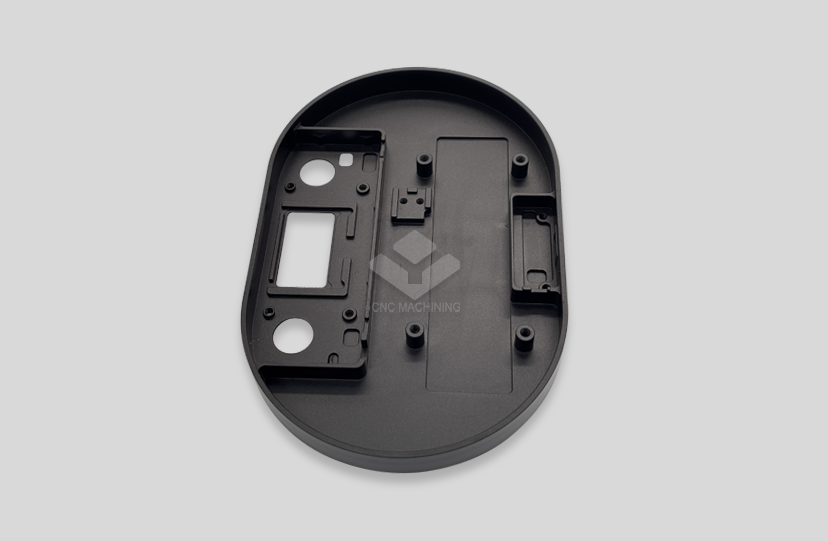
Custom CNC Machining Improves Product Development
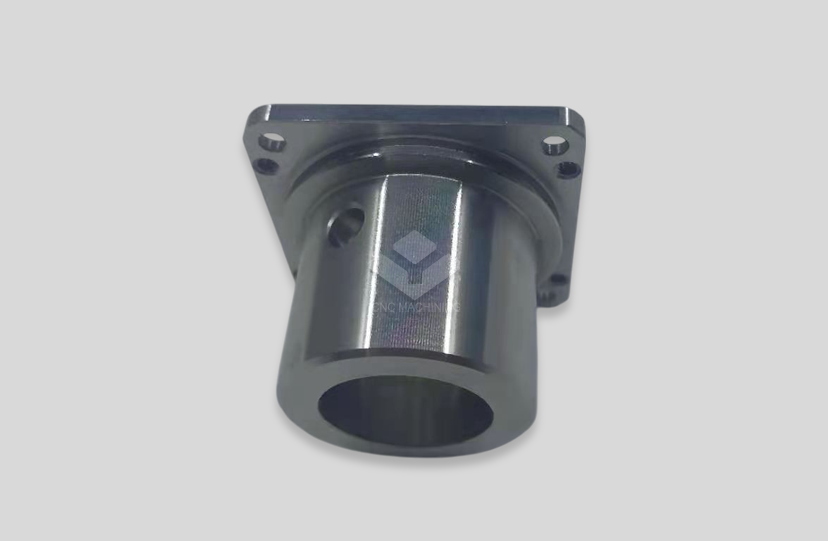
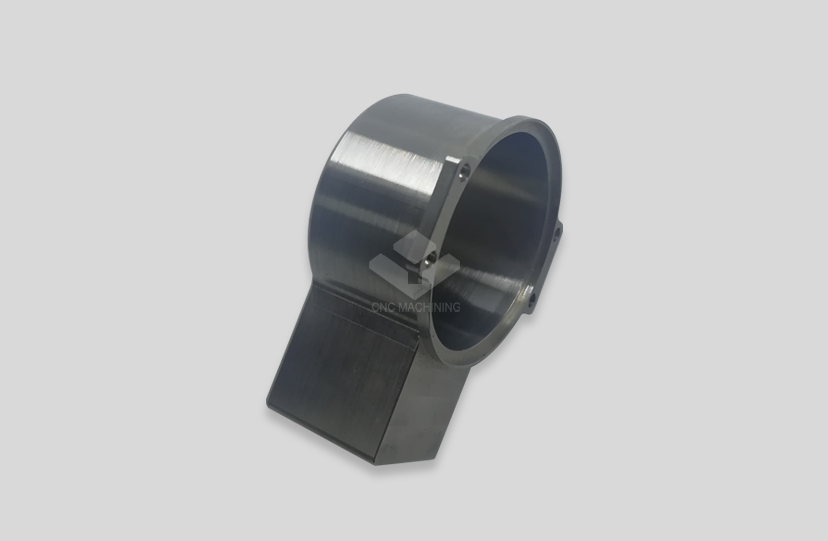
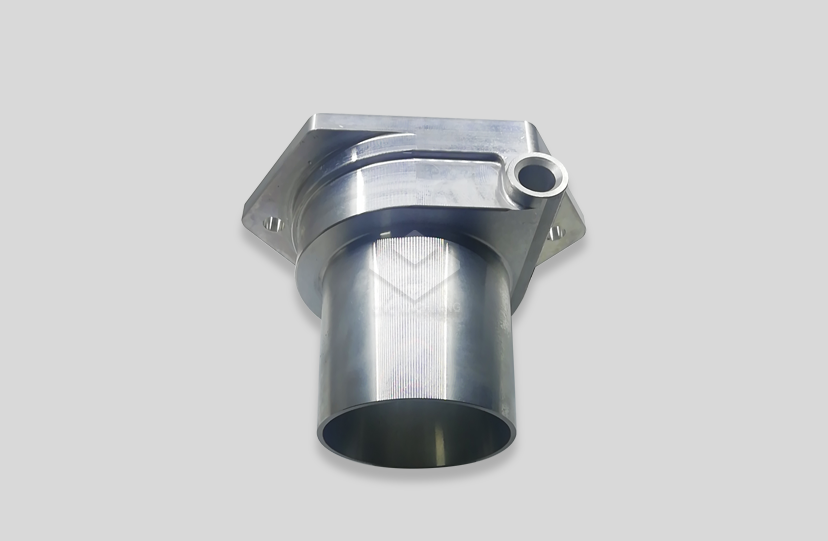
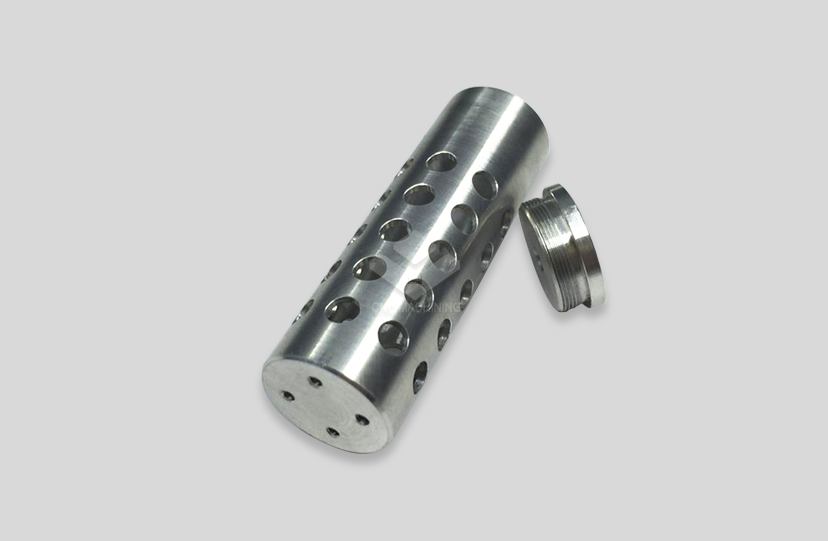
Custom CNC Machining speeds up product development by making precise parts that can be used over and over again and are made from a wide range of materials. Engineers can turn complicated CAD designs into working prototypes and production parts within days with this computer-controlled manufacturing process. This gets rid of the usual bottlenecks. In contrast to traditional methods, precision CNC services allow for quick changes to designs, can handle tight tolerances of up to ±0.001", and can work with metals, plastics, and composites. This method of manufacturing helps procurement teams with time-sensitive projects get products from concept to market-ready while still meeting strict quality standards in the electronics, medical device, automotive, and aerospace industries.
Understanding Custom CNC Machining and Its Role in Product Development
Modern product development needs manufacturing partners who understand both precise engineering and the need to get the job done quickly. Computer numerical control technology has completely changed how companies make parts, especially when they have to meet strict requirements and tight deadlines.
How Computer-Controlled Manufacturing Creates Complex Components
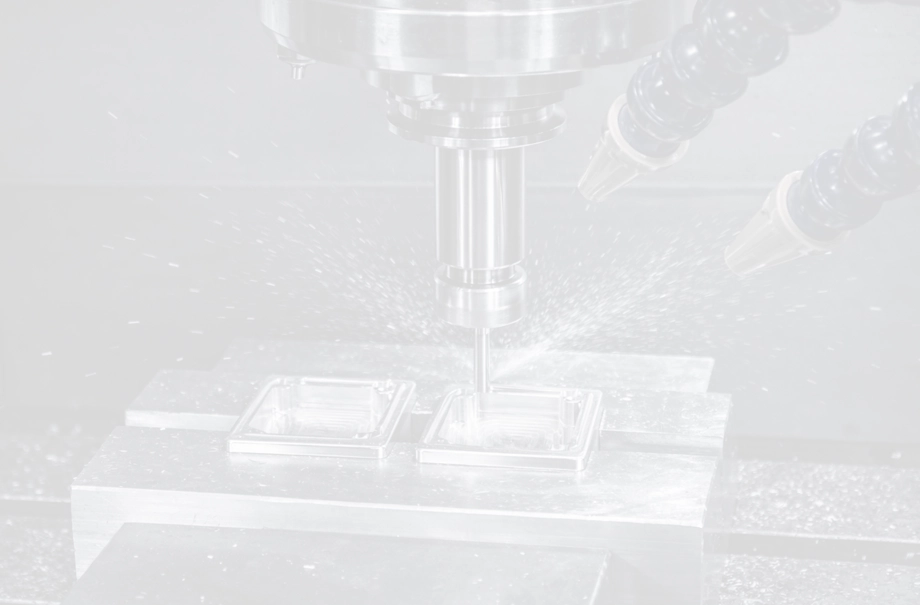
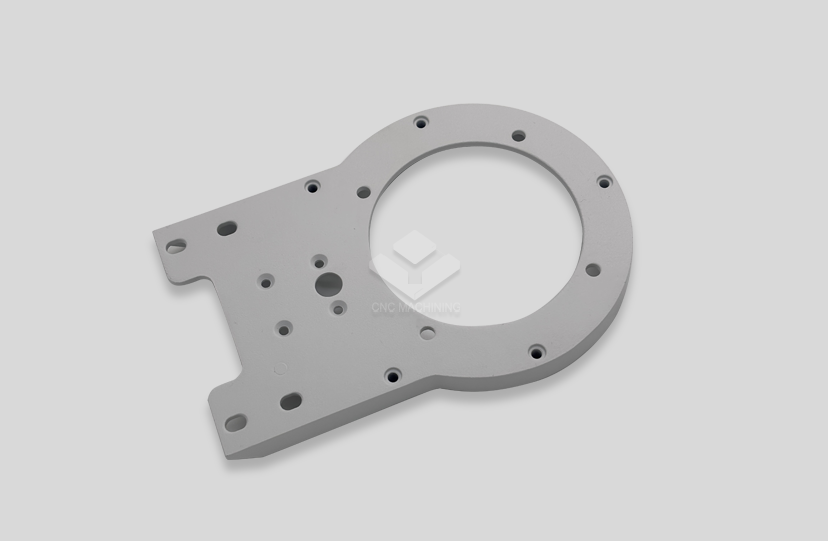
For micron-level accuracy, CNC machining uses digital instructions to guide cutting tools. Our engineering team works directly with your CAD files, translating design intent into machine operations across 3-axis, 4-axis, and 5-axis equipment. This direct engineer-to-engineer communication gets rid of the problems that come up with misunderstandings that happen in traditional shops. We handle milling operations for complicated geometries, turning processes for cylinder parts, and EDM for hardened materials that don't want to be cut normally. This process keeps the full mechanical strength of wrought materials, which is a major advantage over additive methods.

Material Selection Drives Performance Outcomes
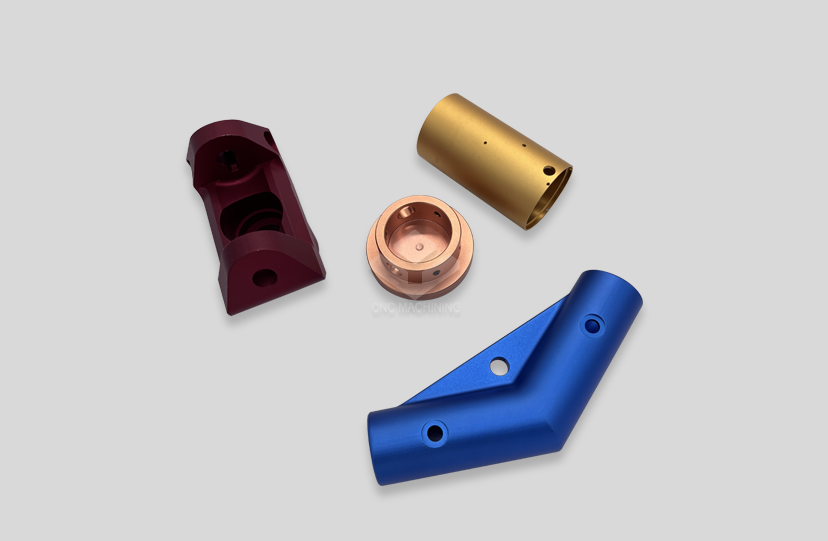
Choosing the right material affects everything from how easy it is to machine to how well the final part works. For example, aluminium alloys like 7075-T6 are strong for their weight and are used to make aerospace actuator housings. Medical-grade titanium Ti6Al4V is used to make sure that surgical instruments are biocompatible. We've also machined PEEK polymers for chemical resistance and copper alloys for thermal management in EV battery systems. Our procurement team keeps FDA-compliant material certifications and includes material test reports with every shipment. This is important when your quality assurance team needs written proof of the material's composition and mechanical properties.
Tolerance Control Meets Industry-Specific Standards
To get accurate measurements, you need more than just good tools. You also need process knowledge that comes from years of solving problems. For example, we regularly hold tolerances to ISO 2768-f standards, and surface finishes can range from Ra 0.4μm to 3.2μm, depending on the needs of the application. Before parts leave the facility, our coordinate measuring machines check that they meet the geometric dimensioning and tolerancing specifications. This inspection protocol finds deviations early.
Why Custom CNC Machining Improves Product Development Efficiency
Competitive product development means making things quickly without sacrificing quality. Traditional manufacturing slows things down with tooling lead times, minimum order quantities, and limited design freedom. Precision machining gets rid of these problems.
Rapid Prototyping Accelerates Design Validation
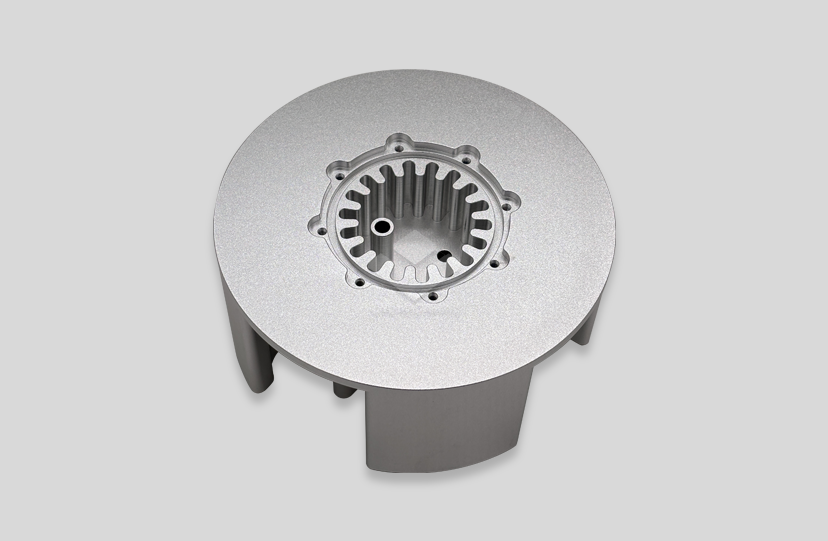
Product managers are always under pressure to shorten development cycles, and Custom CNC Machining provides a flexible solution for fast product iteration. We usually deliver prototype samples within a week, while simpler geometries can be completed in as little as three days. This rapid Custom CNC Machining turnaround allows mechanical engineers to test shape, fit, and function before committing to expensive production tooling. For example, one robotics manufacturer we worked with required custom aluminum brackets with internal cooling channels—components that could not be injection molded without extremely high tooling costs. Through advanced CNC prototyping, precision machining, and Custom CNC Machining capabilities, we delivered functional prototypes in five days, giving their R&D team enough time to verify thermal performance and complete two rounds of design improvements before an investor presentation.
Low-Volume Production Supports Market Testing
Not every new product needs 10,000-unit production runs. For example, many of our clients in the medical device and industrial automation sectors only need 50 to 500 units for pilot programs, clinical trials, or other specialised uses. Our manufacturing method works well at these volume ranges without the fixed costs that come with injection moulds or stamping dies. This is helpful when your purchasing manager has to weigh the risk of running out of stock against the reliability of the supply chain.
Design Iteration Happens Without Penalty
Engineers find interference problems while putting the product together, and quality teams find better performance after testing it in the field. Unlike moulded parts, which need new tools for every revision, CNC manufacturing can handle design changes by simply updating the machining program. We've helped clients through six design iterations in a single project, keeping quality high while meeting tight launch deadlines. This flexibility lowers the usual costs and delays that come with engineering changes.
How to Procure Custom CNC Machining Services Effectively
Choosing the right factory partner has a direct effect on how well the project turns out. There are differences between shops that cause problems and shops that are solid in terms of their skills and service.

Evaluating Technical Competence and Certifications
To do quality machining, you need both good tools and good process control. Your buying team should check that suppliers have at least ISO 9001 approval, with AS9100 for aerospace projects and IATF 16949 for car use. Along with these certificates, we keep written methods for tracking materials, keeping an eye on the process, and taking corrective action. Ask for sample inspection records that include CMM data, measures of surface roughness, and certifications of the materials. Suppliers who can't make these papers don't have the quality systems that your QA team needs.
Communication Structure Impacts Project Outcomes
Many machine shops that provide Custom CNC Machining services send complex technical questions through sales representatives who may not have engineering expertise. This can create communication gaps, leading to misunderstandings, production delays, and avoidable mistakes. Our approach connects your design engineers directly with our machining engineers to support Custom CNC Machining projects through DFM analysis, material recommendations, tolerance optimization, and manufacturing process improvements. This direct technical collaboration takes place before quote approval, preventing manufacturability issues from appearing after an order has been placed. We have helped save many projects from failure because previous suppliers produced parts exactly according to drawings, even when those drawings contained design errors that were never identified. Through advanced machining knowledge, precision manufacturing capabilities, and proactive engineering support, our Custom CNC Machining solutions help customers achieve reliable, cost-effective, and production-ready components.
Lead Time Commitments and Expedited Services
Project managers need delivery schedules that are based on reality, not unrealistic goals. We give clear wait times that depend on how busy the shop is right now and how complicated the part is. Depending on what needs to be done, standard production takes between 7 and 14 days. For samples that need to be made quickly, our fast service moves your project quickly through the shop floor. One business that makes medical instruments had to get new parts because a failure in the field put their clinical trial plan at risk. We sent them parts that were up to code in 72 hours, which kept their study on track. To be responsive, shops need to keep capacity gaps and open schedules, which many don't have.
Quality Assurance and Risk Mitigation
Manufacturing flaws lead to a chain reaction of problems, including delays in assembly, high costs for repairs, and unhappy customers. As part of our quality procedure, we inspect the first piece, check the progress while it's being made, and use precise measuring tools for the final check of the dimensions. There is a certificate of conformance and material test reports that can be linked to mill certifications in every shipment. If there are quality problems within 30 days of delivery, we promise to make new parts within a week and pay for the shipping. This guarantee shows that you trust our processes and keeps your project on schedule.
Future Outlook: Custom CNC Machining Trends Shaping Product Development
Manufacturing technology keeps getting better, which opens up new opportunities for businesses that keep up with new tools and techniques.
Automation and Process Optimization
IoT-connected machines can now see when tools are wearing out, guess when they will need maintenance, and change the cutting parameters in real time. These smart manufacturing systems cut down on mistakes made by people and make sure that each batch of products is the same. We are using AI to optimise the toolpath, which cuts cycle times by 15–30% for complicated geometries. For buying managers, this means lower prices per piece and more reliable delivery times, all without lowering quality standards.
Sustainability in Precision Manufacturing
Environmental duty is becoming more and more important in purchasing decisions. Instead of chemical waste, CNC machining makes metal chips that can be recycled. Also, modern machines use 40% less energy than those from ten years ago. We are adding biodegradable engineering plastics and recycled aluminium alloys that meet all mechanical requirements to our list of products. These choices for sustainable materials help your business meet its environmental goals while still giving your goods the performance they need.
Conclusion
The success of product development depends on having manufacturing partners who can deliver accuracy, speed, and reliable communication through Custom CNC Machining solutions. Precision CNC machining eliminates problems such as long tooling lead times and rigid minimum order requirements while maintaining the dimensional accuracy needed for functional components. By focusing on engineering support, Custom CNC Machining ensures that your designs are manufacturable before entering production, reducing the number of costly revisions and production delays. We help accelerate time to market without compromising quality by providing rapid prototypes, precision components, and quick turnaround services that can be completed within one week while enabling direct collaboration between engineers. Companies in the electronics, medical device, aerospace, and automotive industries rely on Custom CNC Machining for advanced prototyping, low-volume production, complex geometries, and market-ready manufacturing solutions.
FAQ
What tolerances can CNC machining realistically achieve?
Standard CNC operations reliably hold tolerances of ±0.005". With tight process control and special tools, we regularly reach ±0.001" on important dimensions. ISO 2768-f sets the rules for geometric tolerances for flatness, perpendicularity, and position. The allowable tolerance varies depending on the properties of the material, the shape of the part, and the size of the features. Before giving you a quote, our engineers look over your plans to make sure it's possible.
How do material choices affect machining cost and lead time?
Standard tools can easily cut and shape common materials like aluminium 6061, steel 1018, and acetal plastic. When cutting exotic alloys like Inconel or titanium, you need special cutting tools, slower feeds, and more tool changes. This makes the process more expensive and takes 40 to 100 percent longer. During the design review, our engineering team suggests material choices when there are good alternatives that meet performance standards and cost less.
Can you handle both prototypes and production volumes?
Our model for making things can be used for projects ranging from making a single sample to making over 10,000 units. We keep up-to-date equipment and supplier relationships that can grow with your needs. A lot of clients start with 5–10 prototype units, then move on to 100–500 unit pilot production, and finally set up blanket orders to make sure they always have what they need. With this prototype-to-production method, you don't have to re-qualify suppliers as your orders increase.
Partner with RYH for Engineering-Driven Custom CNC Machining Solutions
RYH gives you precision-machined parts and direct engineering help that changes the way you create products. Our team has an average of more than 15 years of experience in cutting. They can help with useful DFM feedback, material selection, and optimising tolerances at the start of a project. We are experts at making things that are exactly how you want them from your plans. We can work with complex geometries in metals and industrial plastics with ISO 2768-f tolerances. Samples of prototypes are sent out within a week, or three days for easier parts, so your development plan stays on track. Since 2008, we've been a trusted Custom CNC Machining provider. We keep our material certifications up to date to make sure they are FDA-compliant, arrange door-to-door shipping around the world, and guarantee quality by remanufacturing any problems within one week. Get in touch with bill@bldmachining.com to talk about how our engineering-driven approach can speed up your next project while still meeting the needs of your application for precision.
References
1. Kalpakjian, S. and Schmid, S. (2014). Manufacturing Engineering and Technology (7th Edition). Pearson Education.
2. Groover, M.P. (2020). Fundamentals of Modern Manufacturing: Materials, Processes, and Systems (7th Edition). John Wiley & Sons.
3. Society of Manufacturing Engineers (2016). CNC Machining Handbook: Building, Programming, and Implementation. SME Technical Publications.
4. Boothroyd, G., Dewhurst, P., and Knight, W.A. (2011). Product Design for Manufacture and Assembly (3rd Edition). CRC Press.
5. Curtis, M.A. (2019). CNC Machining and Advanced Manufacturing Technologies for the Medical Device Industry. Medical Device & Diagnostic Industry Journal.
6. American Society for Quality (2018). Quality Standards and Certification Requirements for Precision Manufacturing. ASQ Quality Press.