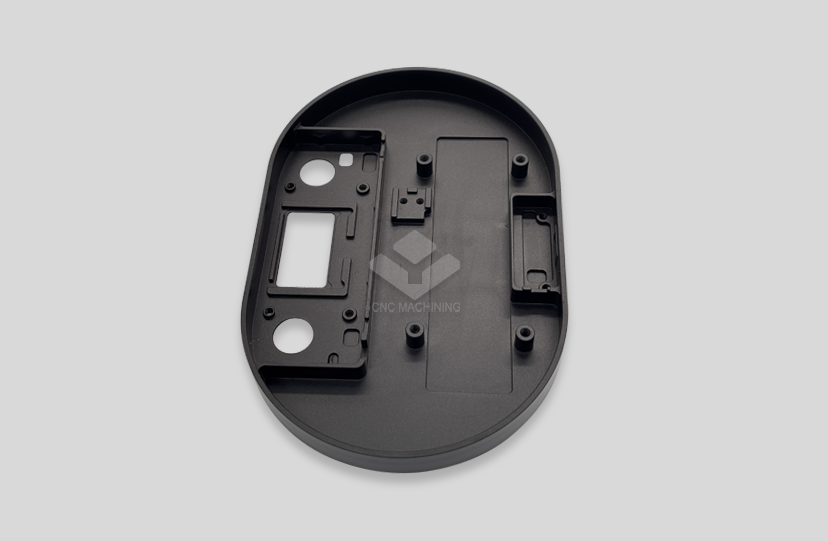
CNC Machining Services - Custom CNC Parts Manufacturer
When your project needs precise parts that are made to exact specs, working with a dependable Custom CNC Machining parts manufacturer is essential to your success. Custom CNC Machining is a way to make metal and plastic parts precisely using a computer. It is used in many fields, from aerospace to medical devices, where exact measurements, material integrity, and complex designs must be maintained. Whether you're an R&D engineer developing a new product or a buying manager setting up mass production, knowing how Custom CNC Machining turns raw materials into mission-critical parts will help you make better decisions about where to buy things. This guide explains the basics of Custom CNC Machining services, how they're better than older methods, what applications they can be used for, how to choose a supplier, and the best ways to buy things. This will help you find manufacturing partners who are more like engineering allies than just transactional vendors.
Understanding Custom CNC Machining: What It Is and How It Works
Computer numerical control systems direct cutting tools to take material from workpieces with micron-level accuracy in Custom CNC Machining, which is an example of automated subtractive manufacturing. Custom CNC Machining makes parts that are exactly what you want them to be, based on your drawings and how they need to work.

The Difference Between Standard and Custom Machining
Standard machining usually makes general parts with wider tolerances and little difference in shape. Custom CNC Machining, on the other hand, uses your CAD models to make one-of-a-kind parts with complicated shapes, tight tolerances (down to ±0.005mm), and material choices that are right for the job. This difference is very important when your assembly requires parts that fit perfectly with custom designs or that can handle special operating stresses.
Workflow from Design to Finished Component
When you send your machining partner technical drawings or 3D CAD files, the manufacturing process starts. Engineers look over designs to make sure they can be made. They look for problems like thin walls or hard-to-reach parts that could lower quality or raise costs. Once everything is perfect, coders make G-code files that tell CNC mills, lathes, or multi-axis tools exactly how to cut. Skilled machinists choose the right fixtures and tools and then watch over automated production cycles. After being machined, parts are deburred, given a surface treatment like anodising or electroplating, and their sizes are checked with a computerized measuring machine (CMM). The organized process makes sure that the same thing can be done over and over again for both prototypes and full production runs.
Materials That Meet Industry Demands
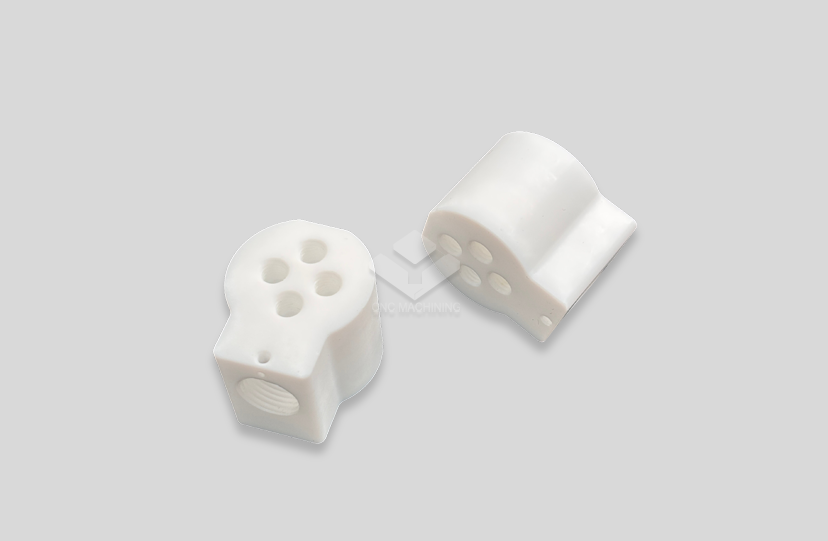
Custom CNC Machining can work with a wide range of materials, such as aluminum metals (6061 and 7075), stainless steel grades (304 and 316), brass, titanium, and industrial plastics such as PEEK, Delrin, and nylon. The choice of material varies depending on the needs of the application. For example, medical tools often need biocompatible stainless steel, while aerospace parts need lightweight titanium for its high strength-to-weight ratio. We work with both metal and non-metal substrates and provide material certifications and compliance paperwork for businesses that need to be able to track their products.
Why Choose Custom CNC Machining Over Traditional Manufacturing Methods?
Modern Custom CNC Machining technology gets around the problems that traditional ways of making things have by automating, being flexible, and using precise engineering.
Limitations of Conventional Techniques
Manual machining depends a lot on the skill of the person doing it, which can lead to uneven standards and slower output. Moulds and tools for casting are very expensive, which means that low-volume production is not possible. These old ways have trouble with design changes because each one needs new setups or mould tweaks, which adds time to the process and costs more money. Traditional methods slow down the launch of new products when samples need to be tested quickly or when small amounts of complicated parts need to be made.
CNC Versus Injection Molding and Additive Manufacturing
Injection moulding is best for making a lot of things at once, but you have to spend a lot of money on moulds up front, which means it can't be used for sales below a few thousand units. 3D printing is good for making prototypes quickly, but the parts it makes don't always have the mechanical strength and smooth surface finish that are needed for real-world use. Custom CNC Machining fills in this gap by making production-grade parts from real engineering materials without having to pay for expensive tools. Many of our customers use Custom CNC Machining for test runs of 10 to 500 units to make sure their designs work before they invest in moulding. Custom CNC Machining can make tolerances that are much tighter than what most 3D printing technologies can safely achieve, often ±0.01mm or less.
Measurable Improvements in Project Outcomes
When engineering teams move to Custom CNC Machining, they report big gains. By working with a responsive Custom CNC Machining supplier, a company that makes electronics for cars, cut the time it took to make a prototype from four weeks to five days. This sped up the process of validating their product. A medical device startup avoided a costly design flaw when engineers from their machining partner found a possible weak spot during DFM review. This saved the startup time and money by preventing wasteful waste of materials. These cases from real life show how precision machining directly leads to shorter time-to-market, lower failure rates, and lower overall project costs.
Types of Custom CNC Machining Services and Their Applications
For different part shapes and production needs, different Custom CNC Machining processes are best. Knowing these features helps you choose services that fit the needs of your project.
Core Machining Operations
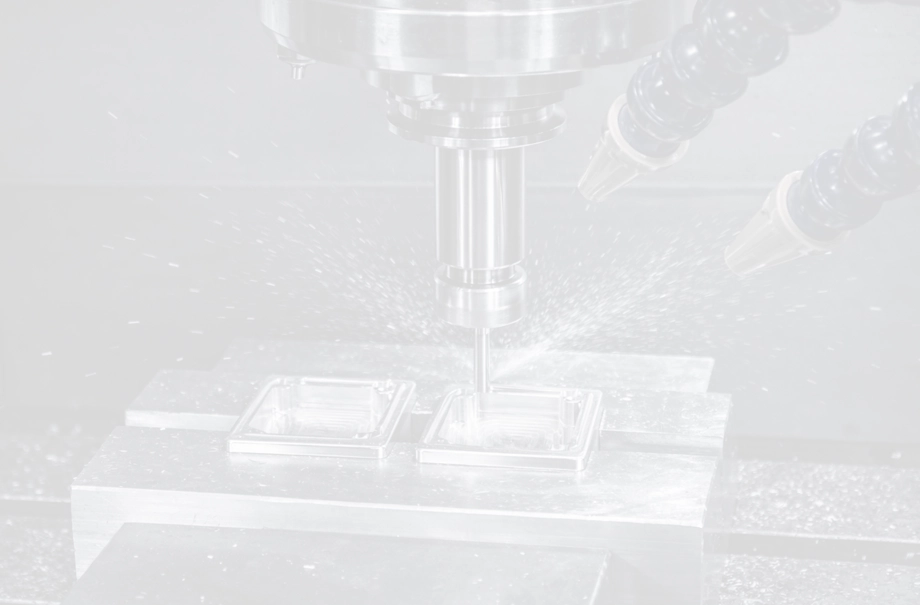
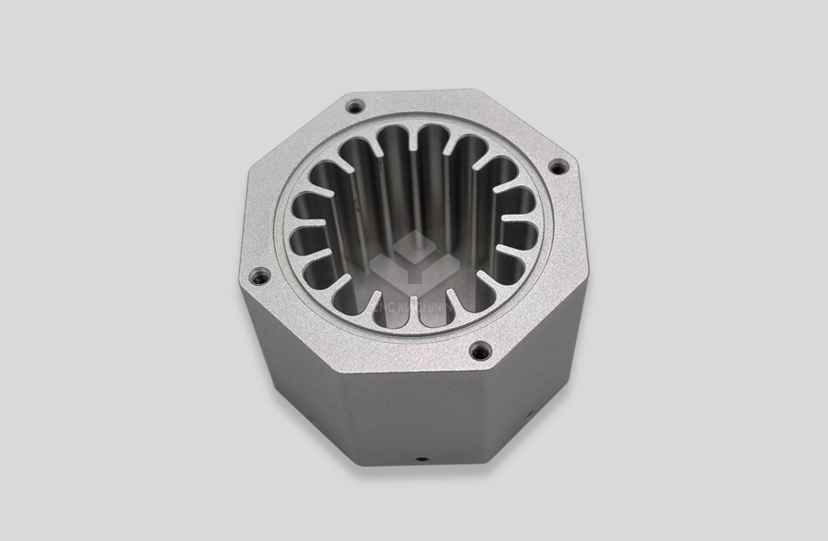
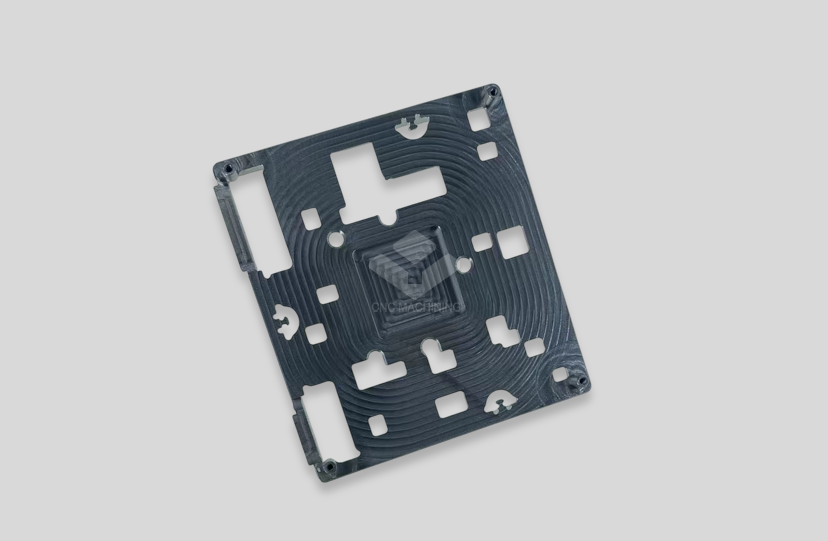
CNC Milling removes material from fixed workpieces using spinning multi-edge cutters. This is a great way to make flat surfaces, pockets, slots, and complex 3D shapes. Multi-axis milling (4- and 5-axis) lets you make undercuts and compound angles without moving parts around. This cuts down on setup time and improves accuracy.
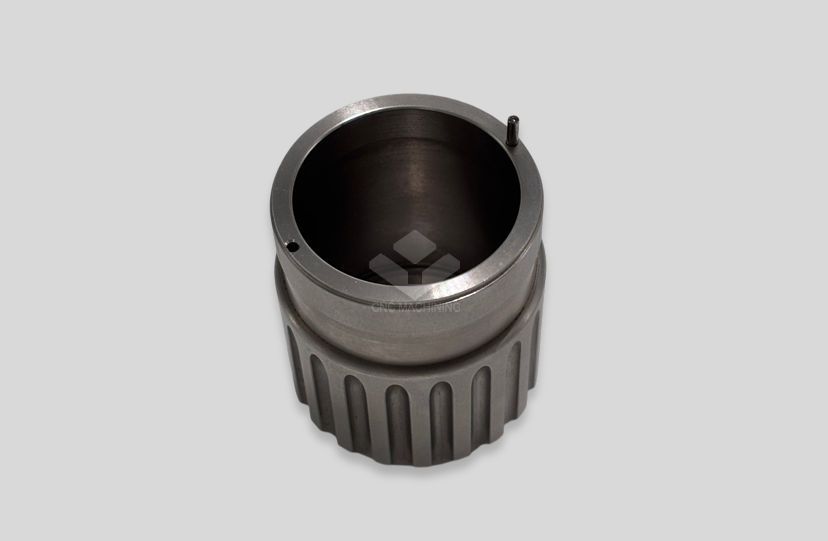
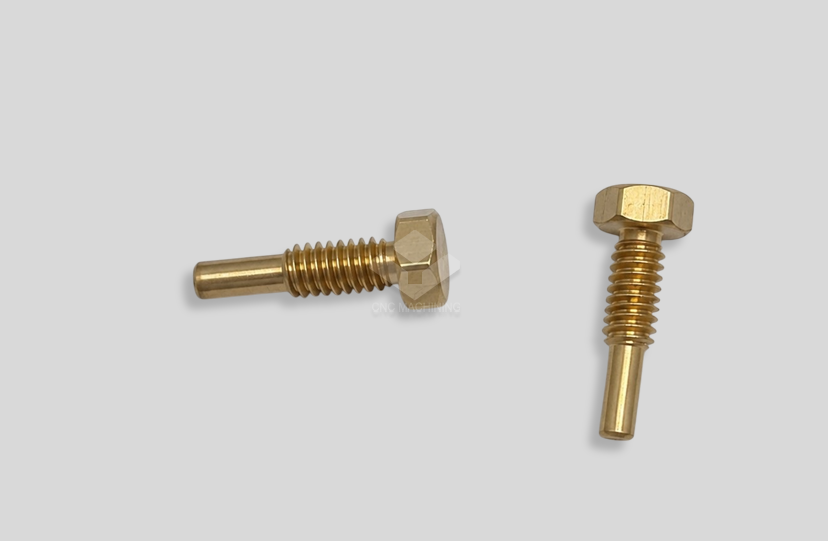
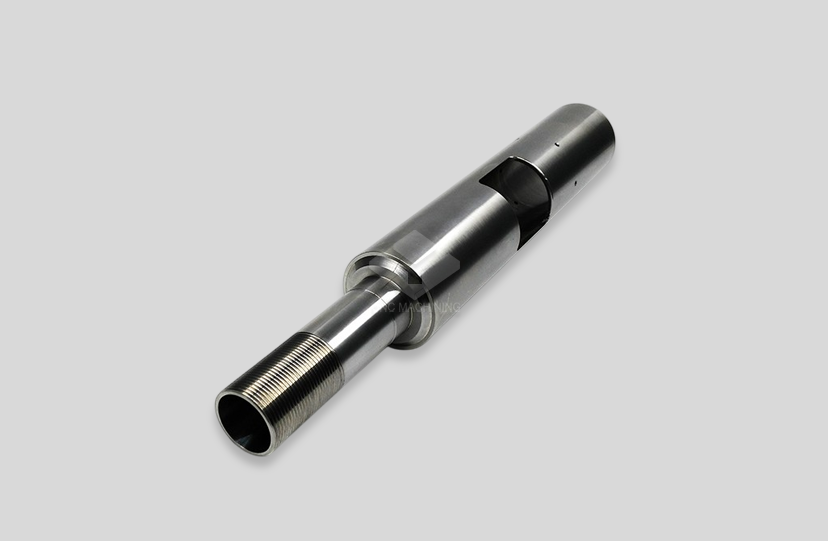
CNC Turning rotates the workpiece while a stationary tool shapes cylindrical parts like shafts, bushings, and threaded parts. Off-axis holes and cross-drilling can be done in the same setting when live gear is used with turning centers.
Drilling and Tapping make precise holes and internal threads for fasteners and fluid paths. This is very important for systems where parts need to be lined up exactly the same.

Specialized Services for Diverse Needs
Rapid prototyping services cut the time it takes to make a sample down to three to seven days, so you can make changes to your design over and over again without having to wait a long time. Contract manufacturing gives ongoing projects specific capacity, which ensures that they are scheduled first and that the standard is always the same. Low-volume production runs, which range from 10 to 1,000 units, let you test the market, make special orders, and get new parts without having to meet a minimum order quantity. We also work on complicated systems that need more than one material or parts that are built together, organizing the steps needed to make modules that are ready to be installed.
Industry-Specific Applications
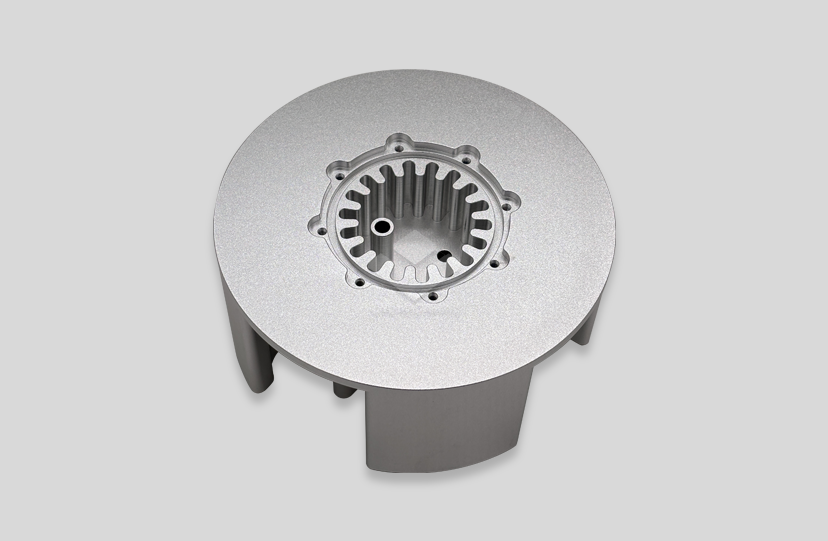
Custom CNC Machining is used by aerospace companies to make structural brackets, UAV frames, and RF connectors that need to be AS9100-certified. When automotive suppliers make gearbox housings, battery enclosures, and sensor mounts, the accuracy of the dimensions has a direct effect on how well the vehicle works. For surgical tools and diagnostic equipment housings, medical device companies depend on materials that are FDA-approved and on strict checking procedures. Electronics companies set very strict standards for heat sinks, enclosures, and precise fittings that are used to make semiconductors. Each industry has its own set of rules about regulations, materials, and performance, which experienced Custom CNC Machining partners can easily follow.
Design Optimization for Manufacturability
Making smart design choices cuts costs and makes things better. Custom CNC Machining costs are kept to a minimum by specifying standard tool sizes. Adding large curves to internal corners keeps stress from building up and makes the tool last longer. Adding self-fixturing features like reference flats to designs makes holding work easier and maintains accuracy. Combining several parts into a single part gets rid of the need for assembly steps and the chance of making alignment mistakes. During initial consultations, our engineers look over your drawings to find ways to make them more efficient while still meeting functional needs.
Comparing Custom CNC Machining Service Providers: How to Choose the Right Manufacturer
When choosing a Custom CNC Machining partner, you should look at their technical skills, quality systems, and operational dependability to lower the risks in your supply chain.
Quality Certifications and Technical Expertise
ISO 9001 certification shows that you are dedicated to quality management systems, and AS9100 certification shows that you have rules that are designed for aircraft. Suppliers of medical devices should be certified by ISO 13485. Check the provider's material knowledge as well as their certifications. For example, can they get specialty alloys or engineering plastics that can be tracked? Do they keep in touch with providers of approved materials? Our nine years in business and engineering team, with an average of over 15 years of technical experience, give us the depth to handle difficult projects with unusual materials or complicated shapes.

Lead Time Performance and Communication
Response time is what sets proactive partners apart from transactional providers. We give quotes within 24 hours and make samples within a week, but in some cases, it can be as fast as three days for simpler shapes. Miscommunication that leads to extra work and delays can be avoided by talking directly between engineers. When problems develop, being able to talk to expert staff right away who understand your needs keeps small issues from turning into problems that stop the whole project. Communication quality is always ranked as the most important factor in how happy suppliers are with their work by procurement managers.
Cost Structure Transparency
The cost of materials, the size of the batch, and the number of finishing steps needed all affect the price. Five-axis cut parts that need special surface treatments are more expensive than simple turned parts made from common materials. Knowing these factors helps you guess how much things will cost during the planning stages. Rather than giving vague lump-sum numbers, reputable suppliers give detailed quotes that break down the costs of Custom CNC Machining time, materials, and finishing. This openness lets people make smart choices about how to balance design features with price limits.
Reliability and Risk Management
Supplier reliability includes delivery on time, consistent sizes, and quick problem resolution. Ask people in the same line of work for recommendations and ask them about their experiences with quality problems and how they were fixed. We stand behind the quality of our work with a quality promise. If you report a broken part within the same month, we'll fix it right away, usually within a week, and pay for the shipping. This promise lowers your risk when you try out new sources or start important projects.
Procuring Custom CNC Machining Services: From Quotes to Delivery
Efficient procurement workflows make it easier to carry out projects while keeping costs and quality under control.
Submitting Specifications for Accurate Quotes
Give full technical drawings in common file types (STEP, IGES, PDF), showing any required tolerances for size, material details, surface finish requirements (Ra values), and any special treatments, like heat treating or anodizing. Clear documentation stops misunderstandings and lets you give accurate Custom CNC Machining quotes. Include the expected amounts for both the first samples and the total amount that could be produced so that suppliers can give you prices that are right for the volume. The faster you get quotes that you can use, the more information you give up front.
Order Management Best Practices
Set up clear lines of communication and assign a project contact person who knows what you need. Before production starts, agree on what kinds of inspections will be done and what kinds of paperwork will be needed. For example, do you need first article inspection reports, material certificates, or dimensional reports? For projects that are still going on, it's best to negotiate framework agreements that lock in prices and lead times for set amounts of time. This makes it easier to place repeat orders. To find the right mix between inventory prices and bulk discounts, you can place orders in groups. When plans change, let everyone know right away with marked-up models that show the changes so that parts aren't made that are out of date.
Rapid and Affordable Solutions for Time-Sensitive Projects
When project deadlines get tight, talk about faster options when you're getting quotes. Many suppliers offer rush services for extra fees, which puts your job at the top of the production schedule. Design simplicity, which means getting rid of tight standards or complicated features that aren't needed, can sometimes speed up delivery and lower costs without affecting function. We have the ability to respond quickly to urgent requests by using the skills we've gained over years of working on a wide range of projects.
Partnership Benefits for Long-Term Success
When you think of your suppliers as business partners instead of just as vendors, you get more and more advantages. Partners who care about your success will suggest ways to make things better, keep the institution up to date on your ideas and tastes, and give your orders priority when capacity is limited. They work as an extension of your engineering team and bring manufacturing-specific insights that improve the quality and efficiency of your products. This way of working together is especially helpful for companies and R&D teams that are moving from samples to mass production.
Conclusion
Choosing the right Custom CNC Machining partner has a big effect on how long it takes to develop your product, how much it costs to make, and the quality of the parts you make. The best partnerships have engineering help, quick responses, accurate Custom CNC Machining, and quality assurance systems that meet the standards of your business. Procurement managers and design engineers set up projects for success from the first prototypes to full-scale production by learning about Custom CNC Machining workflows, carefully comparing service options, and making procurement processes clear.
FAQ
What materials work best for different CNC machining applications?
For general industrial parts, aluminum metals like 6061 strike a good mix between being easy to machine, strong, and resistant to corrosion. 316 stainless steel is good for medical and food-contact uses that need to be biocompatible and clean. Engineering plastics like PEEK and Delrin are very good at keeping their shape, which is important for precision mechanisms in electronics. The type of material you choose will depend on the mechanical loads, working temperatures, chemical exposure, and government rules that are specific to your application.
How does the price of Custom CNC Machining compare to other manufacturing methods?
When making less than 1,000 units, Custom CNC Machining is cheaper than injection moulding because you don't have to buy as many tools. Custom CNC Machining produces better mechanical qualities and surface finishes from production-grade materials than 3D printing, which is why it costs a little more per part. The total cost includes how fast the prototype is made, how much material is wasted, and how consistent the quality is. In these areas, Custom CNC Machining often offers better overall value.
Can Custom CNC Machining handle small orders and shapes that are hard to understand?
Custom CNC Machining machines can easily make complicated shapes with undercuts, compound angles, and internal features that are hard for other methods to handle. We are experts at making small batches of 10 to 500 units, which gives startups and R&D teams the freedom they need without having to meet unrealistic minimum order amounts that put a strain on their budgets.
Partner with RYH for Precision Custom CNC Machining Solutions
RYH can do the most difficult Custom CNC Machining jobs with precision that is based on engineering. Our team offers direct technical contact, looks over your plans to make sure they can be made easily, and suggests materials that are both effective and cost-effective. Our Custom CNC Machining services help companies in many fields, from medical devices to aircraft, make samples quickly and deliver them within days. We can also make regular production runs that keep tight tolerances. As a Custom CNC Machining supplier that has been around since 2008, we offer FDA-compliant materials, full inspection records, and reliable shipping around the world for orders of any size. Get in touch with bill@bldmachining.com right away to talk about your project needs and see what a difference a real manufacturing partnership can make.
References
1. Brown, Michael T. (2021). Precision Machining Technology: Fundamentals and Applications. Industrial Press Inc.
2. Chen, David, and Richardson, Laura (2020). "Computer Numerical Control Systems in Modern Manufacturing," Journal of Manufacturing Science and Engineering, Vol. 142, No. 8.
3. Johnson, Rebecca K. (2022). The Procurement Professional's Guide to Custom Manufacturing Services. Wiley Publishing.
4. Martinez, Carlos A. (2019). "Material Selection Strategies for CNC Machined Components in Regulated Industries," Materials & Design, Vol. 176, Article 107845.
5. Thompson, Richard P. and Walsh, Catherine M. (2023). Advanced CNC Machining: Multi-Axis Techniques and Quality Control. McGraw-Hill Education.
6. United States Department of Commerce, National Institute of Standards and Technology (2020). Dimensional Metrology Standards for Precision Manufacturing. NIST Special Publication 1800-series.