BLOG List
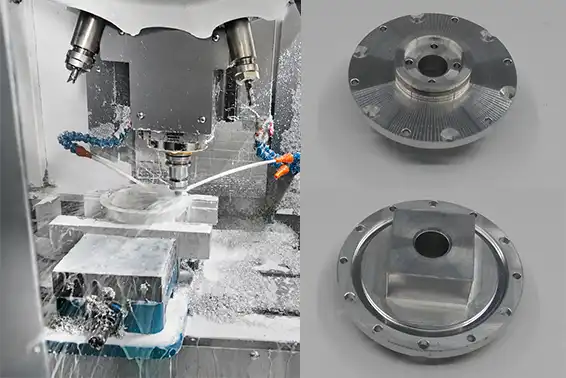
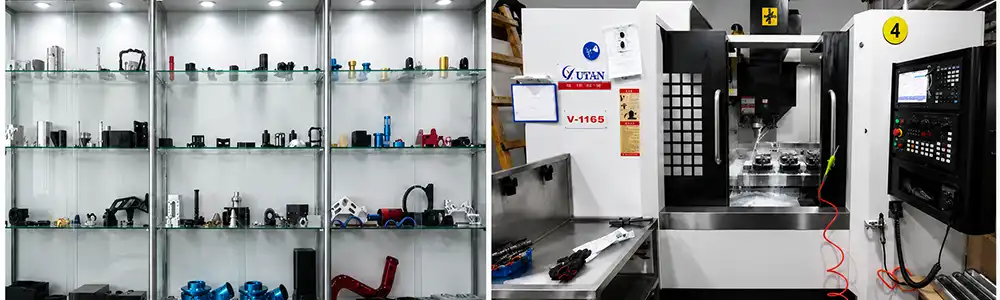
Precision CNC Machining can get tolerances as small as ±0.005mm (±0.0002 inches), which is much better than traditional ways of making things like casting or manual machining. By automating tool movements, this computer-controlled process eliminates human error and ensures consistent accuracy in dimensions across prototypes and production runs. In contrast to additive methods like 3D printing, which can achieve ±0.1mm tolerances, Precision CNC Machining removes material in a planned way, making parts with better surface finishes (Ra 0.4μm to 3.2μm) and structural integrity. Aerospace, medical devices, and the automotive industry depend on this technology because it constantly maintains dimensional stability and geometric dimensioning tolerances that are needed for high-performance applications.
Understanding Precision CNC Machining
We've seen how Precision CNC Machining uses multi-axis milling and turning processes at our manufacturing site to turn digital designs into real parts. Engineers start the process by sending CAD files straight to CNC control systems. These systems then turn the geometry into exact instructions for the toolpath. In traditional machining, workers change the cutting settings by hand. But with CNC technology, closed-loop feedback systems constantly check the spindle position and tool wear to keep the accuracy at the micrometer level.
Core Technologies Behind Precision Machining
Modern Precision CNC Machining centers use a number of cutting-edge technologies that work well together. High-speed spindles that spin between 15,000 and 40,000 RPM can make fine details in metals and non-metals. Five-axis simultaneous cutting lets you make complex angular cuts without moving the workpieces. This lowers the chance of setup mistakes and raises the accuracy of the geometry. Our engineers use flood cooling systems to control thermal expansion while cutting. This is very important when working with thin-walled aluminum parts, since changes in temperature of just a few degrees can cause them to move out of shape.
Material Selection and Precision Outcomes
Tolerances and surface quality can be changed directly by the features of the material. We can keep most of our features within ±0.01mm tolerances because aluminum alloys like 6061-T6 are easy to machine, and chip formation is reliable. But aerospace-grade titanium needs special carbide tools and slower cutting speeds to keep it from work hardening, which can make it harder to keep the same dimensions. To keep them from melting at touch points, medical-grade plastics like PEEK need to be machined using very different methods, such as lower temperatures and sharp cutting edges. During design reviews, our technical team suggests materials and explains how choosing the right alloy affects both accuracy and cost-effectiveness based on real-world production constraints rather than theoretical requirements.
Precision CNC Machining vs. Other Manufacturing Methods
People in charge of manufacturing often have a hard time figuring out which method of production, such as Precision CNC Machining, best meets the needs for accuracy while also staying within the budget. To make these differences clearer, we've put together comparison data from thousands of projects in the automotive, medical device, and industrial equipment sectors.
Tolerance Comparison Across Fabrication Techniques
Standard CNC machining usually gets limits of ±0.05mm to ±0.1mm, which is fine for most mechanical systems but not good enough for surfaces that need to fit together without interference. Through temperature-controlled conditions and tool presetting systems, Precision CNC Machining reduces this range to ±0.005mm. Traditional manual machining can be used for one-time fixes, but it rarely stays consistent better than ±0.2mm because each user is different. Precision CNC Machining directly creates final dimensions, while investment casting creates nearly net forms but leaves 0.5mm to 1.5mm stock for later processes.
Material Compatibility and Surface Finish Quality
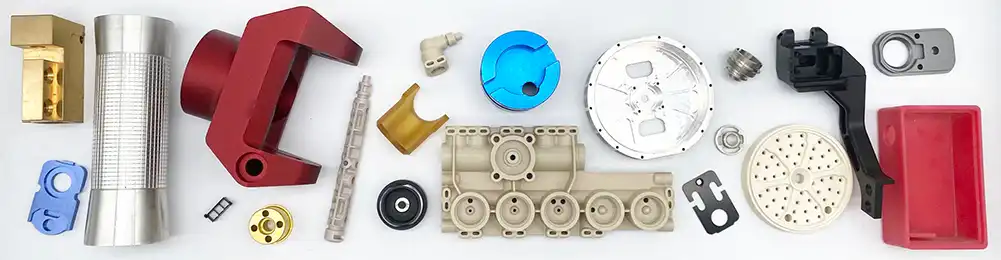
The materials that our plant works with range from soft plastics to tough tool steels, and each one needs a different way of being machined. This variety can be handled well by Precision CNC Machining methods because the cutting factors change automatically based on set instructions. High-strength alloys are hard to work with in casting and forging, and metal matrix compounds are hard to work with in 3D printing. Another important difference is the quality of the surface finish. Precision milling creates Ra 0.8μm surfaces that can be used for dynamic seals without any extra cleaning, but cast surfaces need a lot of work to get to the same level of smoothness.
Cost and Lead Time Implications
Precision CNC Machining prototypes usually take three to seven days at our plant, taking into account the time it takes to set up and machine the parts. It usually takes 72 hours to finish simple parts with standard tolerances, but it can take a week to finish complex systems that need strict checking processes. This time frame is in the middle of two types of development: rapid prototyping methods like FDM printing (24–48 hours, but less accurate) and tooling-dependent methods like injection molding (4–8 weeks for mold fabrication before first shots). The number of units made has a big effect on the unit costs. For example, Precision CNC Machining is still the most cost-effective way to make things for batches under 500 units. After that, molding or pressing becomes more cost-effective, even though they require more expensive tools.
Why Precision Matters: Benefits of Precision CNC Machining for B2B Clients
As we've worked with engineering teams in a variety of fields, including Precision CNC Machining, over the years, we've seen how accuracy directly affects how well a product works and how much it costs to make. Tight tolerances aren't just hypothetical requirements; they decide how well parts work when they're put under real-world stress.
Critical Tolerance Applications in Aerospace and Medical
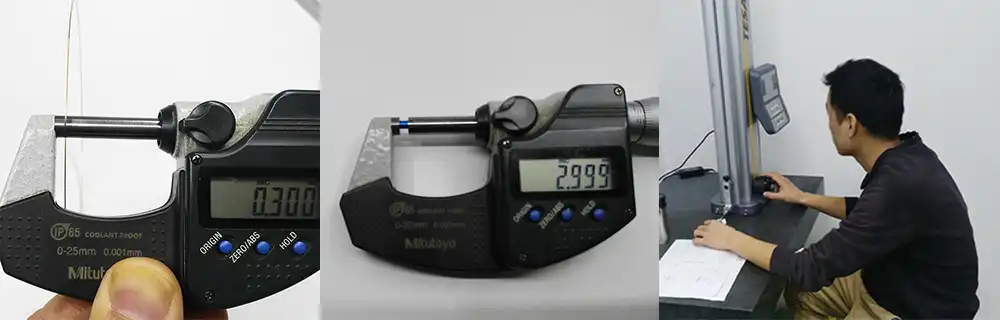
For aerospace parts, like engine housings, to be able to handle huge differences in pressure without breaking, the wall width must be precisely uniform. A difference of only 0.02mm in wall thickness can cause stress concentration spots that can cause the wall to fail catastrophically at high altitude. Medical surgery instruments need to be just as precise. Endoscopic tools with tolerance variations of ±0.01mm affect the clinician's tactile feedback during treatments, which could lead to worse results for patients. As part of our quality control procedures, we use a coordinate measuring machine (CMM) to check every important measurement, and full inspection records show that we're following GD&T.
Waste Reduction and Cost Efficiency
Precision CNC Machining cuts down on material waste by using efficient toolpaths that make less scrap. Our engineers program nesting techniques that get the most material out of metal plate stock when making battery enclosures for electric vehicles. This cuts the cost of raw materials by 15% to 20% compared to traditional machining methods. Another big benefit is less rework. Parts that are made to specification the first time don't need to be worked on again, which speeds up projects and lowers labor costs. This dependability is especially valuable in fields with tight product launch plans.
Choosing the Right Precision CNC Machining Service Provider
When looking for an industrial partner, you need to look at more than just their equipment lists. Our experience suggests procurement teams should value technical communication quality alongside machining accuracy, as design optimization during quotation stages stops costly changes later.
Essential Evaluation Criteria
Instead of just looking at equipment specs, a technical capability review should look at how well similar materials can be held to tolerances in real life. We keep capability studies that show how the process changes for typical material-tolerance pairs, like stainless steel 316L at ±0.01mm and aluminum 6061-T6 at ±0.008mm. This helps project planners set realistic goals. Industry certifications like ISO 9001 and AS9100 show that quality management systems are well-established. However, talking to an engineer directly often shows problem-solving skills that standards don't show. Our technical team has an average of more than 15 years of experience with Precision CNC Machining. This lets us give you feedback on design for manufacturability, which lowers the risks of production.
Understanding Quote Variables and Lead Times
Precision CNC Machining prices are affected by more than just the cost of the raw materials. Tightening a hole tolerance from ±0.05mm to ±0.01mm can double the time it takes to machine because cutting speeds have to be slowed down, and more checking has to be done. When compared to simple turned parts, parts with complex shapes that need five-axis processes cost more. Specifications for surface treatment, such as Type II anodizing or salt spray testing, add time to the processes and cost of material approval. We offer clear quotes that break down these factors into individual items. This helps purchasing managers understand what causes costs to go up or down and find ways to cut costs without affecting important requirements.
Future Outlook: The Evolution and Trends in Precision CNC Machining
Manufacturing technology keeps getting better and better. For example, Precision CNC Machining now uses digital connections and smart process control. These new developments look like they will make things more accurate and efficient, which will change how supply chains work in businesses that depend on engineering.
AI-Driven Process Optimization
New machine learning methods look at past machining data to figure out what the best cutting settings are for new geometries. This cuts down on programming time and makes the accuracy of the first piece better. Real-time tracking systems find patterns of tool wear that humans can't see. This causes automatic tool changes to happen before dimensional drift happens. Our company has started using predictive maintenance routines to service equipment based on the actual state of each part instead of set times. This cuts down on unexpected downtime that throws off project plans. These technologies work best in low-volume, high-mix production situations like those found in research and development companies that need to switch between products often.
Industry 4.0 Integration
Connected production platforms let procurement teams keep an eye on projects from afar using cloud-based tools that show the state of jobs compared to when they were supposed to be finished. Digital twin models check machining plans online before they are used to cut metal, finding risks of crashes or poor tolerance. As global supply lines need more openness, these kinds of tools give procurement managers a whole new view of how production works, which helps them communicate before problems happen and solve them before they get out of hand.
Conclusion
Precision CNC Machining has the best accuracy and consistency in size and shape compared to other ways of making things. This makes it essential in fields where the dependability of parts directly impacts how well a product works. This technology is the best for aircraft, medical, automotive, and industrial equipment because it can handle tolerances of up to ±0.005mm, produce better surface finishes, and work with a wide range of materials. Costs and wait times depend on how complicated and how many are being made, but for quality-focused engineering teams, the savings in time, money, and wasted materials often make the investment worth it. By choosing a production partner with a track record of technical knowledge and open communication, you can be sure that projects will meet strict requirements and stay on schedule.
FAQ
What tolerances can precision CNC machining realistically achieve?
When high-precision five-axis machining tools are used, Precision CNC Machining always keeps limits of ±0.005mm on important features like holes and mating surfaces. Standard features usually hold ±0.01mm to ±0.02mm, which is a good balance between accuracy and cost-effectiveness. Tighter tolerances can be reached with special sets and longer machining processes, but for non-critical measurements, we suggest ISO 2768-m standards to save money on production costs without sacrificing usefulness.
How does precision CNC machining compare cost-wise to 3D printing for prototypes?
Most of the time, Precision CNC Machining costs more per unit than 3D printing, but it is more accurate, and the materials are better. At first, simple prototypes may cost 20% to 40% more, but the consistent dimensions get rid of fitting problems that need more design changes. Machined parts made from real production materials allow for more accurate testing of performance, while printed parts made from substitute materials might not accurately predict how the final product will behave, which could lead to expensive redesigns during production scaling.
Which industries benefit most from precision CNC machining?
Precision CNC Machining is very important in the aerospace, medical device, electronic equipment, and automotive industries because of strict rules and performance requirements. Tight tolerance control is helpful for any task that involves pressure systems, dynamic seals, or precise parts. Research organizations and companies that make products use rapid prototyping to speed up the process of coming up with new ideas while keeping the accuracy in dimensions needed for functional validation testing.
Partner with RYH for Your Precision CNC Machining Needs
Precision CNC Machining solutions that meet the high standards of global makers and technical leaders have been RYH's specialty for 16 years. Our technical team, which has an average of more than 15 years of hands-on cutting experience, works directly with your engineers to look over sketches, improve designs, and give useful advice on choosing materials and setting tolerances. We know how hard it is for buying managers to meet quality standards while also staying within budget and meeting tight project deadlines.
Our building handles both metal and non-metal materials in full compliance with ISO 9001, AS9100, and FDA material approval standards. We can do fast prototyping in three to seven days or scalable production runs with ±0.005mm tolerances. We help with projects that need special surface processes like salt spray testing, chemical film finishing, and anodizing. As a Precision CNC Machining company that values open communication and flexible execution, we offer door-to-door foreign shipping options and quick remanufacturing support when quality issues appear.
Contact bill@bldmachining.com today to discuss your specific requirements with our engineering team. We'll provide detailed technical assessments and competitive quotations tailored to your industry's unique precision demands.
References
1. Stephenson, David A., and John S. Agapiou. Metal Cutting Theory and Practice. CRC Press, 2016.
2. Kalpakjian, Serope, and Steven R. Schmid. Manufacturing Engineering and Technology. Pearson Education, 2014.
3. Boothroyd, Geoffrey, and Winston A. Knight. Fundamentals of Machining and Machine Tools. CRC Press, 2006.
4. Groover, Mikell P. Fundamentals of Modern Manufacturing: Materials, Processes, and Systems. John Wiley & Sons, 2020.
5. Altintas, Yusuf. Manufacturing Automation: Metal Cutting Mechanics, Machine Tool Vibrations, and CNC Design. Cambridge University Press, 2012.
6. Shaw, Milton C. Metal Cutting Principles. Oxford University Press, 2005.
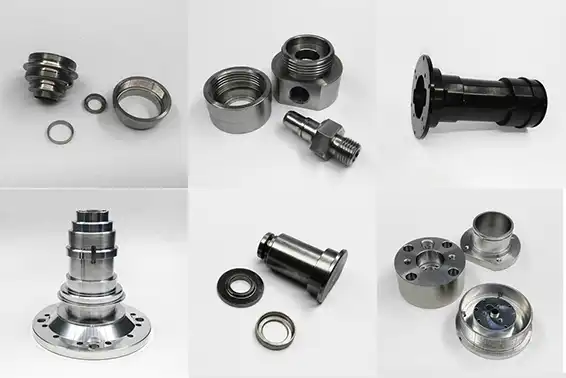
When businesses need parts with complicated shapes and tight tolerances, CNC Machining is the industrial backbone that delivers. By carefully removing material based on digital directions, this computer-controlled subtractive method turns raw metal and plastic stock into precisely sized parts. CNC Machining technology makes sure that every part fits the original CAD design with micron-level accuracy, while hand methods can be inconsistent because people are human. The end result is quality that can be repeated in both small batches and large production runs. When procurement managers and design engineers have to deal with the challenges of making complex parts, they need to know how modern machining centers handle very specific requirements in order to keep costs low and projects on track.
Understanding CNC Machining in Complex Part Production
Modern production relies on equipment that is precisely controlled to make parts that can't be made by hand. CNC Machining technology makes it possible for digital design files to be turned into real parts by moving tools automatically based on directions that have already been programmed.
The Core Principles Behind Precision Machining
Engineers start the process by turning product ideas into code that computers can read. G-code and M-code directions tell the machine exactly how fast to move, how fast to feed, and how to move the tools. Multi-axis machining centers, which can be as simple as 3-axis mills or as complex as 5-axis systems, can carry out these instructions while keeping positioning accuracy at or below ±0.02 mm. Our building has high-tech 3-axis, 4-axis, and 5-axis machining tools that can work with engineering-grade plastics as well as metal parts made of Aluminum 6061 and Stainless Steel 304/316. Before they are inspected, secondary operations like deburring, surface finishing, and cleaning make sure that the parts meet the final functional requirements.
Material Versatility Meets Complex Geometry Requirements
Parts that are very complicated often have undercuts, internal spaces, thin walls, and complex angles that make them hard to make in the usual way. Cutting tools with multi-axis capabilities can approach workpieces from different angles without having to be repositioned. This cuts down on setup time and ensures that all features are precisely aligned. For aerospace housings and car heat sinks, aluminum alloys are very easy to machine. Medical tools and food processing equipment, on the other hand, need stainless steel types that don't rust. Engineering plastics, such as PEEK and Delrin, are used in places where electrical protection or smooth surfaces are needed. The choice of material has a direct effect on the machining factors, the choice of tool, and, in the end, the cost and wait time of production.
Turning Operations for Cylindrical Precision Components
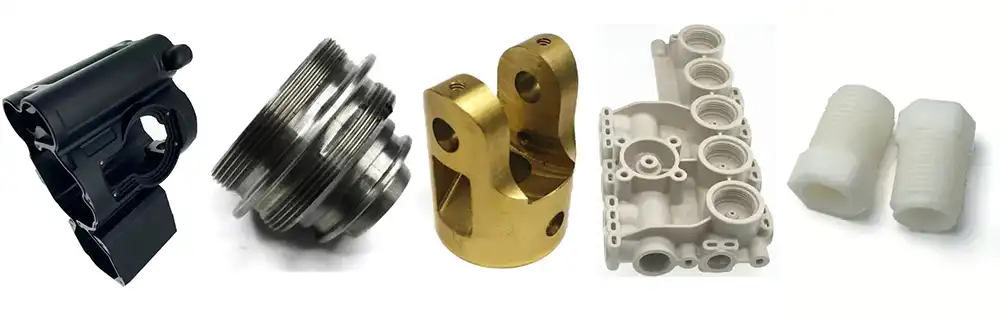
Not all complicated parts need to be milled. Swiss-type turning is great for making small parts with length-to-diameter ratios that are hard for regular lathes to handle. We have 6 Swiss CNC Machining lathes that are very good at making precise SS316 parts up to 25 mm in diameter, with tolerances of ±0.01 mm and surface roughness values below Ra 0.8 μm. Threading, knurling, and radial drilling are all done in the same setting, which cuts down on handling and keeps all features concentrically aligned. Medical device and instrument makers use Swiss machining to make probe tips, sensor housings, and fluid control parts. Stable dimensions are very important for these parts because they affect how well the medical device or instrument works.
Quality Control Integration Throughout Production
Comparing CNC Machining with Alternative Manufacturing Methods
To choose the best way to make something, you need to know how the different technologies deal with issues like complexity, volume, and material limitations. Depending on the needs of the job, each method has its own benefits.
Additive Manufacturing Versus Subtractive Processes
3D printing uses powders or fibers to build things one layer at a time. It lets designers use organic forms and internal lattice structures. But most additive methods make surfaces that are much rougher than machined surfaces—between Ra 6.3 and Ra 25 µm—and need a lot of work to make them useful. The strength of printed metals often changes depending on the direction of the build. This is called anisotropy. Machining takes away material from solid stock while keeping the mechanical qualities of the base material the same throughout the part. When surface quality, dimensional accuracy, and material approval are more important than geometric complexity, subtractive methods are still the best way to make useful parts.
Injection Molding Economics and Design Constraints
CNC Machining makes plastic parts straight from engineering-grade stock, so you don't have to buy any tools. This means that you can get your first products in days instead of months. For the early stages of product development, small-scale production, and designs that are changed a lot, machined samples and pilot-run parts offer more options than casting. High-volume plastic production often justifies injection molding's substantial tooling investment. Once molds are manufactured, per-part costs drop dramatically at quantities exceeding 10,000 units. Yet mold lead times stretch 8-16 weeks, and design changes require expensive mold modifications. Geometry is limited by draft angles, uniform wall thickness, and ejection considerations.
Manual Machining Limitations in Modern Production
Skilled hand machinists used to be the most precise people in the industry. Variability is always caused by human factors. For example, an operator's feel determines where to put the tool, each person's method affects measurements, and tiredness changes the consistency between production runs. These factors are taken away by computer control. No matter if the first part or the thousandth is being machined, the programs run the same way. Instead of making control choices every minute, operators focus on setting up, managing tools, and checking the quality of the work. This change from craft skill to process management makes things much more repeatable and cuts down on the time needed to train skilled workers.
Procuring CNC Machining Services for Complex Parts — What B2B Clients Need to Know
When looking for trusted CNC Machining partners, you need to look at more than just basic equipment lists. When you find the right partner, they become an extension of your tech team.
Supplier Qualification Criteria That Actually Matter
ISO 9001 approval shows that quality management is orderly, but a closer look shows how capable the company really is. Find out when the machines are scheduled for repair. Preventative maintenance stops problems before they happen, which keeps deliveries on time. Check the calibration records for testing tools to make sure the measurements are correct. To make sure that traceability methods are being followed, ask for item certifications and records of earlier inspections. Our team takes care of accurate CMMs, height gauges, and other precision measuring tools that are regularly certified by a third party. Suppliers who genuinely offer quality are different from those who just say they do by being open about these operating details.
Engineering Communication Reduces Costly Errors
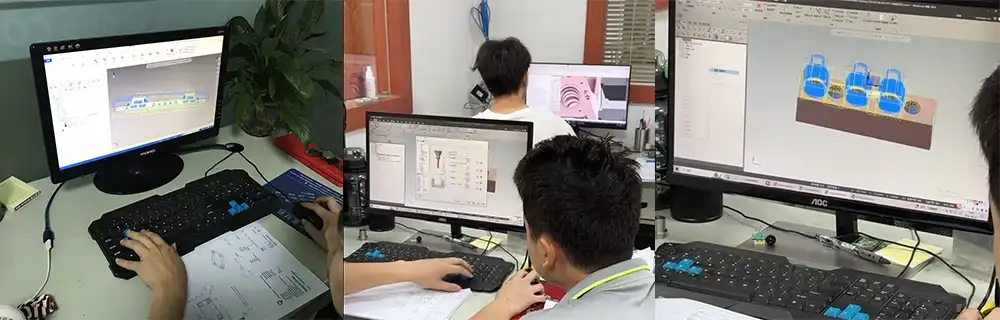
A lot of foreign providers send technical questions to sales reps who don't know much about manufacturing. This lack of communication leads to misunderstandings about the drawings, wrong material choices, and process choices that hurt the performance of the part. Direct communication between engineers lets them clarify the design purpose, get feedback on how feasible it is to make, and solve problems before the chips are even made. Our engineering team looks over customer sketches to find possible problems with machining, suggests changes to the tolerances that keep the function while making it easier to make, and suggests surface finish standards that are right for the application. This way of working together found problems that would have caused things to be thrown away and projects to be late.
Understanding Lead Time Components and Production Transparency
Quoted wait times should be based on the shop's actual ability, not on overly optimistic claims. For most parts, our normal trial production takes 3–7 days to finish, but for simpler shapes, it can sometimes be done in 48 hours. This time frame includes getting the materials, programming, setting up, cutting, finishing, inspecting, and so on. Customers are kept up to date on the progress of their orders and can request photos or videos of their parts being machined if they wish to see them. Visual proof gives you peace of mind that the work is going as planned and lets you spot any problems early on so they can be talked about. Batch production wait times change based on the amount and complexity of the work, and the schedule is clear and takes into account how busy the shop is at the moment.
Protecting Intellectual Property in Manufacturing Relationships
Sharing secret ideas with outside makers makes sense to worry about copying without permission or information getting out. Reliable providers use confidentiality agreements, make sure that only people who are directly involved in production can see the drawings, and keep their data storage systems safe. We store customer files in systems that require a password and keep track of who has access. Physical models are kept in restricted areas. Trust is also important for long-term business relationships, since using customer designs without permission can hurt your image and future chances. Based on our track record since 2008, both new and old businesses can trust us with their most sensitive designs.
Overcoming Challenges in CNC Machining of Complex Parts
When you try to push the limits of what CNC Machining can do, you run into problems, even with high-tech tools and skilled workers. Being aware of common failure types lets you come up with ways to stop them.
Tool Deflection and Chatter in Thin-Wall Machining
Taking away material from thin features makes shaking and bending difficult. Tight standards can't be kept because cutting forces bend thin walls and ribs away from the coming tools. High-speed cutting with a shallower cut depth reduces pressure while keeping metal removal rates at a good level. When you use climb milling, the cutting forces go into the workpiece instead of pulling features away from the fixtures. During rough machining, support structures that are strategically placed and then taken away during the final steps provide brief stiffness. For a medical diagnostic device, these methods helped us make metal enclosures with 0.8 mm wall sections that stayed flat over 150 mm spans with an accuracy of ±0.03 mm.
Thermal Management During Extended Machining Cycles
Both workpieces and machine parts get bigger when they are cut by heat. When a part is hot, it measures one way, but when it cools to room temperature, it measures another way. Temperature-controlled shops, flood cooling systems, and planning the order of operations during cutting all help to lessen the effects of heat. Rough cuts get rid of extra material and let it cool down before finishing cuts set the final sizes. For very important parts, we use through-spindle coolant delivery, which sends high-pressure fluid straight to the cutting edge. This cools the tool and flushes chips out of the cut area at the same time. This method was very helpful when cutting SS316 Swiss parts with a surface roughness standard of Ra 0.8 µm. It was important to keep the cutting conditions the same throughout the production runs.
Material Selection Impact on Manufacturing Outcomes
When engineers write specs, they often list materials based on what they will be used for, without thinking about how easy they are to machine. Free-machining metals, such as 6061 aluminum, are easy to cut and give great surface finishes when using normal tools. Tougher materials, like titanium alloys or precipitation-hardened stainless steels, need special cutting tools, slower speeds, and more tool changes, which all add to the cost and time of production. Early teamwork between design engineers and manufacturing partners finds chances to choose different alloys that meet functional needs and make the product easier to make. When aerospace-grade qualities are really needed, we change the way we use tools and the conditions for machining to match, but for most uses, regular materials work just fine.
Fixturing Solutions for Non-Prismatic Geometries
Accuracy in machining relies on being able to firmly place workpieces while they are being cut. Vises can easily clamp down on simple rectangular blocks, but it can be hard to find a place for complicated castings, forgings, or parts that have already been made. Custom soft teeth that are made to fit the shape of the part provide a solid grip without damaging the delicate parts. When clamp pressure would cause thin, flat parts to warp, vacuum fittings are the best choice. Multi-part fittings can machine more than one part at the same time, which makes it more efficient for large orders. Fixture design takes a lot of technical work for complicated parts, but the investment pays off in shorter cycle times and more consistent quality across all production amounts.
Future Trends and Innovations in CNC Machining for Complex Parts
Industry 4.0 connection, artificial intelligence, and the need to be environmentally friendly are all speeding up the development of CNC Machining technology. Forward-thinking buying teams keep an eye on these changes to stay ahead of the competition.
Artificial Intelligence Optimization of Tool Paths and Parameters
Traditional CAM software makes tool paths based on methods and feeds/speeds that are set by the coder. In real time, AI systems look at cutting force sensors, spindle power draw, and vibration signs. They then change settings automatically to get the best metal removal rates while keeping tools from breaking. Machine learning systems that have been taught on thousands of previous jobs can figure out the best way to do things for new part geometries. These methods cut down on the time needed to program, make tools last longer, and make the surface finish more consistent. Early users say that cycle times for difficult aerospace parts have been cut by 15 to 30 percent. As this technology improves and gets easier to use, it will completely change how cutting jobs are planned and carried out.
Hybrid Manufacturing Combining Additive and Subtractive Processes
Along with standard cutting blades, some machines now have metal deposition heads built in. This mixed method creates nearly-net forms using either directed energy deposition or powder bed fusion, and then it machines important areas to their final sizes in a single setup. The mixture cuts down on the waste of material when parts are made from forgings or thick plate stock that are too big. In the past, aerospace brackets needed 90% of the raw material to be machined away. Now, they can be built closer to their final form using additive manufacturing, with only the useful areas needing to be carefully cut. Hybrid manufacturing works best for low-volume, high-value parts where the cost of materials is a big part of the project budget.
Sustainability Through Intelligent Resource Management
Environmental laws and companies' promises to be environmentally friendly make production more efficient. Minimum quantity lubrication systems use 95% less coolant than flood cooling while keeping tool life high by delivering just the right amount of oil at the right time. Spindle motors with high efficiency and regenerative drive systems get energy back when the machine slows down. Instead of paying to get rid of scrap metal and steel, recycling programs make money from them. By taking these steps, businesses can meet stricter environmental standards while also cutting costs. OEMs that track Scope 3 pollution throughout supply chains give more weight to suppliers that can show real changes in sustainability.
Collaborative Partnerships Replace Transactional Supplier Relationships
When suppliers are constantly bidding against each other based on price, it makes it harder for them to work together technically, which is needed to make complex parts. Instead, top makers build long-term relationships with skilled machine shops by sharing production forecasts, including suppliers in design reviews, and agreeing to volume contracts that last for more than one year. Because of this security, suppliers can spend money on unique tools, training for employees, and process changes that meet the needs of specific customers. People who buy things get consistent capacity and improvements all the time, and people who sell things get a stable income that helps businesses invest. This relationship philosophy shows in the fact that we are willing to help new businesses by communicating with them quickly and giving them expert advice.
Conclusion
CNC Machining is a way to make complex parts that strikes a balance between professional skill, quality systems, and teamwork in engineering support. When advanced multi-axis equipment, strict inspection standards, and direct technical contact all come together, they form manufacturing relationships that speed up product development while keeping costs low. As technology advances toward AI optimization and mixed processes, the basic ideas of accurate measurements, knowing a lot about materials, and clear communication stay the same. When procurement professionals and design engineers understand these factors, they can choose suppliers that meet both the goals of the current project and the company's long-term competitive position.
FAQ
What materials work best for complex CNC-machined components?
Aluminum alloys, especially 6061 and 7075, are great for aerospace, automobile, and electronics uses because they are easy to machine, have high strength-to-weight ratios, and don't rust. Grades 304 and 316 stainless steel are better at keeping medical devices and food items from rusting. Brass is easy to work with and can be used for both artistic and electrical purposes. Engineering plastics like PEEK, Delrin, and PTFE are used to keep electricity from flowing and keep things from slipping. Choosing the right material relies on its mechanical qualities, how it will be used, how much it costs, and how easy it is to machine.
How do machining tolerances affect both quality and project costs?
Tolerances that are closer together need more machining processes, tool changes more often, and more time for checking. Features that need to be accurate to ±0.02 mm cost a lot less than those that need to be accurate to ±0.005 mm because the latter can be made using normal production methods without any extra steps. Work with your production partners to make sure that tight tolerances are only used where they are technically necessary, like for bearing fits, sealing surfaces, and assembly interfaces. For features that aren't as important, loosen the specs. This method keeps the performance of the product high while keeping production costs low.
What factors determine reliable CNC machining supplier selection?
Check to see if the tools can handle the complexity of your part by looking at its axis count and work area size. Check for quality certifications like ISO 9001 and ask for inspection records from the past that show the ability to measure. Instead of having salespeople lead conversations, use direct technical contact to evaluate engineering help. Look into how transparent the production process is. Suppliers who offer process shots and reports on progress show that they are sure of their operations. Look at customer examples from businesses in the same or a similar industry that are having similar technical problems. Compare these factors with the prices and lead times given to find partners who are truly valuable and not just the cheapest CNC Machining supplier.
Partner with RYH for Your Complex Precision Machining Needs
To reach your production goals, you need more than just a CNC Machining provider. You need a manufacturing partner who cares about your success. RYH brings more than 15 years of specialized engineering experience to every project, from making the first prototype to making large-scale production runs. We have a team that looks over your plans and finds ways to make them easier to make without changing the original design. We can work with complex shapes made of materials like engineering-grade plastics, aluminum, and stainless steel, thanks to our modern 3-axis to 5-axis machine centers and Swiss turning tools. Quality systems that are ISO 9001 approved and thorough inspection processes make sure that measurements are correct and that the surface finish is always the same. Usually, sample production is finished in one week, but for easier parts, it can be done faster in three days. We give real-time reports on the project and, if asked, make the machining process clear through photos and videos. If there are any quality issues, we promise quick remanufacturing at no extra cost. Contact our engineering team at bill@bldmachining.com to talk about your unique needs and find out how RYH's precision machining maker services can help you speed up the development of your product while still meeting the highest quality standards.
References
1. Kalpakjian, S., & Schmid, S. R. (2014). Manufacturing Engineering and Technology (7th ed.). Pearson Education.
2. Stephenson, D. A., & Agapiou, J. S. (2016). Metal Cutting Theory and Practice (3rd ed.). CRC Press.
3. Boothroyd, G., & Knight, W. A. (2011). Fundamentals of Machining and Machine Tools (3rd ed.). CRC Press.
4. Society of Manufacturing Engineers. (2018). Fundamentals of Tool Design (6th ed.). SME.
5. López de Lacalle, L. N., & Lamikiz, A. (2009). Machine Tools for High Performance Machining. Springer-Verlag London Limited.
6. Tlusty, J. (2000). Manufacturing Processes and Equipment. Prentice Hall.
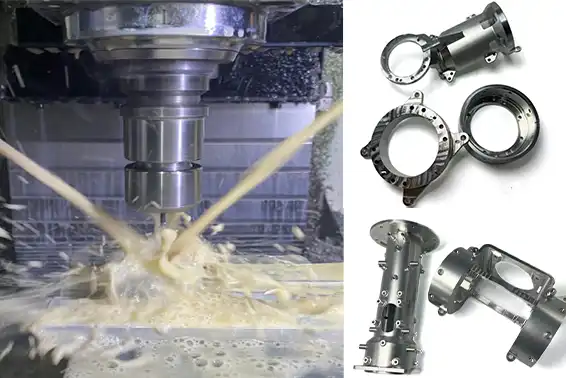
One thing stands out above all others when we talk about modern manufacturing: Precision CNC Machining turns raw materials into parts that move the most demanding industries forward. This cutting-edge manufacturing technology makes it possible to get measurements as accurate as a few microns, gets rid of the mistakes that come with doing things by hand, and lets companies go from trials to full production without lowering the quality. This technology is being used more and more by engineers, buying managers, and research and development teams because it solves important problems that traditional methods can't, like tight tolerances, complex shapes, and faster time-to-market. Precision CNC Machining has become essential in many fields, including aircraft, medical devices, automobiles, and industrial equipment, during the years I've worked in this field.
Understanding Precision CNC Machining: Definition and Core Processes
Precision CNC Machining is a unique way of making things that can achieve tolerances as small as ±0.005mm, which is much smaller than what standard machining can do. Unlike other ways, this one combines multi-axis machining centers (which can be set up in 3-axis, 4-axis, or 5-axis setups) with advanced CAM software that turns engineering drawings into tool paths that can be used. High-speed spindles, strong machine frames, and temperature compensation systems are what make this technology work. They keep the dimensions stable even during long production runs.
The Complete Workflow from Design to Finished Component
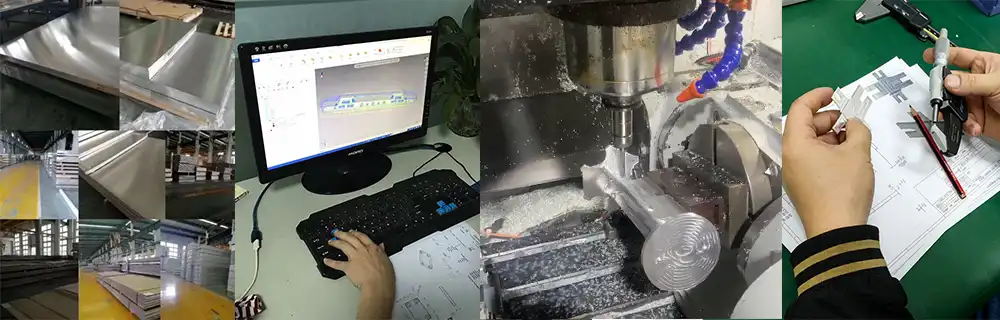
The process starts with choosing the material. Next, experts look at its mechanical properties, thermal properties, and compliance standards. Aluminum alloys like 6061-T6 are most often used in places where anodizing and strength are needed, while 7075-T6 is used for aircraft parts that need better structural performance. Once the materials come with certified mill test results, CNC programmers create tool paths that take into account how the material behaves, the cutting forces, and the material's thermal expansion. Flood cooling systems and optimal feed rates keep heat from building up during machining, which could affect precision. After machining, steps like deburring, surface treatments like anodizing or chemical film finishing, and a careful check with coordinate measuring machines (CMM) and optical comparators are all done.
Hardware and Software Integration Enabling Consistent Accuracy
Closed-loop feedback systems are built into modern CNC machining centers. These systems constantly check the position of the tools and fix any technical issues that happen in real time. High-tech processors follow G-code directions very quickly while keeping smooth acceleration profiles that stop mistakes caused by vibration. Tool presetting systems check the sizes of the cutting tools before they are used, so mistakes in setting them up by hand are avoided. Climate-controlled factory settings keep temperatures even more stable, making sure that parts stay the same size throughout production cycles. This integration makes a production environment where repeatability is promised instead of just hoping for it.
Key Benefits and Applications of Precision CNC Machining for B2B Clients
When manufacturers choose Precision CNC Machining, they get a number of strategic benefits that have a direct effect on the success of their products and their ability to compete in the market. The technology is great at making parts where the accuracy of the dimensions affects how well they work, not just how they look. Companies say that compared to subtractive methods like casting, there is a lot less material waste, and production cycles are sped up, which cuts down on time-to-market windows that are important for staying ahead of the competition.
The following advantages set Precision CNC Machining apart from other ways of making things and explain why smart buying teams put this technology at the top of their list. Cost effectiveness comes from having less waste and not having to do as many extra operations. This is because after basic finishing, parts often leave the machine ready to be put together. Scalability lets you go from testing a prototype to mass output without having to retool or change the way the process works. Aluminum, titanium, and industrial plastics like PEEK and Ultem are just a few of the materials that can be used. This means that makers can choose the best materials without having to worry about how they will be made. Repeatability in the process makes sure that the thousandth part is the same as the first. This gets rid of the batch-to-batch difference that happens with other ways of making things. All of these benefits lower the total cost of ownership, speed up the creation of new products, and make the supply chain more reliable.
Industry Applications Where Precision Makes the Difference
Precision CNC Machining is needed for structural aircraft parts, electronics housings, and fuel system pieces that need to be lightweight without sacrificing structural integrity. Medical device makers use this technology to make surgical tools, housings for testing equipment, and parts for automating labs that need materials and methods that are FDA-compliant. Automotive engineers ask for precision-machined parts for safety-critical suspension parts, battery casings for electric vehicles, and heat management systems. Dimensional accuracy has a direct effect on how well the vehicle works and how safe its passengers are. Precision parts are used in robots' joints, linear motion assemblies, and sensor housings in industrial automation systems. The dependability of these parts depends on how well they work with mechanical tolerances. Precision machining is important for semiconductor equipment makers because it keeps parts clean and prevents costly production delays in wafer handling systems and testing setups.
Material Selection Aligned with Application Demands
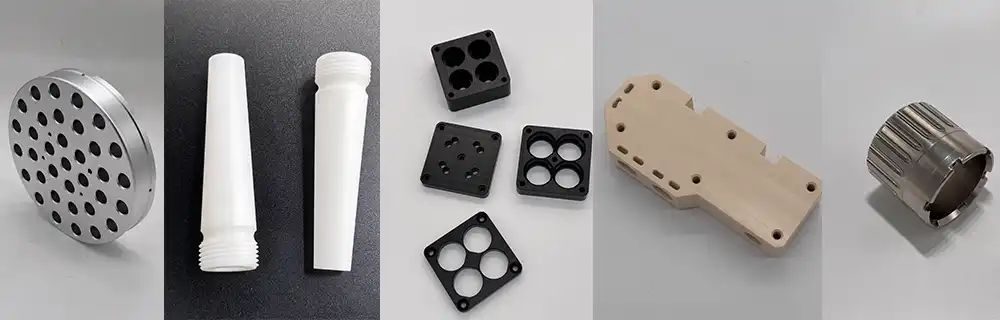
The aluminum 6061-T6 is very easy to machine, doesn't rust, and can be anodized, so it's good for general engineering uses and consumer gadgets. Aluminum 7075-T6 has a better strength-to-weight ratio, which is important for aircraft systems and high-performance parts that are loaded and unloaded quickly. Titanium metals are biocompatible and have a high level of corrosion resistance, which is important for medical devices and equipment used in chemical processes. Engineered plastics, like PEEK and Delrin, are used in situations where electrical protection, chemical resistance, or weight reduction are needed while the shape stays the same. Stainless steel grades are used to make food preparation equipment that is clean and won't rust in marine settings.
Comparing Precision CNC Machining with Alternative Manufacturing Methods
When procurement workers look at different manufacturing technologies, they need to know how Precision CNC Machining stacks up against others like standard CNC machining, 3D printing, injection casting, and hand machining. Each technology fits into a certain niche, and the best one to use depends on technical skills, economic factors, and production numbers.
When Precision CNC Machining Outperforms Alternatives
Standard CNC Machining usually gets limits of about ±0.1mm, which is fine for non-essential parts but not for mating surfaces, bearing bores, or sealing faces. Precision CNC Machining keeps limits of ±0.005mm on important measurements and ISO 2768-m standards on secondary features. This makes useful parts instead of rough parts that need a lot of hand finishing. Additive manufacturing is great at making complex internal geometries, but it's not so good at surface finish quality and dimensional accuracy. This means that it works well for samples but not so well for useful parts. When making more than a thousand units, injection molding only makes sense as an investment in expensive tools. Precision CNC Machining, on the other hand, stays cost-effective from single samples to mid-volume production runs. Manual machining brings variation in quality due to skill levels, which makes it unpredictable for parts that need to be the same size across production runs.
Technical Comparison Factors Influencing Procurement Decisions
How well a production method can handle dimensional tolerances determines whether it can make working parts or just visual prototypes. The quality of the surface finish affects both how it looks and how it works, including the closing surfaces, the areas where weight is carried, and how resistant it is to wear and tear. Project timelines are affected by how fast parts are made. For example, Precision CNC Machining can usually send sample parts in three to seven days. Cost structures are very different. For example, Precision CNC Machining doesn't have to pay for the tools needed for casting, so the piece prices are still competitive for low to medium-volume production. Material compatibility increases design choices because Precision CNC Machining can work with almost any material that can be machined without making any changes to the process.
How to Choose the Best Precision CNC Machining Service Provider
When looking for a Precision CNC Machining partner, you need to look at their professional skills, quality control systems, and operating responsiveness. These are all important factors that affect the success of the project as a whole. Companies that have ISO 9001 certification show that they are dedicated to quality management. Certifications that are specific to a field, like AS9100 for aircraft or ISO 13485 for medical devices, show that the company has specialized knowledge. More advanced equipment is better. For example, 5-axis machining centers can make complicated shapes that 3-axis machines can't, and new controls improve the quality of the surface finish and shorten cycle times.
Evaluation Criteria for Procurement Teams
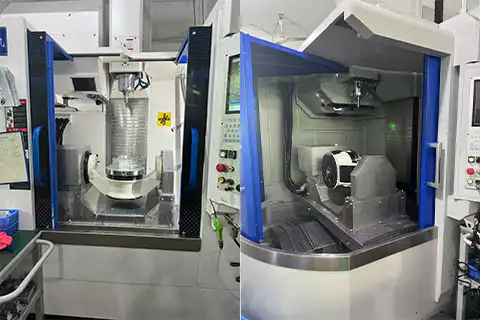
Manufacturing partners are different from simple machine shops because they can communicate technically. Suppliers that allow direct contact between engineers look over plans to make sure they can be manufactured, suggest design improvements, and help with choosing materials that lower costs without lowering performance. Quality management includes more than just inspection reports. It also includes written processes for dealing with nonconformances, putting corrective actions into action, and working toward ongoing growth. The level of sophistication of the machinery sets its limits. For example, high-speed rollers make it easier to machine aluminum, and rigid machine structures keep accuracy when working with tough materials like titanium or hardened steel. Responding quickly to customer requests for quotes, being open with schedules, and talking about possible delays before they affect delivery promises can all have an effect on project timelines.
Understanding Cost Structures and Lead Time Expectations
Quotes should list the prices of materials, machining time, setup fees, and finishing processes. This way, procurement teams can figure out what causes costs to go up or down and compare different options. Lead times rely on the supply of materials, the schedule of machines, and the finishing needs of the job. Prototype parts usually take three to seven days, while production runs can take up to four weeks, depending on the number of parts and how complicated they are. Suppliers who keep materials in stock and offer flexible timing can work with pressing projects without charging more, while those who need longer lead times may be experiencing capacity issues or business inefficiencies.
Since 2008, we've built our name on engineering-driven manufacturing that blends Precision CNC Machining with technical know-how and quick customer service. Our team, which has an average of more than 15 years of experience in the field, works directly with customers to look over sketches, improve designs, and come up with useful machining solutions that solve real production problems. This method cuts down on mistakes, shortens wait times, and makes things easier to make while keeping communication open throughout projects.
Optimizing Procurement: How to Request Quotes and Place Orders for Precision CNC Machining
For procurement to work well, there must be clear technical paperwork that removes any doubt and stops costly mistakes. Complete CAD drawings in STEP or IGES format, detailed tolerance callouts using GD&T notation, material specifications based on industry standards, surface finish requirements given as Ra values, and finishing specifications such as anodizing type, plating thickness, or coating standards are all things that are needed to get a quote approved.
Essential Information for Accurate Quotations
Interpretation mistakes that slow down projects and raise costs can be avoided by having complete engineering plans. Tolerance requirements tell suppliers the difference between general features that can accept standard tolerances and critical dimensions that need to be controlled precisely. This lets suppliers find the best ways to machine parts and cut costs that aren't necessary. Material certifications make sure that regulations are followed. For example, aircraft uses may need to be able to track materials, and medical devices need materials that are FDA-compliant and have been shown to be biocompatible. The type of surface finish affects both the way the machine is used and the time it takes to complete a cycle. For example, thinner finishes require more work, which increases wait time and costs. Quantity needs affect price because setup costs are spread out over higher production amounts, and buying power for materials increases with larger orders.
Managing Production Schedules and Ensuring Supply Chain Reliability
Before committing to bigger production runs, prototype-to-production partnerships start with sample orders to make sure that the manufacturing capability, accuracy of measurements, and quality of the finish are all good. Trial orders set basic quality standards and test how responsive and clear the supplier's contact is. When planning production, it's important to keep track of engineering release dates, wait times for getting materials, machining capacity, and shipping dates. Contract manufacturing agreements make quality standards, supply schedules, and price models official, so everyone knows what to expect. Flexible providers can handle changes in engineering, faster deliveries, and changing order numbers that reflect the real problems that come up during product development, not just the ideal ideas that are used for planning.
We help with projects from the first samples to full production runs, always keeping tight limits and high-quality standards in mind. We can handle complicated machining processes, special needs, and small-batch production that many providers avoid because they are hard to do. We offer fast, door-to-door delivery around the world for small sales, and if there are any quality problems within the same month, we guarantee quick remanufacturing—usually within one week, with shipping costs paid.
Conclusion
Precision CNC Machining gives modern manufacturing the exact measurements, a wide range of materials, and high output efficiency it needs. With this technology, engineers can build parts knowing that their performance won't be affected by how they're made, and procurement teams can make sure that there are reliable supply lines with no quality risks or long wait times. To find the best manufacturing partner, you need to look at their technical knowledge, quality control systems, and practical responsiveness. These are the three things that affect the overall success of the project. Precision CNC Machining gives companies a competitive edge by speeding up product creation, lowering production costs, and improving product performance, all of which have a direct effect on their market position.
FAQ
What tolerances can precision CNC machining realistically achieve on aluminum components?
When using 5-axis machining centers with the right tools and process control, Precision CNC Machining can regularly achieve ±0.005mm tolerances on important features like bores, joining surfaces, and sealing faces. To save money without sacrificing usefulness, non-critical features usually stay within the ISO 2768-m tolerances (±0.1mm for measurements under 30mm).
How do you prevent dimensional errors when machining thin-walled aluminum parts?
Thermal control is very important for thin-walled parts that can bend because of heat. We use flood cooling systems to keep the temperature stable, high-speed toolpaths to lower the cutting forces, and stress-relieving heat treatments between steps of machining when the wall thickness is less than 2 mm. Fixture design also spreads out clamping forces to keep parts from deflecting while they are being machined.
What material certifications do you provide for aerospace and medical applications?
All materials come with mill test results that list their chemical makeup and mechanical qualities. Documentation for material tracking is sent to aerospace projects that connect finished parts to batches of approved raw materials. Medical device parts are made from materials that are FDA-approved and have biocompatibility documents and surface processes that meet regulatory requirements such as RoHS and REACH compliance standards.
Partner with RYH for Your Precision CNC Machining Needs
Precision CNC Machining services from RYH are based on engineering and are backed by full expert help and quick project management. Our engineers talk to your team directly—no middlemen—reviewing plans, improving designs, and suggesting workable solutions that make things easier to make while cutting costs. We specialize in making fully customized parts from plans provided by clients. These parts can be made from metals or non-metals and are used in a wide range of industries, from aircraft to medical devices. Our business is based on quick reaction. Quotes are sent out quickly, and samples are made within a week, or often in three days, for easier parts. We can handle complex shapes, difficult materials, and special surface finishing needs that many Precision CNC Machining sources turn down. We can do everything from prototyping and testing to mass production. We have strict quality standards that we stick to, such as material certifications, measurement inspec tion reports, and following international standards. This makes sure that the parts always meet your needs. Contact bill@bldmachining.com to talk about your project needs and find out how working with an experienced Precision CNC Machining maker can speed up the development of your product while ensuring quality and on-time delivery.
References
1. Kalpakjian, S., & Schmid, S. R. (2014). Manufacturing Engineering and Technology (7th ed.). Pearson Education.
2. Stephenson, D. A., & Agapiou, J. S. (2016). Metal Cutting Theory and Practice (3rd ed.). CRC Press.
3. Society of Manufacturing Engineers. (2018). Fundamentals of CNC Machining. SME Technical Publications.
4. American Society of Mechanical Engineers. (2019). ASME Y14.5-2018: Dimensioning and Tolerancing. ASME Standards.
5. Boothroyd, G., & Knight, W. A. (2011). Fundamentals of Machining and Machine Tools (3rd ed.). CRC Press.
6. López de Lacalle, L. N., & Lamikiz, A. (2009). Machine Tools for High Performance Machining. Springer-Verlag London.
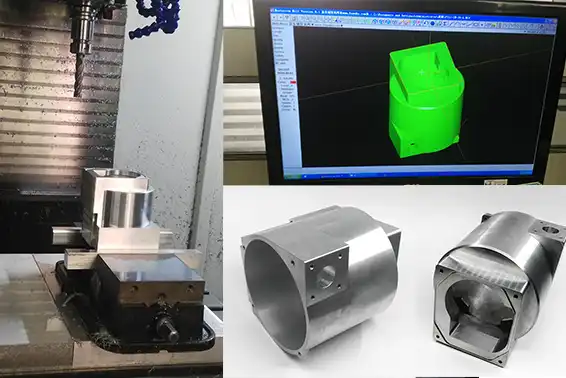
Custom CNC Machining uses computer-controlled manufacturing methods to make parts that are precisely designed and fit your exact needs. In contrast to mass production, this method uses advanced machining techniques along with technical knowledge to turn design ideas into working samples and parts that are ready for production. Our services include milling, turning, and multi-axis powers that let us work with complicated shapes made of metal and plastic. We help businesses ranging from aerospace to medical devices with these skills. We help B2B clients who need reliable, high-precision solutions bridge the gap between design purpose and manufacturing reality by letting engineers talk directly to each other and turning work around quickly (often within 3–7 days).
Understanding Custom CNC Machining: Processes, Benefits, and Applications
What Distinguishes Custom CNC Machining
The main difference is how well they can adjust. Standard machining sticks to set parameters, but Custom CNC Machining changes based on the needs of the job. We make parts that meet specific tolerances for size, material properties, and surface finish by working straight from your CAD files and technical models. Before production starts, our engineers look over every design to see what problems might come up with making it. They then suggest changes that keep the usefulness while making the manufacturing process more efficient.
Core Machining Processes We Use
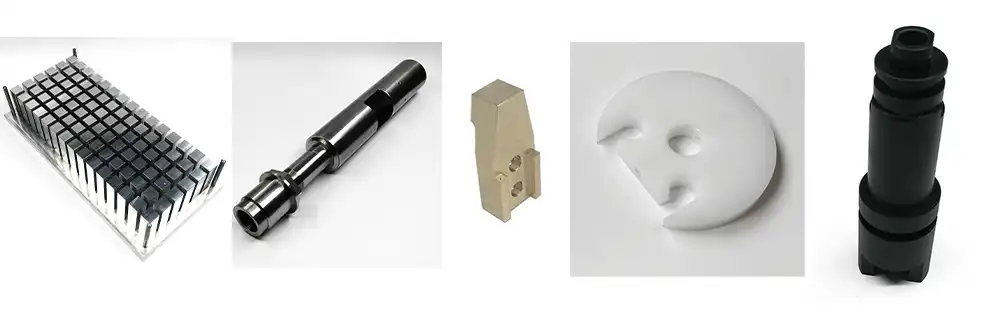
Several technologies are used in our cutting process to get the results we want. CNC milling uses spinning tools to remove material and make complicated shapes and outlines. Cylindrical parts with good surface quality and concentricity are made by turning. Multi-axis cutting is used for complicated shapes that need tools to move at the same time in more than one plane. Which process to use relies on the shape of the part, the tolerances that need to be met, and the properties of the material. We make metals like stainless steel, brass, titanium, and aluminum alloys like 6082, which are known for having high strength-to-weight ratios and being resistant to rust. Our unique plastic Custom CNC Machining parts are made from engineering-grade polymers like PEEK, Delrin, and Nylon, which are used in places where chemical protection or electrical insulation is needed.
Achievable Tolerances and Quality Standards
Dimensional consistency has a direct effect on how well a product works. For standard jobs, we always keep tolerances of ±0.005", but we can get as close as ±0.001" if the requirements call for it. Surface finishes range from "as machined" to Ra 0.8µm, depending on the need for functionality or personal taste. Every package comes with a material certification that lists the chemicals used and their mechanical qualities. As part of our quality control, we inspect the first piece, check the progress while it's being made, and use calibrated CMM tools for final measurement reports. When clients need FDA-compliant materials for medical devices or aerospace-grade certifications for flying parts, this paperwork is very important.
Industry Applications That Benefit Most
Mechanical experts who are making industrial automation equipment depend on our custom clamps, mounting plates, and motion control parts that fit perfectly into existing systems. Automotive makers get parts for EV charging systems and battery housings that need to be manufactured with tight tolerances and good heat control. The companies that make medical devices count on us to provide surgical tool parts and laboratory equipment parts that are biocompatible. Electronics companies use our fast prototyping services to make sure that their enclosure designs and heat sink setups work before they spend money on making tools. Startups and research teams like how flexible we are when it comes to low-volume production runs that help test products without having to meet strict minimum order requirements that put a strain on budgets.
Comparing Custom CNC Machining with Alternative Manufacturing Methods
Material Compatibility and Process Selection
In different situations, different production methods work best. Additive manufacturing creates parts layer by layer, giving you more control over the shape but not as much control over the material's strength and surface quality as made parts. For samples or sales of less than 1,000 units, injection molding is not a good option because it costs a lot and takes a long time to make the tools. While manual cutting is flexible, it doesn't offer the consistency and accuracy that computer-controlled equipment does.
These factors are well balanced by Custom CNC Machining. We work with both metals and plastics without having to buy special tools. This means that the dimensions stay the same whether we're making prototypes or full-scale production runs. We don't add to the solid stock, melt and reform plastics, or build up layers, so the qualities of the material stay the same. This is very important when parts need to be able to handle mechanical stress, changing temperatures, or chemical contact.
Lead Time and Cost Considerations
Project deadlines have a big effect on the choice of manufacturing method. We can get Custom CNC Machining samples to you in one week, or sometimes in three days for simple shapes. For injection casting, just making the tools takes 4 to 8 weeks before the first parts come. 3D printing can match our speed for simple shapes, but it gets much slower as the forms get more complicated and more work needs to be done afterward.
Cost arrangements are very different. When you use Custom CNC Machining to make parts, the costs are pretty much the same whether you make 5 or 500. With injection molding, on the other hand, the high costs of the tools are spread out over a lot of parts. Depending on how complicated the part is, the break-even point is usually between 1,000 and 5,000 units. Below that point, made parts usually cost less when you add up all the costs of the project, like tools, iteration cycles, and delays caused by quality issues.
Evaluating Potential Manufacturing Partners
When choosing providers, procurement managers should look at a number of skills. The boundaries of cutting complexity depend on the technology infrastructure—do they only use 3-axis mills, or can they do 5-axis simultaneous machining? When working with difficult metals or new polymers, having experience with those materials is important. Certifications like ISO 9001 show that quality systems are well-established, while badges specific to an industry, like AS9100 or ISO 13485, show that the company knows a lot about medical devices or aerospace.
Response time shows how efficient a company is. In how little time do they respond to RFQs? Can engineers talk about technology issues directly with each other without going through salespeople? We've found that clear technical conversation cuts down on mistakes that lead to expensive extra work. Turnaround times tell the difference between good providers and great ones. For example, our average sample delivery time of 5 days shows how efficient our manufacturing is and how we prioritize your projects so they don't interfere with your development plans.
Procurement Insights: Ordering Custom CNC Machined Parts Efficiently
Factors Influencing Machining Costs
The choice of materials has a big effect on the price. Aluminum can be machined more quickly than stainless steel, which saves money on work. Titanium and Inconel are examples of rare metals that need special tools and slower cutting speeds. Most of the time, it's cheaper to make plastic than metal, but you need to use different fixturing methods and tool shapes.
Programming time and machining time are both affected by how complicated the part is. Simple prismatic forms with standard traits are easy to machine. Cycle times are longer when there are organic shapes, thin walls, deep gaps, and small internal circles. Costs are also affected by the tolerances that are needed. For example, keeping ±0.001" tolerances requires more setup checks, slower feeds, and more inspections than ±0.010" tolerances.
Setting up depreciation changes the price per unit based on the quantity. Programming, setting up fixtures, and inspecting the first piece are all fixed costs that are spread out over the number of orders. Surface finishing adds costs that change depending on the type of treatment used. For example, electropolishing costs more than bead blasting, which costs more than anodizing.
Preparing Effective RFQs and Technical Documentation
Clear communication speeds up the quote process and cuts down on mistakes. Give full 3D CAD files in common forms like STEP, IGES, or Parasolid, along with 2D models that show important measurements, tolerances, and surface finish callouts. Make it clear what type of material it is—"aluminum" isn't precise enough, but "6082-T6 aluminum per ASTM B211" is.
Figure out which dimensions are functionally important and which are just reference measurements. Write down any assembly standards, like thread or press-fit limits. Include the amount needed for both the sample and the amount that will be made. This lets providers suggest ways to improve the Custom CNC Machining process that might lower costs when more are bought.
Managing Lead Times and Production Scheduling
Standard lead times depend on how complicated the job is and how busy the shop is. Most development schedules can work with our standard 7-day delivery for samples. Orders for 100 or more parts usually take two to three weeks, but this depends on how hard the material is to find and how complicated the cutting is. We offer faster services when the necessity of the job supports the higher price, and when it's technically possible, we can deliver within 72 hours.
Minimum order amounts affect how willing suppliers are to work with you and how prices are set. We can take orders for prototypes as small as one piece and as large as 10,000 or more units. No matter the number, we keep the same quality standards and tech support. This adaptability helps the prototype-to-production purchasing model that many of our clients use. In this model, initial samples are used to confirm the design before bigger promises are made.
Partnering with Top Custom CNC Machining Suppliers: What B2B Clients Should Know
Evaluating Manufacturing Capabilities and Infrastructure
How possible a project is depends on how deep the technology is. Advanced shops use multi-axis Custom CNC Machining centers to make complicated shapes in just one setting. This cuts down on tolerance stack-up and improves accuracy. Live tools and the ability to combine tasks that would normally need more than one machine. EDM machines can work with hard materials and complicated shapes that milling machines can't reach. Anodizing, powder coating, and heat treating are all surface treatment methods that can be done in-house. This cuts down on time and improves quality control.
Quality Assurance and Risk Management Strategies
The terms of the contract should make it clear what level of quality is expected. List the things that need to be inspected, the sampling plans that are allowed, and the formats for giving dimensions. Talk about the steps for not meeting standards. How quickly will new parts be sent, and who will pay for the shipping? As part of our pledge to customer happiness, we promise to remanufacture within one week for any quality problems found within 30 days. We will also pay for the return shipping.
Material approvals and proof of compliance keep supply chain threats at bay. Medical gadget projects need plastics that are FDA-compliant and can track materials. Certified material test results are needed for aerospace parts. RoHS compliance or UL-recognized products may be needed for electronic uses. Make sure that any possible suppliers know about these rules, and make sure that you keep the records that you need to meet your legal responsibilities.
Building Strategic Manufacturing Partnerships
Transactional relationships are all about getting things done for one person, while strategic partnerships help both parties understand each other better, which leads to better results over time. Our engineers learn about the types of designs you like, the tolerances you need, and the locations where they will be used. This knowledge speeds up future projects because we can predict what needs to be done and deal with possible issues before they become problems.
A company that makes medical devices came to us with a complicated surgery tool housing that needed to be perfectly centered between several bored parts. During the study of the design, our engineers found that the stated tolerance stack would make assembly difficult. We suggested a way to make things using a single-setup 4-axis process that would keep important connections while loosening up dimensions that weren't as important. This cut the time it took to machine parts by 30% and raised the success rate of assembly. This kind of group problem-solving comes from partnerships, not one-way transactions.
Design Tips and Best Practices for Custom CNC Machining Success
Design for Manufacturability Considerations
Machinability in Custom CNC Machining is based on how easy it is to get to a feature. Because the tool radius makes small cuts, internal corners can't be perfectly sharp. Costs are reduced when corner radii are designed to match common tool sizes (0.015", 0.030", and 0.060"). When pockets are both deep and wide, they increase the risk of tool deflection and chatter. Chip removal and surface finish quality improve when draft angles are added.
Wall thickness affects both how easy it is to machine and how well the part works. If the walls are too thin, usually less than 0.030" for metals or 0.060" for plastics, they could bend during cutting and lose their shape afterward. It is more reliable to machine thicker pieces, but they cost more and take longer to make. To balance these factors, you need to know both what the useful requirements are and how the product will be made.
The thread specs affect how well the product is made. Taps and sewing tools that work with standard threads (UNC, UNF, and metric) are easy to find. Special tools are needed to make custom thread forms, which adds to the cost and wait time. As a general rule, the minimum length of a thread contact should be 1.5 times the major diameter for steel and 2 times for aluminum.
Common Design Mistakes and How to Fix Them
Costs go up needlessly when every measure has to be tightly controlled. Precision standards should only be used where they are needed, like on surfaces that mate, fit bearings, or close. In other places, normal Custom CNC Machining limits (±0.010" for most features) should be used. This way of doing things cuts down on review time and production complexity without affecting performance.
When choosing materials, qualities that aren't always important for the purpose are sometimes given more weight. An electrical enclosure that is supposed to be made of titanium to prevent corrosion could be made of 6082 aluminum, which is one-third the cost and can be anodized to protect the environment. Talking to expert machinists about different types of materials often turns up ways to save money without sacrificing function.
Not figuring out how much surface finish is needed leads to confusion. People have different ideas about what "smooth finish" means. It is clear what the surface roughness is when you give a number (Ra values) or refer to finish standards. We help our customers figure out which finishes are really needed for their projects and which ones are just for looks but don't add any usefulness.
Leveraging CAD/CAM Integration
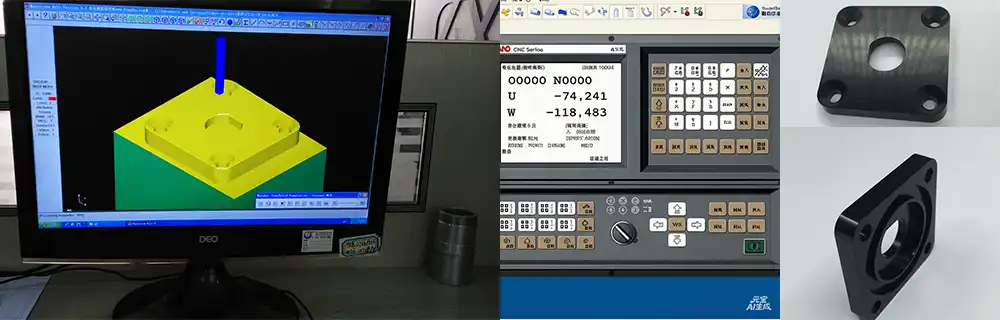
Digital data sharing is important for modern industry. We put your 3D models right into CAM software, which makes toolpaths, runs operations, and makes sure there are no collisions before cutting starts. This gets rid of mistakes made by hand while writing and lets changes to the plan be made quickly.
Parametric CAD models make it easier to talk about how to improve designs. When our engineers suggest changes, new models quickly show how those changes will affect parts that fit together or the order in which they are put together. This way of working together cuts down on development time and increases the number of first-time successes. Sharing files and keeping track of versions in the cloud keeps teams working on different projects in touch.
Conclusion
Custom CNC Machining projects need more than just good tools to be successful. They also need engineering knowledge, good communication, and a manufacturing relationship. With more than 15 years of professional experience, we can solve problems in a way that combines what the designer wanted with what can be made. We've set up systems that allow for quick quotes, flexible order numbers ranging from single prototypes to large production runs, and efficient global logistics that bring small orders door-to-door. Material approvals, detailed inspection records, and remanufacturing guarantees all help lower the risk of buying while meeting your quality standards. Our end-to-end help turns technical drawings into precise parts that meet specifications and deadlines, whether you're making industrial equipment, building medical devices, or validating auto parts.
FAQ
What factors most significantly affect custom CNC machining project costs?
The main things that affect costs are the choice of material, the complexity of the part, the accuracy standards, and the size of the order. Aluminum can be machined more quickly than stainless steel, which saves money on work. Tight tolerances and complicated shapes need more programming, slower machining speeds, and more time for checking. Processes that change the surface, like anodizing, cost more in both material and labor. Setting up costs are spread out over more parts when you buy more, which lowers the price per unit.
How can I verify a CNC machining supplier's quality standards before placing orders?
How can I make sure that a Custom CNC Machining provider meets quality standards before I place an order? Ask for sample parts that are close to what you need and compare the dimensions to the plans to make sure they are correct. Ask for certificates of the material that list its chemical makeup and mechanical qualities. Check to see if they can do inspections. For example, do they use accurate CMM equipment? Check to see if they have the right certifications, such as ISO 9001 or standards specific to your business (AS9100 for aircraft, ISO 13485 for medical devices). References from clients in the same industry can tell you a lot about how reliable and quick someone is.
What lead times should I expect for CNC machined prototypes and production parts?
Lead times for prototypes are usually between 3 and 7 days for simple shapes and materials that are easy to get. For complicated parts with many axes or rare metals, it may take 10 to 14 days. Print orders usually take two to three weeks, but it depends on how many and how complicated they are. When the job needs to be done quickly, expedited services can shorten these timelines for an extra fee. Sometimes, the supply of materials causes wait times to be longer than planned. Checking stock levels before making plans helps avoid surprises.
Partner with RYH for Precision Custom CNC Machining Solutions
Since 2008, RYH has provided engineering-driven precision manufacturing to help procurement managers and design engineers in the automobile, medical device, aircraft, and industrial equipment industries. Our technical team, which has an average of 15+ years of experience in machinery, works directly with your engineers to improve plans, suggest materials, and solve problems with making things without going through salespeople. We make metal and plastic parts exactly to your specifications, with tolerances of ±0.001" and full material certifications, FDA-compliant materials, and surface treatments like anodizing and salt spray testing. Whether you need prototypes in 72 hours or production volumes with flexible batch sizes, we offer quick quotes and reliable delivery through efficient global logistics. Contact bill@bldmachining.com today to talk about your project with experienced engineers at a trusted Custom CNC Machining supplier, and find out how our technical capabilities and manufacturing partnership approach can speed up the development of your product.
References
1. Kalpakjian, S., & Schmid, S.R. (2014). Manufacturing Engineering and Technology (7th ed.). Pearson Education.
2. Boothroyd, G., Dewhurst, P., & Knight, W.A. (2011). Product Design for Manufacture and Assembly (3rd ed.). CRC Press.
3. Groover, M.P. (2015). Fundamentals of Modern Manufacturing: Materials, Processes, and Systems (6th ed.). John Wiley & Sons.
4. Smid, P. (2008). CNC Programming Handbook: A Comprehensive Guide to Practical CNC Programming (3rd ed.). Industrial Press.
5. Lynch, M. (2018). CNC Programming Techniques: A Practical Guide for Machinists and Programmers. Society of Manufacturing Engineers.
6. Stephenson, D.A., & Agapiou, J.S. (2016). Metal Cutting Theory and Practice (3rd ed.). CRC Press.
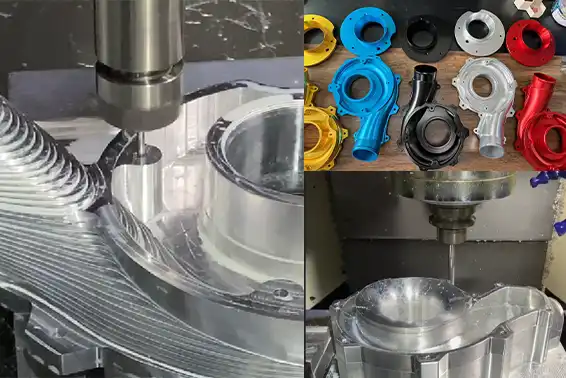
Custom CNC Machining has become an important part of many specialized industries because it allows for precise production that is tailored to each project's needs. Custom CNC processes use computer numerical control technology to make parts with precise tolerances, complicated shapes, and a range of materials. This is different from traditional machining methods that use mass-production templates. This change allows industries like airplanes, medical devices, and advanced electronics to come up with new ideas more quickly while still upholding high standards of quality. Custom CNC Machining solves important procurement problems and speeds up the time it takes for new goods to reach the market by connecting what the designer wants with what can be made.
Understanding Custom CNC Machining in Niche Markets
The Core Definition and Technology Behind Precision Manufacturing
Using computer-controlled tools for precision cutting is different from doing things by hand. Machines read CAD models and turn them into exact toolpath movements. They then remove material layer by layer until the final part is made. Metals like 6082 aluminum alloy, brass, and stainless steel can be used with this process. High-performance plastics like PEEK and Delrin can also be used. To get the best results without damaging the structure, each material needs its own set of cutting factors, cooling strategies, and tool choices.
Modern CNC processes are built around tasks like milling, turning, grinding, and multi-axis work. Milling is great for making complex surface features and pockets, while turning makes cylinders that are very closely centered. Compound angles and undercuts can be done on multi-axis machines, but not on simpler machines. By knowing about these skills, procurement workers can match the needs of a project with the best way to make it, avoiding extra work or higher costs.
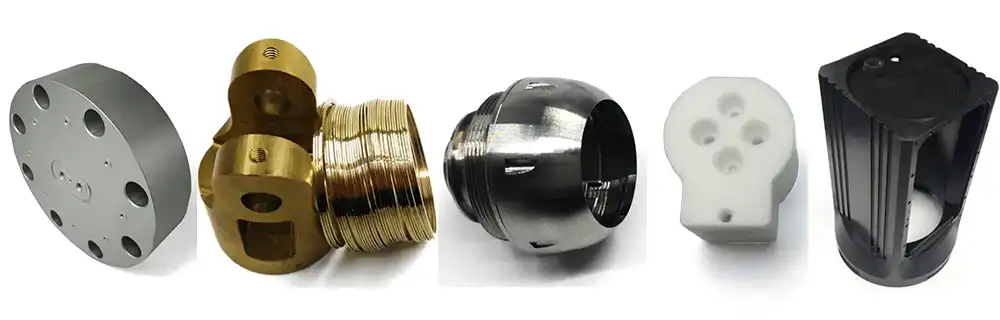
Step-by-Step Workflow from Design to Inspection
A digital model is the first step in making any exact part. Engineers send CAD files, and machinists do design-for-manufacturability reviews to find problems that might happen before production starts. After choosing a tool, you have to find a balance between cutting speed, material strength, and the surface finish you want. Real-time tracking systems keep an eye on spindle load, shaking, and dimensional drift while cutting. This lets changes be made right away, which cuts down on waste.
Coordinate measuring tools, optical comparators, and surface roughness testers are used in post-machining checking to make sure that standards are met. Each batch comes with a material document that confirms the alloy's composition and mechanical qualities. This strict process makes sure that parts meet the AS9100 standards for aircraft, the FDA's requirements for medical devices, or the IATF 16949 standards for the car industry. Documentation that is clear at all stages of the process helps build trust and makes it easier to find mistakes when legal checks happen.
CNC Machining Versus Emerging Manufacturing Technologies
Additive manufacturing and injection molding are useful in some situations, but they can't take the place of Custom CNC Machining for making samples with high strength and in small quantities. 3D printing has trouble with metal density and consistent surface finish, while injection casting needs pricey tools that only start to save money when a lot of them are made. Within days, Custom CNC Machining can turn real engineering materials into parts that are almost ready for production. This makes it essential for validation testing and trial runs.
It is very flexible to be able to change materials and shapes without having to pay for new tools. A new medical device company can make prototypes of surgical tools out of FDA-approved PEEK and then switch to titanium for clinical studies without having to switch suppliers or methods. This ability to shift lowers risk and speeds up growth, which gives new companies an edge in markets that change quickly.
Why Custom CNC Machining is the Go-To Solution for Niche Applications
Flexible Design Iteration and Rapid Prototyping
Iteration is a key part of product creation. Engineers improve designs based on feedback from tests, and specs often need to be changed more than once before they are finalized. Precision cutting can easily adapt to these changes and make new parts in three to seven days, whereas molding or casting requires longer wait times. This speed lets teams from the mechanical, electrical, and software engineering departments work together at the same time.
Automotive companies that make parts for battery housings can use fast cycles to test features for managing heat and being resistant to crashes. Electronics companies that are trying EMI shielding boxes can play around with wall thickness and air flow patterns until they find the best way to keep the signals safe. Each version brings projects closer to being ready for production while lowering the risk to the budget and schedule.
Achieving Micron-Level Tolerances Across Diverse Materials
Tight standards differentiate between parts that work and systems that aren't reliable. Aerospace actuators need to be able to keep their positions accurate to within 0.005mm so that they work the same way even when they are vibrating very hard. To keep the vacuum seal intact, semiconductor equipment needs accuracy limits measured in micrometers. Custom plastic CNC-machined parts for medical monitoring tools must stay the same size even after being sterilized many times without bending.
Meeting these requirements takes more than just tools that can do the job. Machinists who are good at their job know how the qualities of a material affect cutting pressure and thermal expansion. They make up for changes in tool movement, work-holding stress, and temperature changes in the surroundings. This knowledge, along with statistical process control and regular testing methods, makes it possible to make parts that always meet the strictest requirements, even across multiple production runs.
Real-World Impact on Industry Innovation
A company that makes robots had trouble finding structural parts that were both light and strong enough to handle dynamic loads without adding extra weight. Working together with an expert in Custom CNC Machining who knew a lot about aluminum alloys, they made 6082 aluminum CNC machining parts with the best shaping designs, which cut weight by 30% while making the parts stiffer. This big step forward gave the batteries longer life and increased their payload capacity, which set their goods apart in a crowded market.
Companies that make medical instruments use CNC cutting and electroplating to make parts with precise shapes and safe finishes. Surgical tools made from stainless steel are plated with nickel or chrome, which protects them from corrosion by strong chemicals used for cleaning while keeping the cutting edges sharp. Combining cutting and surface finishing into a single supply chain makes it easier to coordinate and speeds up the start of new products.
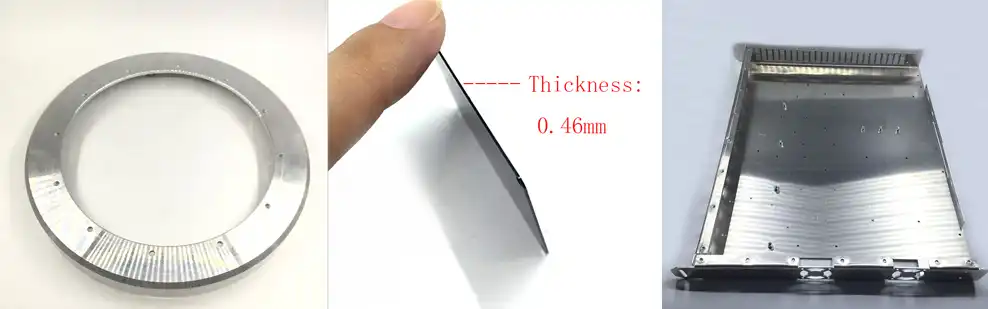
How to Choose the Right Custom CNC Machining Supplier
Essential Certifications and Technical Capabilities
Quality badges show that a provider is dedicated to following strict procedures and always making things better. In ISO 9001, basic quality management systems are shown. In AS9100, rules for traceability and configuration management are added that are specific to aircraft. Medical device companies should give more weight to partners that have ISO 13485 approval. This will make sure that they follow all FDA and foreign rules.
Check more than just certificates to see how technically skilled someone is. Does the supplier's tech team have more than fifteen years of experience with machines? Can they suggest cheaper alternatives to the materials that won't hurt the performance? When engineers talk to each other directly, there are no mistakes that cause parts to be rejected or dates to be missed. We keep working together by looking over plans before giving quotes and offering changes to the design that make it easier to make.
Evaluating Pricing Transparency and Lead Time Reliability
It's bad for project funds and ties with suppliers when there are hidden costs. Ask for prices that break down the costs of materials, time spent cutting, the wear and tear on tools, and the steps needed for finishing. Know that tight standards, unusual materials, and complicated shapes need special tools and slower feed rates, which affects the price. Transparent sellers tell you about these things up front instead of adding extra fees at delivery.
Lead times must match up with project plans. A provider that says they can turn around simple parts in three days shows they can respond quickly. On the other hand, realistic deadlines for complicated assemblies keep work from being rushed and quality from being compromised. Our team usually finishes making samples within a week, and we offer faster services for prototypes that need to be made right away. Procurement managers can make better plans when they know about capacity limits and production lines.
Comparative Supplier Analysis and Customer Feedback
Custom CNC Machining reputation in the field is important. Look for companies that work in similar fields and have confirmed case studies that show they have the right kind of experience. A machining partner who is great at making consumer electronics might not know enough about regulations for medical implants. On the other hand, an aerospace-only seller might find it hard to meet the cost goals and number flexibility needed for industrial automation projects.
Testimonials from customers show the pros and cons of a business. Instead of just giving general praise, find particular performance markers like the percentage of on-time deliveries, the rate of defects, and the time it takes to answer engineering questions. Procurement managers should ask for examples from clients who have worked on similar projects and directly ask about how to solve problems when they come up.
Overcoming Common Challenges in Custom CNC Machining Procurement
Addressing Tolerance Interpretation and Specification Clarity
Ordering Custom CNC Machining drawings that aren't clear leads to expensive mistakes. Managers in charge of buying things need to make sure that engineering teams list the important measures using the right geometric standards for measurements and tolerances. It's possible for a feature marked with ±0.1mm to work properly with less strict limits, which would save money and time. If you don't specify the surface finish needed on closing surfaces, on the other hand, leaks and field failures can happen.
These problems are found before production by having customer engineers and machine experts work together on design reviews. During the quotation process, talking about areas of high material stress, limited tool access, and checking methods keeps shocks at bay. We ask customers to give us functional needs instead of just measurements. This lets our team come up with the best ways to make things that balance cost, quality, and delivery time.
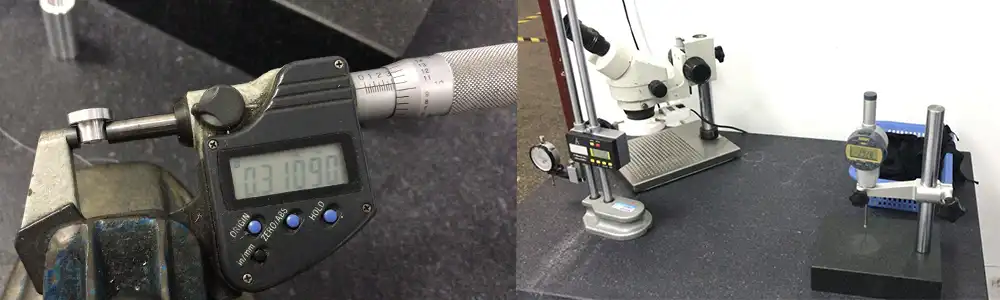
Building Effective Communication Protocols
Language hurdles and different time zones make it hard for people in different time zones to work together in global supply lines. Setting up clear rules for conversation lowers these risks. Set up a single point of contact on each side who can make expert choices. Use shared tools to make changes to drawings and keep track of revisions in real time. Make sure that everyone is using the most up-to-date information.
Regular reports on the project's progress keep everyone in the loop. For long production runs, weekly success reports keep plan changes from being made at the last minute, which would have an effect on operations further down the line. When quality problems arise, they are reported right away with picture proof and measurement data, which allows for quick root cause analysis. Our one-on-one communication model cuts out the middleman and puts customer experts in direct contact with our manufacturing specialists, so problems can be solved quickly.
Risk Mitigation Through Quality Assurance and Contingency Planning
Even great providers have problems from time to time. Contingency buffers for prototype stages and dual-source qualification for key production parts are both important parts of good buying strategies. Before agreeing to bigger orders, make sure the process works by asking for first article inspection reports with full measurement data. Checkpoints for in-process checking find problems early, when fixing them costs the least.
When following the rules is important, material tracking becomes very important. Each package must come with a mill certificate that lists the materials used and their mechanical and chemical qualities. Proof of agreement can be found in records of heat treatment, measures of plating thickness, and salt spray test results. We keep detailed records of our quality control, and if a problem is noticed within a month, we'll remanufacture it within a week and pay for the shipping, so the customer doesn't have to pay anything extra.
Future Trends Shaping Custom CNC Machining in Niche Markets
Industry 4.0 Integration and Smart Manufacturing
Custom CNC Machining in specialty markets: Future Trends using Industry 4.0 and smart manufacturing together. IoT-enabled machines send performance data to analytics platforms all the time. These platforms use the data to predict tool wear, find the best cutting settings, and plan preventative repairs that will be done before problems happen. AI programs look at past production data and suggest ways to improve processes that cut down on cycle times without lowering quality. Because of these improvements in technology, prices are lower, lead times are faster, and customers get more consistent results.
Machine vision and laser scanning are used in automated inspection systems to check the accuracy of dimensions faster than by hand and keep full quality records. Digital twins mimic machining processes before they are actually done. This helps find problems like crashes or deflections before they happen. These features are especially helpful for complicated shapes that are hard to program with regular methods, making more patterns possible.
Localized On-Demand Manufacturing Networks
Distributed production models make transportation easier and cut down on carbon emissions. Regional machine networks move capacity closer to customer engineering teams instead of putting all of the production in faraway factories. Because they are close, they can work together face-to-face during the development process and respond more quickly to changes to the design. Local clients can now get samples the same day they order them, which speeds up the decision-making process.
On-demand production cuts down on the costs and risks of failure that come with keeping stock. Procurement managers don't keep a lot of extra special parts on hand; instead, they order just the right amount at the right time to match the plan for assembly. Cloud-based platforms link design files, available capacity, and transportation planning, making the process of getting a part from the CAD model to the customer smooth. Suppliers who put money into digital systems and flexible business models will benefit from this change.
Strategic Supplier Development and Partnership Models
Transactional buying relationships give way to strategic agreements where sellers help come up with ideas for products by sharing their tech knowledge. Early input helps find ways to cut costs, make things easier to make, and use different materials before the plans are set in stone. These partnerships are made official with joint development deals, which align incentives around creativity instead of just unit price.
Long-term relationships let suppliers buy specialized tools, committed capacity, and quality standards that are made to fit the needs of each customer. Commitments to buy a lot of something make these investments worthwhile because they keep prices stable and give you priority ordering. When procurement companies build these kinds of connections, they get a competitive edge through faster development processes, better quality, and a supply chain that can handle problems in the market.
Conclusion
Custom CNC Machining using computer-controlled processes has completely changed how niche businesses create and make unique parts. When you combine the ability to change materials and shapes quickly with the ability to make things, you can come up with new ideas that weren't possible before. When purchasing managers know how to set clear standards, understand what machines can do, and build strategic relationships with suppliers, they can gain big competitive benefits. Custom CNC Machining will continue to be a key part of making new products in the aircraft, medical, automobile, electronics, and industrial equipment industries as digital technologies and distributed manufacturing networks change. To be successful, you need to find a balance between technical needs and business facts. You also need to work with suppliers who are more like partners in production than just sellers.
FAQ
What materials work best for custom CNC machining projects?
What kinds of materials do Custom CNC Machining projects work best with? Strong mechanical qualities make metals like aluminum alloys, stainless steel, brass, and titanium easy to work with. For specific uses, high-performance plastics like PEEK, Delrin, and nylon withstand chemicals and keep electricity from flowing. The choice of material is based on its purpose, such as its power, ability to withstand high temperatures, and compliance with regulations.
How do tight tolerances affect project costs and timelines?
How do tight specifications change the prices and schedules of a project? When tolerances are tight, cutting speeds have to be slowed down, tools have to be changed more often, and more checking steps have to be added. This makes the cost and wait time go up. Things that are toleranced to ±0.01mm cost a lot more than things that are toleranced to ±0.1mm. Working together on design reviews can help you figure out which features really need close attention and which ones can get by with normal limits.
Can CNC machining replace 3D printing for prototyping?
Can Custom CNC Machining be used for testing instead of 3D printing? Compared to most 3D printing technologies, Custom CNC Machining makes things from real production materials that have better mechanical qualities and surface finishes. Subtractive manufacturing makes working prototypes that can be used for validation testing and trial production runs without sacrificing material quality. Additive manufacturing is better at making parts with complex internal geometries.
Partner with RYH for Your Custom CNC Machining Needs
RYH is ready to be your reliable Custom CNC Machining supplier. With seventeen years of experience making high-quality products and technical know-how that turns difficult requirements into reliable parts, they are the best at what they do. Our model of direct contact between engineers clears up any confusion, and our quick reaction protocols get quotes to you within hours and samples to you within a week. We take care of projects from the first samples to mass production, keeping standards of less than one micron for both metals and plastics, and making sure they are FDA-compliant and fully certified. Our fast remanufacturing promise takes care of any quality issues quickly, and global door-to-door delivery makes sure your parts get to you on time. Contact bill@bldmachining.com right away to talk about how our precision machining services can help you speed up the development of your next idea. Visit ryhkj.aixdb.cn to learn more about our full range of services and find out why top companies in the electronics, aircraft, medical, and car industries trust RYH to provide them with mission-critical parts.
References
1. Gibson, I., Rosen, D., & Stucker, B. (2021). Additive Manufacturing Technologies: 3D Printing, Rapid Prototyping, and Direct Digital Manufacturing. Springer International Publishing.
2. Kalpakjian, S., & Schmid, S. R. (2020). Manufacturing Engineering and Technology (8th ed.). Pearson Education.
3. Society of Manufacturing Engineers. (2019). Fundamentals of CNC Machining. SME Media.
4. Groover, M. P. (2020). Fundamentals of Modern Manufacturing: Materials, Processes, and Systems (7th ed.). John Wiley & Sons.
5. American Society for Quality. (2018). Quality Management Systems for the Aerospace Industry: AS9100D Explained. ASQ Quality Press.
6. Medical Device Innovation Consortium. (2022). Precision Manufacturing Standards for Medical Device Components: Regulatory and Technical Guidelines. MDIC Publications.
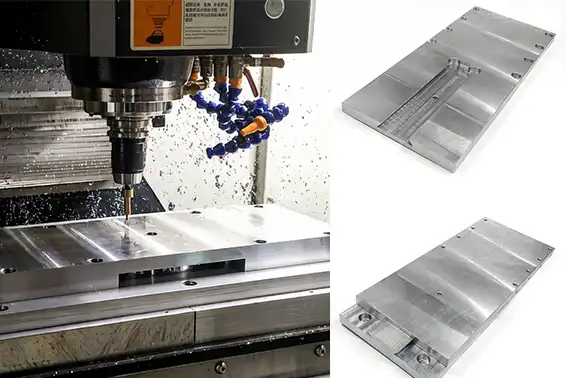
CNC Machining is the best way to make sure that metal parts are machined precisely and always fit correctly. With tolerances as small as ±0.01 mm, this computer-controlled manufacturing method turns raw metal into exact copies of your digital plans. CNC technology, on the other hand, gets rid of human error and keeps the standard of every part the same, whether you're making one sample or thousands of units for mass production. CNC Machining gives engineers and procurement teams the accuracy, freedom, and speed that modern industry needs, even when they have to meet tight deadlines and strict standards.
Understanding CNC Machining and Its Core Benefits
CNC Machining uses computer-programmed directions to control cutting tools that make exact parts out of metal. The process starts with CAD files that turn your design into machine orders that very precisely guide multi-axis tools through complicated cutting paths.
How Computer-Controlled Manufacturing Works
Modern CNC centers have three, four, or five axes, which let tools approach workpieces from different directions at the same time. With this feature, we can make complicated geometries like internal channels, undercuts, and complex contours all in one setting. The technology cuts down on the time needed for handling and keeps the dimensions stable throughout production.
These machining centers are used 24 hours a day, seven days a week at our plant. They have real-time tracking systems that find problems before they become defects. When a cutting tool starts to wear down, sensors let workers know right away. This makes sure that every part meets the limits you set.
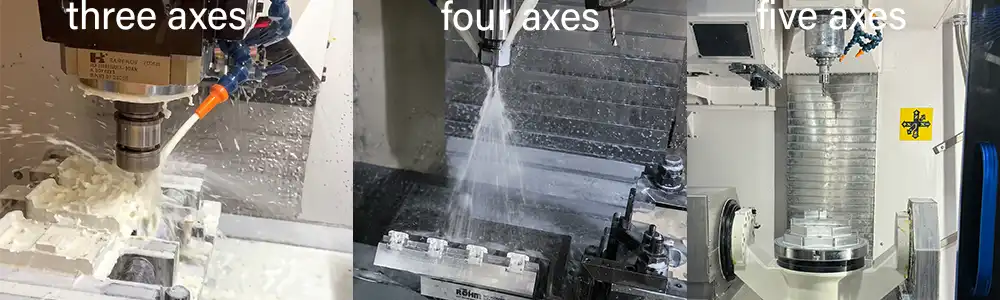
Key Advantages for Product Development Teams
Because CNC methods are flexible, they can solve a number of problems that come up in custom making. Tooling prices stay low compared to molding or casting, which speeds up the development of prototypes. You can try more than one design version in days instead of weeks, which cuts down on the time it takes to start your product.
Another big benefit is that the material can be used in many different ways. Whether you need aluminum 6061 for its strength and light weight, stainless steel 304 for its resistance to rust, or SS316 for its medical-grade biocompatibility, CNC equipment can work with a wide range of metals without having to change the way it does things. Different types of surface finishes, such as machine-finished, anodized, or electroplated, can be used and look good at the same time.
Repeatability makes sure that the same things are made in each run. Once the code is checked, machines will keep making the same parts over and over, so the standard will stay the same whether you order ten or ten thousand. With this scalability, you can go from testing a prototype to pilot production to full-scale production without having to switch sources or methods.
Comparing CNC Machining with Alternative Manufacturing Methods
To pick the right manufacturing technology, you need to know how the different methods fit the goals of your project. Each way has its own pros and cons that affect cost, lead time, and how well the part works.
CNC Versus Manual Machining
For manual machining to work, skilled people must use hand wheels and switches to move the machinery. Even though artists do good work, human factors make it different. Measurements can be interpreted in different ways, and accuracy is lost during long production runs due to tiredness. Digital control in CNC gets rid of these flaws, allowing for better tolerances and faster run times. CNC Machining cuts down on setup time and improves measurement accuracy across all features of complicated parts that need to be made in more than one step.
CNC Compared to Additive Manufacturing
Layer-by-layer building is possible with 3D printing, which lets you make things with natural shapes. Post-machining is often needed for metal additive processes, though, to get the useful standards and surface finishes that are needed. It's possible that the strength of the material won't match the strength of cast or polished metal, and making bigger parts takes a lot longer. For structural uses and high-stress situations, CNC Machining creates fully dense parts with better mechanical qualities.
Advantages Over Molding and Casting
Injection molding and die casting are great for making a lot of things, but they need expensive tools that keep plans from changing. Changes take longer and cost more because they need new molds. CNC Machining doesn't need any hard tools because design changes are made through software changes that can be put into action within hours. This adaptability is very helpful during the development stages, when requirements change based on feedback from tests. When making less than 10,000 units a year, CNC methods often have better costs than tooled processes.
The comparison shows that CNC Machining works best for parts with a medium level of complexity that need to be made with tight tolerances in low to medium numbers, with the possibility of design changes occurring during the product's lifecycle. Most uses for custom parts in industrial tools, medical devices, and precise instruments fall under these categories.
The CNC Machining Process in Custom Metal Manufacturing
Knowing how CNC manufacturing works can help you make better plans and talk to providers more clearly. From the computer file to the finished part, the process is organized into steps.
Design Preparation and CAM Programming
Before cutting starts, engineers look over your CAD files to find problems that might come up during production. This Design for Manufacturability (DFM) study finds problems like parts that are too small to reach, standards that are too tight, or walls that are too thin and easily bend. We give straight feedback from engineer to engineer, offering changes that lower costs and make things more reliable without affecting how they work. Our team has an average of more than fifteen years of technical experience, so our suggestions are based on real-world machine experience rather than theoretical limits.
Then, CAM software makes toolpaths, which tell the machine how to move. Based on the qualities of the material and the finish that is wanted, programmers choose the right cutting tools, speeds, and feed rates. Before any metal cutting starts, simulation software checks programs online to make sure they won't cause any collisions.
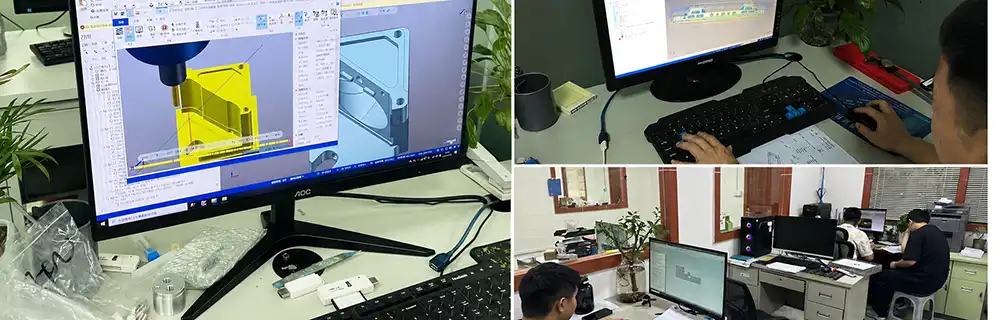
Material Selection and Setup
The alloy 6061 aluminum is easy to work with, strong, and light. It also reacts well to anodizing, which protects against rust. Stainless steel 304 is better at resisting rust and can be used in food machines and buildings. Adding molybdenum to SS316 makes it more resistant to chemicals, which makes it perfect for marine settings and medical equipment that need to be biocompatible.
Spectrometers are used to check the alloy makeup of raw materials when they come in to make sure they meet standards. This quality gate keeps parts from getting mixed up, which could affect how well they work. Then, machinists put the pieces of work in supports that keep them from moving around and still let cutting tools get to them.
Machining Operations and Quality Control
CNC centers follow pre-programmed toolpaths to remove material by cutting, turning, or boring. Multi-axis powers let you make a whole part in a single setup, keeping the geometric relationships between features tight. For parts that need to be both turned and milled, we use turning-milling centers, which can do both without having to be re-fixed.
Calipers, micrometers, and profile projectors are used for in-process checking at key points. Before moving on to the next task, operators make sure that the measurements match the limits. This delayed proof keeps parts from being thrown away too late in the production process, when they can't be fixed.
After initial machining, secondary steps are done. Deburring gets rid of sharp edges so they are safer to handle and fit together correctly. Anodizing and other surface processes make metal parts more resistant to corrosion and give you more color choices. Passivation is a chemical process that cleans stainless steel by getting rid of free iron and adding an oxide layer that keeps the steel from rusting.
Final Inspection and Documentation
In CNC Machining, Coordinate Measuring Machines (CMMs) are used for complicated geometries to perform a full check of the dimensions of finished parts. CMMs measure many spots on a surface and compare the results to CAD models with accuracy down to the micron level. Surface roughness testers make sure that the quality of the finish meets certain Ra values.
Shipments come with paperwork, like dimensional reports, material certificates, and traceability records (if needed for controlled sectors). As long as we have ISO 9001 certification, our quality control systems will keep track of every step of the production process, from receiving the materials to delivering the finished product.
Advancements in CNC Machining Technology and Their Impact
CNC Machining machines today have a lot of new features that make them much more useful and efficient than machines from even five years ago. Customers gain from these big steps forward in technology because they mean better products and shorter lead times.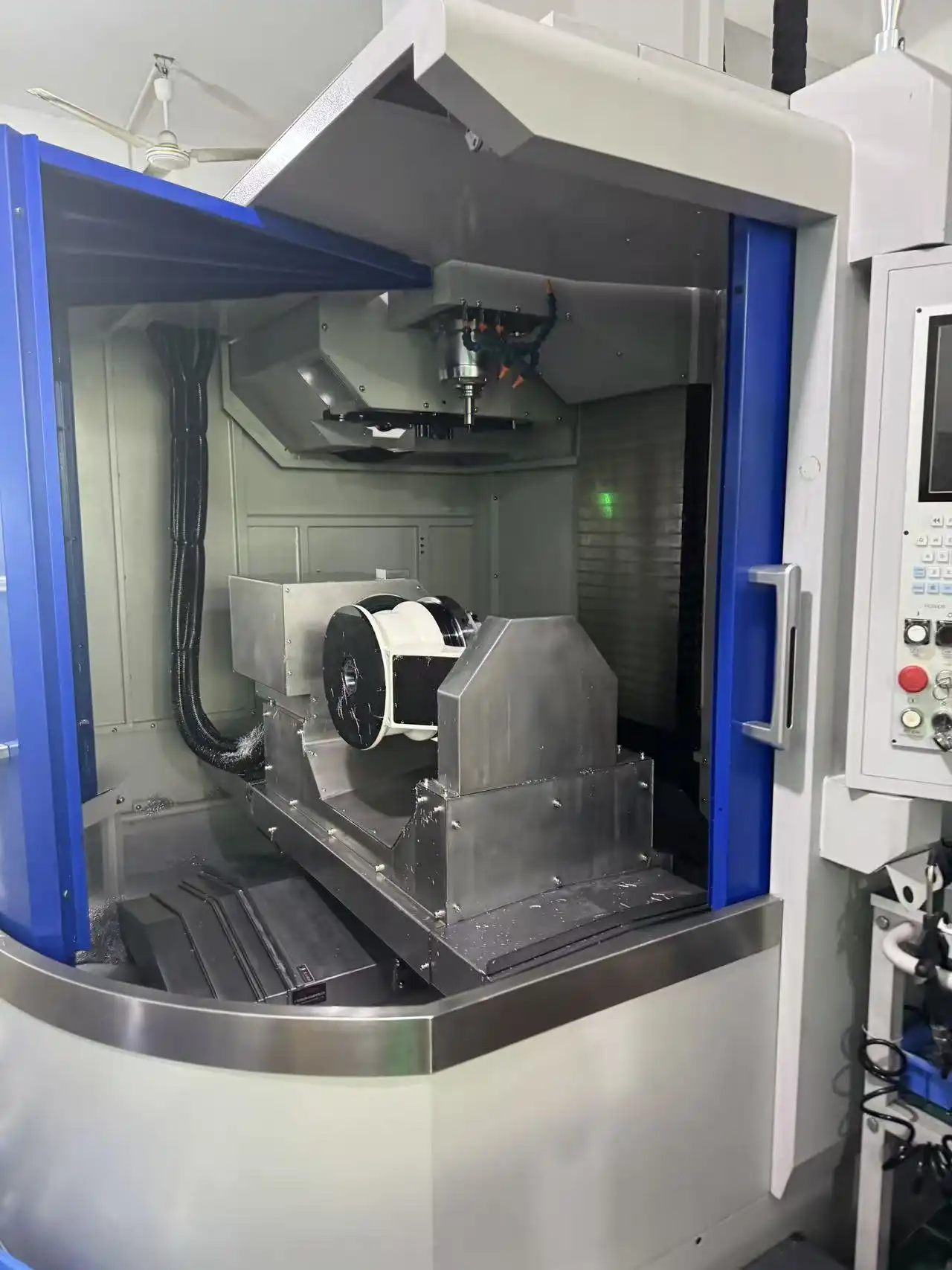
Multi-Axis Machining Capabilities
Five-axis machining centers can turn and spin workpieces while they are being cut, so they can reach angles that aren't straight on. This feature cuts down on setup times, keeps standards tighter, and lets you do undercuts that you couldn't do with three-axis equipment. Swiss-type lathes are great for making precise parts with small diameters (up to 25 mm), which makes them perfect for medical tools and electronic connections. Our six Swiss CNC lathes make parts with surface roughness below 0.8 μm and tolerances of ±0.01 mm.
Automation and Smart Manufacturing
Robotic filling systems can work without lights, so they can be left alone at night and on the weekends. Automated tool changes keep magazines full of dozens of cutting tools and quickly switch them out when the program tells them to. This automation makes better use of machines while cutting down on worker costs, which we pass on to our customers through low prices.
IoT connection connects tools to business systems, which lets them be watched over in real time during production. Managers keep an eye on the progress of jobs from afar and find problems before they cause packages to be late. Predictive maintenance algorithms look at patterns of sound and tool wear to schedule maintenance for planned breaks instead of after something goes wrong without warning.
Advanced Software Simulation
Simulation software has changed from just finding collisions to fully optimizing whole processes. Now, programs figure out cutting forces, guess how much the tool will bend, and suggest changes to the parameters that will improve the finish and make the tool last longer. Thermal modeling predicts that the sizes of workpieces will change as they heat up during cutting, and it changes the toolpaths automatically to keep the limits.
These improvements in technology will help your projects in real ways. Complex parts that used to need more than one setting can now be machined all at once. Automation speeds up production, which cuts down on lead times. Smart systems catch problems before they make bad parts, which raises the quality.
Selecting the Right CNC Machining Partner for Your Business
In addition to price quotes, you need to look at a number of other important factors to find a provider that meets your professional and business needs. The right partner becomes an extension of your engineering team, adding knowledge that makes ideas better and speeds up development.
Technical Capability Assessment
Check the equipment's skills against the needs of your components. Does the seller have the right kinds of machines, like mills, lathes, and Swiss machines, with the right number of axes? See if the size limits fit the sizes of the parts you need. Make sure the materials you can get have the grades your purpose needs. Find out if extra tasks are done in-house or by someone else. Being in charge of the whole workflow makes the plan more reliable.
Certificates show that quality methods have been in place in CNC Machining for a while. ISO 9001 shows how to use written rules to make sure that processes are always the same. Standards that are specific to an industry, like AS9100 for aircraft or FDA registration for medical products, show that you know how to follow the rules.
Engineering Support and Communication
Direct contact between engineers gets rid of the language mistakes that happen on projects that are run by sales reps who don't know much about the technical side of things. Our production engineers have an average of over twelve years of experience in machining, and they can talk to clients directly about specs, tolerances, and how to make the process run more smoothly. This means that you can get useful ideas based on a real understanding of manufacturing instead of general advice.
DFM feedback during bidding finds cost drivers before a promise is made. Making simple changes, like expanding fillet radii, loosening non-critical standards, or reorienting features, can cut cutting time by a large amount without changing how the part works. Suppliers who offer this helpful method show that they are serious about building partnerships, not just taking orders.
Prototyping Speed and Production Flexibility
Short development processes are sped up by making prototypes quickly. Samples are usually ready in a week, and easier parts are ready in three days. Because it is flexible, you can make changes to designs quickly and test ideas before finishing the specs. Production flexibility helps your business grow because you can go from validating a prototype to full production without switching providers or going through the approval process again.
Quality Assurance and Risk Management
Full testing skills make sure that parts meet requirements. Look for more than just normal measuring tools. You should also look for CMM capacity, surface roughness tests, and equipment for verifying materials. Ask how often the inspections happen (100% checking vs. sampling) and what paperwork comes with the packages.
Support after the sale shows that you really want your customers to succeed. We stand behind our work and will remanufacture broken parts for free within one week if problems happen within the same month. There are also shipping costs for substitutes that are our duty. This promise shows that you trust the quality systems and takes away the financial risk of starting a relationship with a new provider.
During important projects, visual production openness helps build trust. If you ask, we can send you photos and videos of your parts being machined so you can check the quality and progress before they are shipped. This willingness to be open is especially helpful when making new goods, since seeing is believing.
Global Logistics and Delivery
International shipping is important for buyers from other countries. With door-to-door delivery service, you don't have to worry about borders or coordinating freight transfer. Depending on how quickly you need it, flexible shipping choices weigh speed against cost. When you combine small orders, you can save money on freight costs for sample amounts. Logistics that work well finish the value chain and make sure that parts reach on time, no matter how far away they are.
It's better for procurement managers to work with suppliers who know everything about the project, including the technical needs, time limits, price constraints, and quality expectations. By judging partners on these factors, you can find makers who can help your business succeed in more ways than just making parts.
Conclusion
CNC Machining is the most accurate, flexible, and reliable way to make unique metal products in any industry. Modern product development can't happen without this technology, which can make complex shapes with very tight specs, work with a wide range of materials, and go from samples to mass production. Smart manufacturing, automation, and multi-axis tools are all making progress that keeps increasing capabilities while lowering costs and wait times. If you choose the right machining partner—one that offers technical knowledge, quality systems, and quick communication—manufacturing goes from being a necessary evil to a strategic benefit that speeds up innovation and market success.
FAQ
What tolerances can CNC machining achieve for metal parts?
Standard CNC Machining keeps limits of ±0.02 mm for most jobs, which is what ISO 2768 says should happen. For small parts that need to be very accurate, Swiss-type CNC turning can achieve even higher accuracy to ±0.01 mm. The actual ability depends on the shape of the part, the properties of the material, and how well the process is controlled. However, modern equipment always achieves micron-level accuracy, which is good for difficult fields like medical devices and military parts.
How quickly can I receive prototype parts after submitting drawings?
After the picture is approved and the order is confirmed, most prototypes are made within a week. Geometries that are simpler and need fewer processes usually ship in three days. Lead time relies on the current production plan, the complexity of the part, the availability of materials, and any extra steps that need to be taken, such as surface treatments. It is still possible to respond quickly to good code, flexible scheduling, and managing the queue in a way that gives priority to important development projects.
Can CNC machining handle both metal and plastic materials?
Yes, CNC Machining machines can work well with both metal and non-metal materials. Aluminum alloys, stainless steel grades, brass, and titanium are all common metals. When the right cutting conditions are used, engineering plastics like PEEK, Delrin, and nylon can be machined in the same way that metals are. The type of material used is determined by its strength, weight, resistance to rust, temperature range, and compliance with regulations such as FDA food-safe approval.
What makes CNC machining cost-effective compared to other methods?
CNC Machining cuts down on the cost of expensive tools needed for molding or casting, which makes it a good choice for small to medium production runs. Instead of changing the tools themselves, design changes are made through software updates, which lowers the cost of engineering changes. Automation boosts productivity while keeping quality, lowering the costs of waste and mistakes. When you look at setup costs and the cost of keeping inventory, CNC Machining usually has a better total cost than tooled methods for amounts less than a few thousand units per year.
RYH: Your Trusted CNC Machining Manufacturer for Custom Metal Components
Picking the right precision CNC Machining partner affects how well your product does in the future. RYH blends advanced manufacturing with engineering-driven customer service to make custom metal and plastic parts that meet strict standards in a wide range of businesses.
Since 2008, we've been specializing in fully customized mechanical processing based on customer drawings. We work with aerospace companies, medical device companies, medical equipment makers, and car suppliers all over the world. Our 3-axis, 4-axis, and 5-axis CNC Machining centers can work with aluminum 6061 and stainless steel 304 to SS316. They can achieve tolerances of up to ±0.02 mm, or even better, up to ±0.01 mm for precise small parts using Swiss CNC Machining.
What makes RYH unique is that it allows direct technical contact without middlemen. Our engineers, who have an average of fifteen years of hands-on machine experience, look over your designs, provide DFM optimization, and suggest useful ways to choose materials, change structures, and treat surfaces. From the first price to the final delivery, this collaborative method cuts down on mistakes, shortens lead times, and makes it easier to make.
We answer questions quickly and keep project management open during production. Usually, samples are ready in one week, and easier parts are ready in three days. Our ISO 9001-certified quality system makes sure that the results are the same whether you buy a few samples or a lot of them. Before shipping, every measurement is checked thoroughly with a CMM, height gauges, calipers, and profile projectors.
Production openness helps build trust during important projects; if you ask, we can send you photos and videos of parts being machined. If there are problems with the quality within the same month, we will remanufacture replacements within one week and ship them to you for free. This promise takes away the chance of working with new suppliers.
RYH is a reputable seller of CNC Machining and provides a full range of surface finishing services, such as anodizing, sanding, passivation, and electroplating. Our door-to-door foreign logistics take care of customs and freight handling, bringing parts to your building no matter where it is.
Email bill@bldmachining.com right now to talk about your needs for unique metal making. Send us your drawings and specs so we can give them a thorough professional look and give you a reasonable quote. Our engineering team can show you how precision CNC Machining can help you make new products faster while still keeping the quality that your users need.
References
1. Kalpakjian, S., & Schmid, S. R. (2014). Manufacturing Engineering and Technology (7th ed.). Pearson Education.
2. Groover, M. P. (2020). Fundamentals of Modern Manufacturing: Materials, Processes, and Systems (7th ed.). Wiley.
3. Boothroyd, G., Dewhurst, P., & Knight, W. A. (2011). Product Design for Manufacture and Assembly (3rd ed.). CRC Press.
4. Stephenson, D. A., & Agapiou, J. S. (2016). Metal Cutting Theory and Practice (3rd ed.). CRC Press.
5. Mattson, C. A., & Sorensen, C. D. (2020). Product Development: Principles and Tools for Creating Desirable and Transferable Designs. Springer.
6. Lynch, M. (2017). CNC Programming Handbook: A Comprehensive Guide to Practical CNC Programming (3rd ed.). Industrial Press.
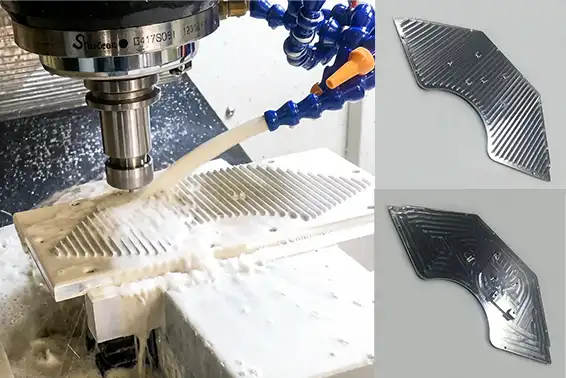
Precision CNC Machining is a revolutionary method of making unique parts, in which computer-controlled tools remove material from metal or plastic workpieces to produce parts with very precise dimensions. For businesses that need precision, complexity, and tolerances that are often ±0.005mm or smaller, this way of making things is now essential. Understanding how Precision CNC Machining works and how to best use it can have a huge effect on the success, cost-effectiveness, and time-to-market performance of your project, whether you're making samples or increasing the number of items you make.
Understanding Precision CNC Machining
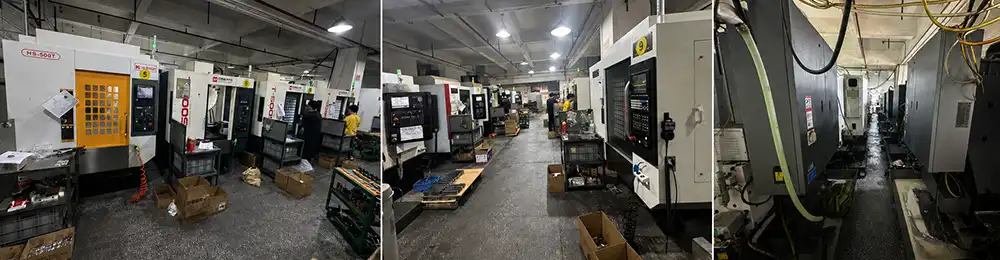
What Makes Precision CNC Machining Different
When people do traditional machining, they control the cutting tools by hand. But in Precision CNC Machining, multi-axis machines follow pre-programmed directions through complex cutting paths. This automation gets rid of the variability caused by human mistakes and makes it possible for thousands of similar parts to all have the same dimensions. Standard CNC and Precision CNC Machining are mostly different in the kinds of tools they use and how they handle the process. For precision versions, high-rigidity machine frames, heat stability systems, and advanced spindle technologies are used to keep accuracy at the micron level during long production runs. These machines usually have four or five axes, which let them cut at the same time from different directions and make complex shapes that can't be made with three-axis tools.
Material Selection and Machining Considerations
The choice of material has a big effect on both the cutting strategy and the performance of the end part. Aluminum alloys like 6061-T6 are most often used in places where good machinability, corrosion resistance, and anodizing compatibility are needed. This makes them perfect for medical device cases and aircraft housings. Aluminum 7075-T6 or stainless steel types like 316L have better mechanical qualities when strength is more important than weight. Engineering plastics like PEEK and Delrin are used in situations where electrical protection, chemical resistance, or FDA compliance for parts that come into contact with food are needed. When machining, each material has its own problems. For example, metal produces heat that needs to be cooled down quickly, and some plastics need special tools to keep them from melting or warping. Knowing these details helps buying teams choose the right materials during the planning phase, so they don't have to make expensive changes later.
Tolerance Requirements in B2B Manufacturing
Machining limits say how much the real measurements can differ from the planned dimensions. ISO 2768-medium class tolerances (±0.1mm for smaller features) are fine for surfaces that aren't very important, but useful interfaces like bearing bores or joining surfaces usually need tolerances of ±0.01mm or tighter. To meet these requirements, you need coordinate measuring machines (CMM) for checking, inspection areas with controlled temperatures, and studies of the process's capabilities that show statistical control. Professionals in procurement should know that setting limits that are too tight for all features increases costs without adding any functionality. Strategic tolerance assignment—tight where it's needed, loose where it's not—adjusts the cost of production while still ensuring product performance.
Benefits and Applications of Precision CNC Machining
Core Advantages for Product Development Teams
Precision CNC Machining is useful for more than just making sure that measurements are correct. Repeatability is very important—once a program has been tested, it's possible to keep making the same parts without losing quality. This consistency is very important in fields like medical devices, where following the rules about how to make things rests on using tried-and-true methods. Material optimization saves money because CNC programming cuts down on waste compared to doing things by hand. Rapid iteration speeds up development processes; changes to designs only need to be made to the program, not the whole system. Another important benefit is that production can be scaled up or down easily. The same process that can handle trial amounts of five units can easily handle production volumes of five thousand units without any major changes to the way it is done.
Lead time compression might be the most useful benefit for jobs that need to be done quickly. We usually finish trial samples in three to seven days, which lets us test the design and make sure it works, while our rivals are still weeks away from making their first products. This ability to respond quickly has become very important for engineering teams that have to meet tight launch dates, especially in the consumer goods and car industries, where market windows close quickly.
Industry Applications Across Sectors
Precision CNC Machining is an important part of many different production settings. Aerospace parts need to have very high strength-to-weight ratios and be able to handle high temperatures and vibrations. Titanium and aluminum parts that are precisely made meet these needs and keep their shape over time. Medical device makers count on CNC accuracy for making surgery instruments, implantable parts, and monitoring tools that must be biocompatible and resistant to sterilization. As cars become more electric, there is a huge demand for precise battery housings, heat management components, and lightweight structure elements. The accuracy of these dimensions has a direct effect on how well they are put together and how safe the final product is.
Design Optimization and Collaboration Best Practices
Design for manufacturability (DFM) study is the first step in making sure that a precision machining job will go well. Sharp internal corners cause stress clusters and need small-diameter tools that slow down the cutting process. Specifying radius corners makes the part stronger and speeds up production. When you cut thin wall pieces that are less than 0.5 mm thick, they might bend, which could cause differences in size. To keep the accuracy, you can add localized reinforcement or change the shape. For deep-pocket features, you might need special long-reach tools or multiple setup processes, which add to the cost and wait time. Including production partners early in the design process helps you think about these things before the drawings are finalized, which saves you a lot of money on changes later on.
Direct contact between engineers gets rid of the translation mistakes that happen when middlemen don't know enough about the technical side of things. During the quoting process, we encourage customers to talk about different materials, rationalizing tolerances, and surface finish needs. This conversation often leads to cost-saving possibilities that don't affect usefulness. Giving 3D CAD models along with 2D drawings speeds up programming and clears up any confusion about what the drawings mean. This cuts down on project timelines and improves the accuracy of the first piece.
Comparing Precision CNC Machining with Other Manufacturing Methods
Precision CNC Versus Conventional Manual Machining
In traditional hand machining, the skill of the user determines where to place the cutting tools and how fast they move, which causes variations in the parts and limits the level of complexity. Setup times for manual processes can be longer than the real time it takes to machine something, which makes it hard to afford to make small batches. Precision CNC Machining gets rid of these problems by changing tools automatically, programming cutting settings, and running the machine without being there. Manual machining might work for one-off special fixes or parts that are too big for a CNC machine to handle, but it can't provide the repeatability and paperwork needed for industries that are controlled. The point where costs start to diverge is usually between 10 and 20 units. After that, CNC performance becomes more important than programming expense.
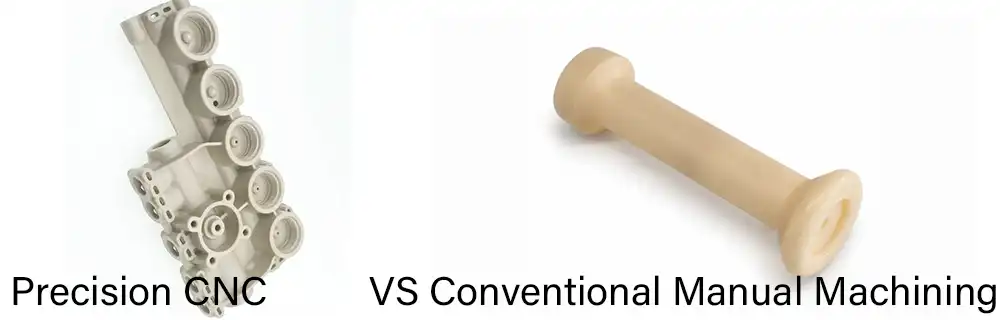
CNC Machining Versus Additive Manufacturing
3D printing methods, such as selective laser sintering (SLS) and fused deposition modeling (FDM), let you change the shape of the parts in ways that aren't possible with subtractive methods. This makes them good for making organic forms and internal grid structures. However, additive methods usually lead to a rougher surface finish, lower mechanical strength (because layers don't stick together as well), and measurements that are off by at least 0.1 mm. The qualities of the material are very different from cast or extruded stock. Printed parts often have anisotropic behavior, which means that their strength changes depending on how they are assembled. When function, surface quality, and tight tolerances are more important than physical complexity, CNC cutting is the best way to go. A balanced way to build products is to use a mix of 3D-printed samples for form validation and CNC-machined working prototypes.
High-Precision Versus Standard CNC Capabilities
Not all CNC cutting is as precise as others. For general manufacturing work, standard CNC equipment keeps tolerances of about ±0.05mm, which is good for making structural frames and non-critical enclosures. High-precision machining centers have linear motor drives, glass scale feedback systems, and thermal adjustment routines that let them work with ±0.01mm tolerances all the way around. These features come at a higher cost, but they are necessary for parts like valve bodies, optical mounts, and sensor parts where accuracy in size affects function directly. Knowing your exact range needs will keep you from paying too much for accuracy that you don't need while still making sure that important features meet your requirements.
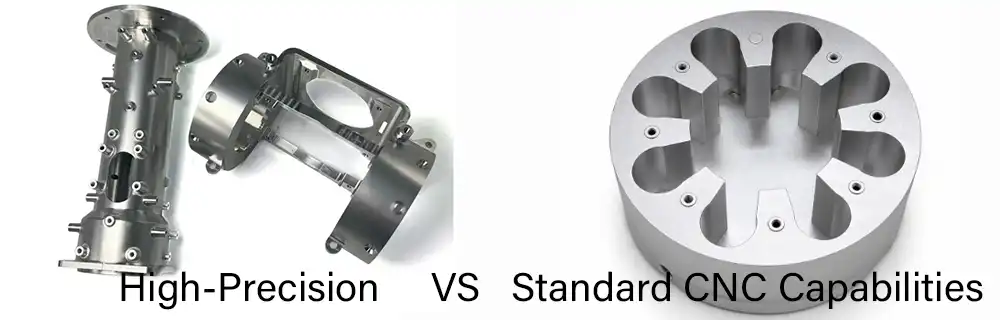
How to Select and Procure Precision CNC Machining Services
Essential Supplier Evaluation Criteria
Quality standards give people a basic level of trust in how processes are controlled and documented. Systematic quality management is shown by ISO 9001 approval, while AS9100 (aerospace) and ISO 13485 (medical devices) show agreement with specific industry standards. In addition to certificates, you should look into the seller's real equipment. For example, does the supplier mostly use 3-axis mills or 5-axis machining centers? What kinds of checking tools can be used for measurement verification? The ability to measure with a CMM, surface roughness testers, and hardness testers shows how sophisticated the measurement is. You can look at the surface finish, edge conditions, and measurement accuracy of parts from projects that are similar to yours by asking for samples. References from current customers in your industry can tell you a lot about how well you communicate, solve problems, and make sure your deliveries are on time.
Pricing Structure and RFQ Development
Material costs, processing time, machine runtime, tooling costs, and finishing processes are all part of CNC cutting costs. The prices of materials change with the markets for commodities. For example, metal costs less than titanium or specific plastics. Programming is a set cost that is spread out over the number of items that are made. Complex shapes that need multi-axis toolpaths make this investment bigger. Runtime is directly related to how complicated the part is and how close the tolerances need to be. Tighter tolerances require slower feed rates and more finishing passes. Treatments on the surface, such as anodizing, powder coating, or passivation, add separate costs to each working batch. For RFQs to be useful, they need to include 3D models, tolerance callouts, material specs, finish requirements, and goal amounts at different volume breaks. Because it is so thorough, quotes can be made accurately, and revision processes are kept to a minimum.
Supply Chain Process and Timeline Management
Vetting Global Manufacturing Partners
When choosing a geographic source, you have to think about cost, contact, and logistics. While domestic providers can align your time zones and make site trips easier, they usually charge more for their workers. Asian makers offer lower prices for large orders, but contact problems and longer lead times mean that they need to be carefully managed. When it comes to ultra-precision uses and rare materials, European suppliers often do a great job. No matter where you are, make sure that professional skills can be verified in English by having direct talks with engineers. Demand detailed process paperwork that shows the steps used to make something, where they should be inspected, and how they will make sure the quality is good. Set up clear rules for how to talk about things like changes to the plan, reports on progress, and taking problems to the next level. We have found that speed during the quoting phase is a good indicator of success during production. Suppliers who answer technical questions fully and quickly usually do a better job of completing projects.
Leading Precision CNC Machining Providers and Industry Evolution
Distinguishing Characteristics of Top Manufacturers
Elite precision machining companies are different from regular manufacturing shops in a number of ways. Depth in engineering allows for real design cooperation instead of just "quote and build" deals. Buying new tools shows that you want to improve your capabilities and stay ahead of the competition. Quality culture is shown by written rules, using statistical process control, and taking the initiative to fix problems before they get out of hand. Response time for customer service, as shown by how quickly quotes are given, how easy it is to get in touch with engineers, and how reliable deliveries are, provides relationship value that goes beyond price. The best makers act as extension engineering tools, giving advice on things like the best materials, how to make things more durable, and how to make them easier. This helps make products better while keeping costs low.
Emerging Technologies Reshaping Precision Machining
Connectivity and data analytics are added to production tools through Industry 4.0 integration. Modern CNC machines have sensors that check for tool wear, spindle tremor, and temperature drift in real time. These sensors set off automatic compensations that keep the accuracy of the machine during production runs. Predictive maintenance programs look at trends in how machines work to plan repairs before they break down, which cuts down on unplanned downtime. Digital twin models let you test machine programs virtually before they are used to cut metal. This way, mistakes can be found before they are used, saving time and material. Through automatic part loading, in-process checking, and adaptive control systems, lights-out production lets machines run all night without being watched. As a result of these technological improvements, wait times are shorter, consistency is better, and costs per unit are lower. This is because productivity rises without equal increases in labor.
When AI is used in toolpath optimization, it creates cutting techniques that cut down on cycle time and make tools last longer. Machine learning algorithms that have been trained on thousands of previous jobs can figure out the best cutting settings for new part shapes. This cuts down on programming time and increases the success rate of first articles. Automating routine tasks like part loading and deburring is done by collaborative robots. This frees up trained machinists to do more complicated setup and quality control work. All of these trends make precision machining more competitive with other manufacturing methods, and they also make it possible for more complicated parts to be made at a reasonable cost.
Conclusion
Precision CNC Machining has grown from a specialized way to make things to an important skill that helps companies all over the world make new products. Its unique mix of accurate measurements, a wide range of materials, and the ability to make a lot of them meets important needs that other ways can't. To be successful, you need to know what tolerances are needed, choose the right materials, and work with makers who offer real engineering teamwork instead of transactional fabrication services. More and more robotics and digital technologies are being developed. This means that precision machining will become easier to use for a wider range of projects, from trials for new businesses to established production programs.
FAQ
What tolerances can precision CNC machining realistically achieve?
We usually keep tolerances of ±0.02mm for most features, and ±0.01mm for important measurements like bearing bores and mating surfaces when asked. Tighter standards need special tools, climate-controlled spaces, and more time to machine, which makes the process much more expensive. Setting the right limits based on the real-world practical needs improves both quality and cost-effectiveness.
How quickly can prototypes be produced?
The normal time it takes to make a prototype is between 3 and 7 days, but this depends on how complicated the part is and how busy the production line is at the time. When capacity allows, simpler parts made from easily accessible materials like aluminum 6061 can be finished in three days. It could take up to two weeks for complex systems that need to be set up more than once, use rare materials, or have special finishing processes applied to them. Clear contact during the quote process sets reasonable deadlines for your unique needs.
Which industries benefit most from precision CNC machining?
The biggest application areas are aerospace, medical devices, cars, electronics, and industrial automation. This is because they have the strictest tolerance and material standards. But CNC is useful for making things that need accurate measurements every time, have complicated shapes, or are made in small to medium quantities. Support for rapid prototyping that shortens development cycles while keeping design freedom is especially valuable to research institutions and companies.
Partner with RYH for Your Precision Machining Needs
RYH has been in precision CNC Machining for 16 years and can handle your toughest jobs. Before production starts, our engineers talk directly with your team—no middlemen—to look over plans, make ideas better, and solve difficult problems with how they can be made. We are still ISO 9001 certified and offer full material approvals, dimensional inspection reports, and FDA-compliant choices for businesses that need to follow rules. Our modern 5-axis machining centers and strict quality control make sure that you always get the same results, whether you need trial samples in three days or large quantities with ±0.01mm tolerances. As a Precision CNC Machining maker with a lot of experience, we can work with both metal and non-metal parts and finish their surfaces in a variety of ways, such as by anodizing, passivating, or powder painting. Contact bill@bldmachining.com to discuss your project requirements and experience the responsive, engineering-focused partnership that transforms procurement from transactional necessity to strategic advantage.
References
1. Kalpakjian, S., & Schmid, S. R. (2014). Manufacturing Engineering and Technology (7th ed.). Pearson Education.
2. Stephenson, D. A., & Agapiou, J. S. (2016). Metal Cutting Theory and Practice (3rd ed.). CRC Press.
3. Society of Manufacturing Engineers. (2018). Fundamentals of Tool Design (6th ed.). SME Publishing.
4. Boothroyd, G., Dewhurst, P., & Knight, W. A. (2011). Product Design for Manufacture and Assembly (3rd ed.). CRC Press.
5. Machinery's Handbook (31st ed.). (2020). Industrial Press.
6. American Society of Mechanical Engineers. (2019). Dimensioning and Tolerancing: ASME Y14.5-2018. ASME Standards.
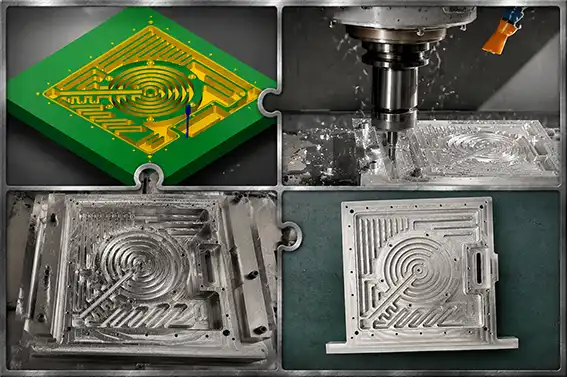
Custom CNC Machining is still the most important part of precision manufacturing in 2026. It lets engineers and purchasing managers turn complicated plans into working parts with amazing accuracy. The technology has grown beyond simple milling and turning tasks, becoming an advanced environment with multi-axis tools, AI-driven process optimization, and advanced material capabilities. This way of making things is essential for global supply lines because it can make geometrically complicated parts from both metals and plastics. This is because aircraft fasteners need tolerances of just a few microns, and medical device samples need materials that are FDA-approved.
Understanding Custom CNC Machining in 2026
The use of powerful computer-controlled machines that can do complex tasks on multiple angles at the same time has taken precision manufacturing to a whole new level. This way of making things is very useful because it can be used for many different things. For example, if you need a single sample for testing, or you need to make 500 units, the process stays the same and can be used again and again.
Multi-Axis Capabilities and Material Flexibility
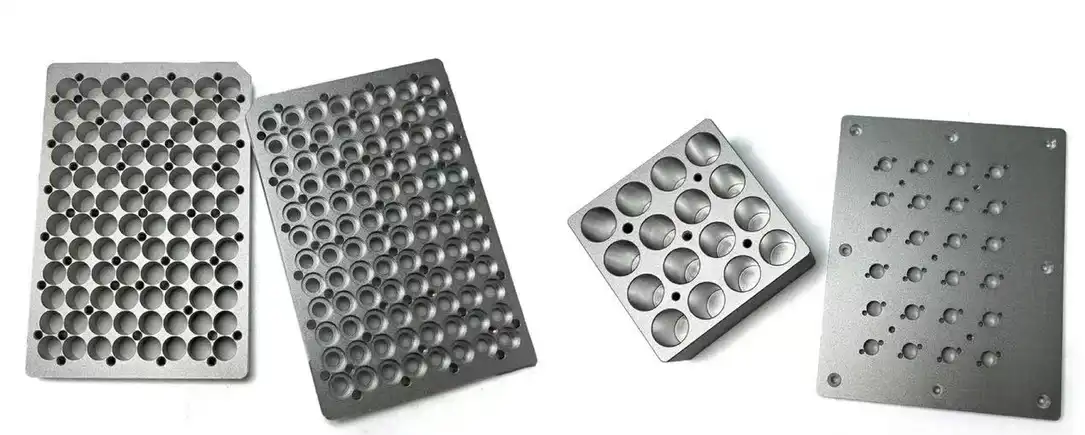
Modern machine centers with 5-axis technology and Custom CNC Machining can approach workpieces from almost any angle. This gets rid of the need for multiple sets, which used to cause differences in size. This feature is especially useful when making parts with undercuts, holes at an angle, or complex shapes. For structural uses, material suitability includes aluminum alloys like 6082, engineering plastics for lightweight structures, brass for electrical parts, and stainless steel for places where corrosion is a problem. Choosing the right material affects how easy it is to machine, how long the tools last, and the quality of the finish on the surface. This is why it's so important for your design team and factory engineers to talk to each other directly during the quotation process.
Design Flexibility and Scalability
Because CNC code is digital, changes can be made quickly without having to buy new tools. When your R&D team finds a better design after trying the first sample, those changes can be made right away by updating the CAD files and making new G-codes. This flexibility supports the prototype-to-production buying model that is popular among companies that make medical devices and automation equipment. In this model, small-batch trial orders are used to confirm the design intent before committing to larger production runs. Repeatability makes sure that part number 500 keeps the same level of accuracy in dimensions as part number one. This solves a major problem for quality assurance teams that have to deal with group consistency.
Innovations Driving Custom CNC Machining in 2026
The fast development of manufacturing technology is due to the coming together of AI, sensor networks, and process tracking systems, which change the way parts are made. These new ideas directly solve problems that mechanical engineers and purchasing managers have been having for a long time when they are trying to find fine parts.
AI-Driven Process Optimization
Machine learning systems now look at sensor data in real time while cutting. They change feed rates, spindle speeds, and tool paths automatically to account for tool wear or differences in the material. This intelligence lowers the amount of scrap and increases the life of tools, which means that your projects can be priced more competitively. In predictive maintenance systems, vibration patterns and thermal signs are tracked so that tool changes can be planned before they break, instead of after a broken insert destroys a partly finished piece of work. These features are especially helpful for projects with tight deadlines, since one broken machine could put at risk important goals.
Digital Twin Technology and Simulation
In Custom CNC Machining, before metal chips fly, virtual models check tool paths for errors and identify areas where they might collide or move inefficiently. Digital twin technology creates a virtual copy of the real machine environment, allowing process engineers to optimize cycle times and surface finish settings without consuming any material. During production, real-time modeling compares the actual machine performance against the digital model. Any deviations are instantly flagged, as they may indicate fixture issues or potential material defects. This proactive approach helps prevent out-of-tolerance measurements from being discovered during final inspection, a frustrating situation for project managers that can also lead to delivery delays.
Advanced Post-Processing and Surface Treatments
Finishing the surface of something is more than just deburring and shining. Automated electroplating systems cover CNC-machined parts evenly with nickel, chrome, or gold. This makes the parts more resistant to rust and better at conducting electricity without changing their size. Anodizing methods add protective oxide layers to metal parts. Type II gives parts decorative colors, and Type III makes them more resistant to wear in high-cycle uses. Testing with salt spray confirms that a coating will stick and not rust, producing written proof that meets quality assurance standards for outdoor and marine uses. These finishing options are very important for flight connectors, car sensors, and medical tools that need surfaces that are biocompatible.
Sustainable Manufacturing Practices
Industry Impact and Applications in 2026
The ability to do precise cutting directly leads to technological progress in many areas where Custom CNC Machining is used, since broken parts have bad results. Learning how these production skills are used in different industries helps buying teams predict how needs will change and what suppliers will need to be able to do.
Aerospace and Defense Applications
When it comes to temperature and pressure changes, aerospace parts need to be very stable in terms of their dimensions. Aluminum structural frames with weight-optimized shapes, titanium housings for avionics equipment, and stainless steel fittings for hydraulic systems all need to be made with very tight tolerances and full material tracking. Manufacturers of unmanned aerial vehicles (UAVs) really value fast testing tools because design changes happen a lot during platform development. Competent suppliers are different from great manufacturing partners because they can't make complicated shapes out of high-strength metals while keeping positional tolerances within 0.005mm. Material certificates that list the alloy's composition, history of heat treatment, and mechanical qualities are needed to meet AS9100 standards and get approval from customers.
Automotive and Electric Vehicle Components
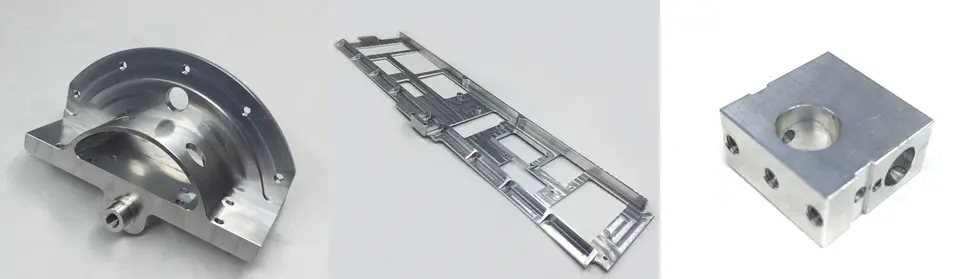
Medical Device Manufacturing
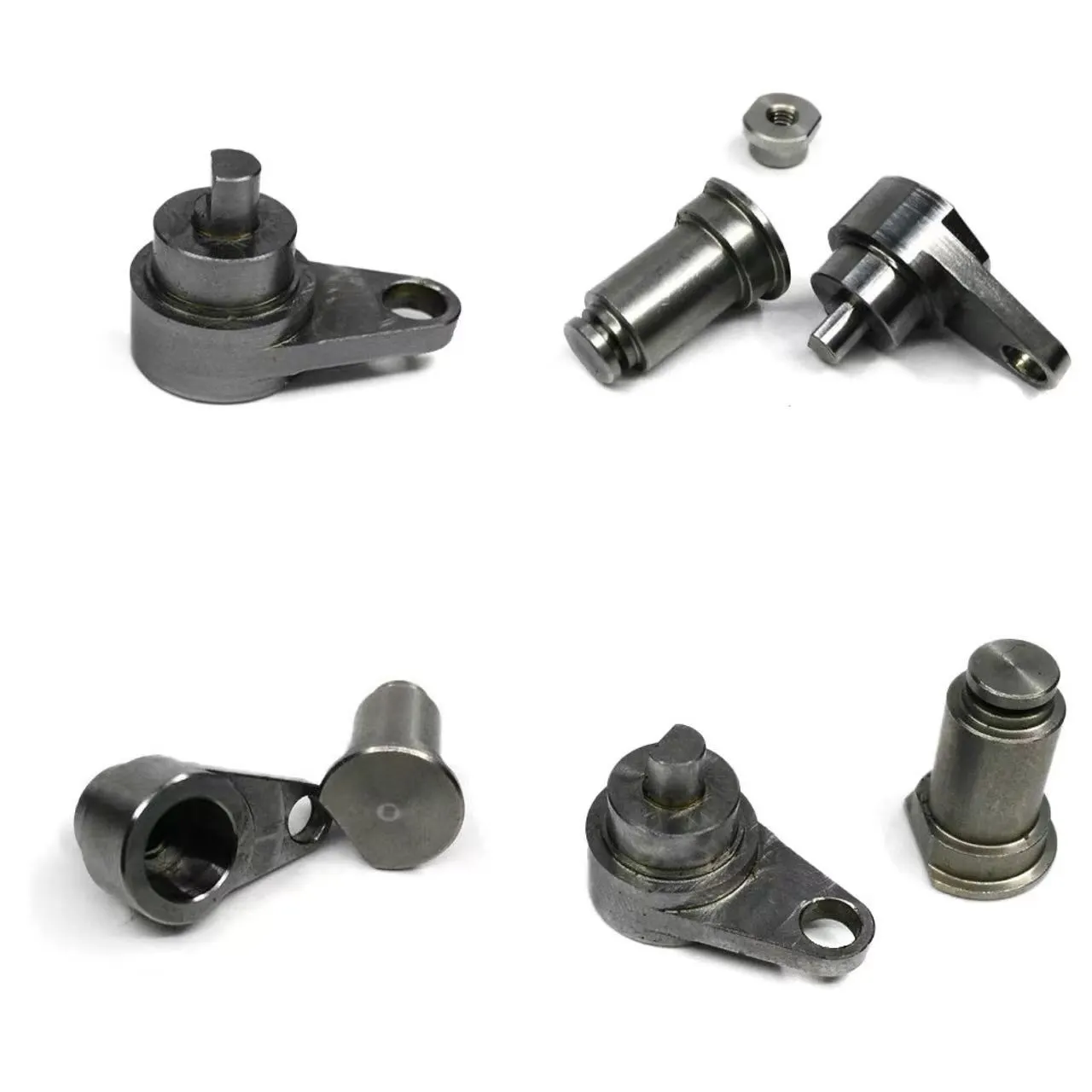
Custom CNC Machining for surgical tools, diagnostic equipment housings, and laboratory automation parts all work in places where there is a high risk of contamination and where strict standards for material and surface finish must be met. FDA-approved materials, such as medical-grade stainless steel and safe plastics, are the basis. Specifications for surface roughness make sure that the surface can be cleaned and keep germs from sticking to it. Dimensional precision has a direct effect on functioning. For example, a valve body with misaligned ports creates leaking routes that hurt the performance of the device. When you put together material approval, dimensional inspection records, and surface finish validation, you get the quality proof that regulatory applications need. Manufacturing partners who have experience with medical device standards know what kinds of paperwork are needed and set up their quality systems to meet those needs.
Electronics and Semiconductor Equipment
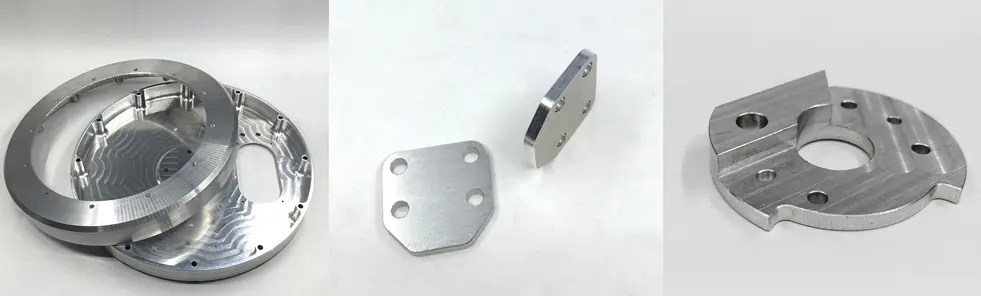
Heat sinks made from aluminum need the best fin shapes to get rid of heat as quickly as possible within their limited envelope dimensions. To keep output losses from happening, precision alignment supports for equipment that processes semiconductor wafers need to be able to hold their positions with micron-level accuracy. For electromagnetic separation to stay in place, EMI shielding boxes need walls that are all the same thickness and covers that fit tightly. It is getting harder to meet the tighter tolerances for dimensions as components get smaller, and the geometry is getting more complicated. Suppliers who have high-precision measuring tools and inspection rooms with temperature control can make sure that these strict requirements are met and provide written proof of compliance.
How to Choose the Right Custom CNC Machining Provider in 2026
When choosing a factory partner, you have to look at a lot of different things that affect the overall success of the project. The choice goes beyond just comparing prices and takes into account things like technical skill, how well communication works, and quality assurance methods.
Technical Capability Assessment
The collection of machine tools shows how much can be made and how precise it can be. Providers that use new machining centers with high-resolution encoders and heat compensation systems can keep standards tighter than those that use older equipment. It doesn't matter what kind of inspection tools you use—coordinate measuring machines (CMMs), optical comparators, and surface roughness testers can all do objective dimensional confirmation instead of subjective eye inspection. Material handling skills show if a seller can work with your chosen plastics and metals quickly and without causing damage or contamination. When working on complicated projects that need a lot of different processes, like milling, turning, drilling, tapping, and surface treatment, it's easier for sellers to offer combined services instead of having to coordinate a lot of different subcontractors.
Engineering Support and Communication
Misunderstandings don't happen when non-technical sales staff in Custom CNC Machining read models without knowing how they'll be used in production. Direct contact between engineers clears up these issues. Design for Manufacturability (DFM) research service providers look over submitted CAD files to find parts that make production harder or more expensive. Some suggestions could be to change the corner radii to fit standard tool sizes, the wall thickness to stop bending during machining, or to offer different materials that are easier to machine without lowering performance. This way of working together lowers project risk and speeds up the time it takes to get a product to market. This technical conversation is very helpful for mechanical design engineers and R&D managers because it helps them make sure that design choices are in line with the limitations of manufacturing in the real world.
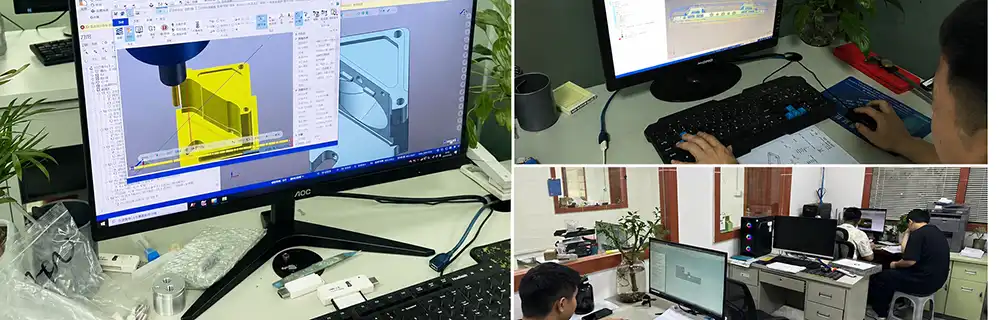
Response Time and Project Coordination
Quickly sending out quotes shows that the company is efficient and puts the customer first. When suppliers give detailed quotes within 24 to 48 hours, buying managers can quickly weigh their choices and make decisions based on accurate information. Sample production times that range from three days for simple shapes to one week for complex parts make it possible to quickly test designs. To keep critical path activities going and avoid missing milestones, project managers who are in charge of handling product development plans need to be able to respond quickly. Communication routes are important. Having specific project contacts who understand your needs and keep you up to date on progress saves you the hassle of having to wait in long customer service lines to get information.
Quality Systems and Risk Mitigation
Future Trends and Strategic Recommendations for B2B Clients
Digitalization efforts and industry demands for more customization and response are speeding up the evolution of manufacturing technology. In markets that are always changing, procurement teams that set themselves up to take advantage of these trends will stay ahead of the competition.
Industry 4.0 Integration and Smart Manufacturing
When machining centers in Custom CNC Machining are connected and send output data to cloud-based analytics systems, it gives manufacturers a level of visibility that has never been seen before. Real-time dashboards show cycle progress, quality metrics, and machine usage, so problems can be fixed before they get worse. This openness helps operations managers keep an eye on batch production progress and project managers keep an eye on delivery dates. Communicating between machines automates tasks like moving materials, changing tools, and inspecting processes, which cuts down on human mistakes and work that needs to be done by hand. This leads to higher accuracy, faster throughput, and better resource usage, all of which lead to lower prices and more reliable delivery performance.
On-Demand Production and Supply Chain Flexibility
Problems with the global supply chain have shown how dangerous it can be to rely on a few suppliers and have long lead times. Distributed manufacturing networks bring production closer to where it will be used, which makes transportation easier and lowers the cost of keeping goods on hand. Being able to send CAD files digitally and start production at sites that are spread out physically lowers the risk of regional disruptions. Low-volume, high-mix production lets you customize products without having to spend a lot of money on tools like you used to have to for setup variants. This flexibility is especially helpful for R&D companies that are putting out new goods whose market acceptance is still uncertain and whose production numbers are hard to predict.
Data-Driven Decision Making
Manufacturers should give priority to providers who show they can be flexible and are always looking for ways to improve. Companies that invest in technology, work to improve processes, and offer training programs for their employees are showing that they are forward-thinking and ready to meet your changing needs. When you build partnerships instead of transactional relationships, you create places where people can work together and help each other succeed.
Conclusion
In conclusion, precision manufacturing in 2026 is a complex mix of high-tech machines, smart robotics, and engineering know-how that turns digital plans into working parts for many important industries, where Custom CNC Machining plays a central role. The change from simple machining to integrated production environments driven by AI, digital twins, and environmentally friendly methods solves long-standing problems with accuracy, speed, and ability to grow. To get around in this market, people who work in procurement need to look at suppliers as a whole, not just compare prices. They need to look at things like technical skills, how well they communicate, quality processes, and strategy alignment. The companies that do well in this market combine state-of-the-art tools with skilled engineering teams that can have the technical conversations and do DFM analyses that stop mistakes that cost a lot of money and shorten the time it takes to create new products. As Industry 4.0 technologies get better and more tailored are needed, partnerships with precise machining providers who can do the job well turn into strategic assets instead of just transactional vendor relationships.
FAQ
What materials work best for precision CNC operations?
Aluminum alloys like 6061 and 6082 are famous in aircraft and automotive applications because they are easy to machine, have high strength-to-weight ratios, and don't rust. Stainless steel types are better at resisting rust in medical and marine settings. Engineering plastics like PEEK, Delrin, and nylon are good for uses that need to keep electricity from getting through, fight chemicals, or lose weight. Brass is easy to work with and makes joints and parts electrically conductive. The material you choose will depend on the technical needs of your application, its exposure to the environment, government rules, and your budget.
How quickly can prototype samples be produced?
Lead times depend on how complicated the geometry is, how readily available the materials are, and how busy the factory is right now. Usually, simple parts made from standard materials are finished three to five days after the order is placed. Seven to ten days may be needed for complex shapes that need multi-axis machining, special tools, or longer inspection processes. When suppliers keep a stockpile of raw materials and offer fast services, they can sometimes meet urgent requests within 48 hours. Giving full CAD files, clear tolerances, and surface finish standards during the quote process speeds things up by getting rid of the need to clarify things.
What documentation should accompany my RFQ?
Detailed RFQs include CAD files in neutral formats (STEP or IGES), engineering drawings with dimensional tolerances and surface finish callouts, material specifications with grade designations, quantity needs for both prototype and production, and any other needs like certifications, inspection reports, or surface treatments. Marking important parts and useful sizes with notes helps factory engineers organize their efforts to keep tolerances within acceptable limits. When suppliers know about the working environment, mating components, and performance needs of an application, they can make better design suggestions.
Partner with RYH for Your Precision Manufacturing Needs
Finding a manufacturing partner with technical know-how, quick contact, and tried-and-true quality processes is important for getting precision parts. At RYH, our engineering team has an average of 15 years of experience in cutting. They do the DFM analysis and suggest materials that keep design changes and production delays from happening, which costs a lot of money and time. We make metal and plastic parts that are completely unique and based on your plans. We can help with projects from the first prototypes to mass production with uniform quality. Our multi-axis cutting can handle complicated shapes and close tolerances, and we offer a wide range of surface treatment choices, such as anodizing, electroplating, and FDA-compliant finishing, to meet the needs of a wide range of applications. As a Custom CNC Machining provider that values partnerships over deals, we offer quick quote turnaround and sample production within one week—often in just three days for simple parts. If you report a problem with the quality within a month, we will quickly remanufacture it and pay for faster shipping. This shows that we are responsible and committed to the success of your project. Email our team at bill@bldmachining.com to talk about how our precision manufacturing services can help you reach your development goals and meet your production needs.
References
1. Smith, J.R. & Chen, L. (2025). Advanced Manufacturing Technologies: CNC Machining in the Digital Age. Industrial Press, New York.
2. Anderson, M.K. (2025). "AI Integration in Precision Manufacturing: Performance Improvements and Implementation Strategies," Journal of Manufacturing Systems, Vol. 68, pp. 145-162.
3. European Aerospace Quality Organization (2024). AS9100 Rev D Implementation Guide for Precision Machining Operations. EAQO Publications, Brussels.
4. Williams, D.T. & Patel, S. (2026). Material Selection for CNC Applications: Engineering Properties and Machinability Factors. McGraw-Hill Education, Chicago.
5. International Medical Device Manufacturers Association (2025). ISO 13485 Compliance in Machined Component Production. IMDMA Technical Standards Committee, Geneva.
6. Thompson, R.L. (2025). "Digital Twin Applications in Subtractive Manufacturing: Process Optimization and Quality Control," Manufacturing Technology Review, Vol. 42, No. 3, pp. 78-94.
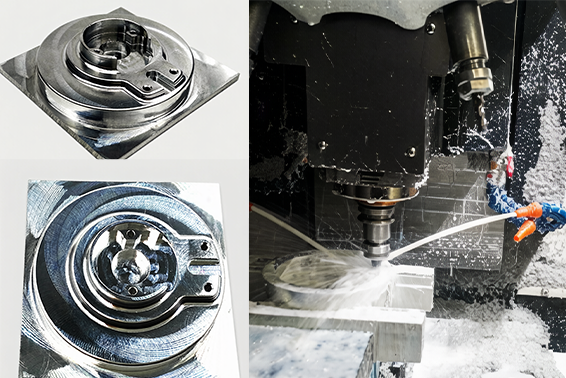
Precision cutting is a way of making things that make parts that are very accurate in terms of their dimensions and can be made over and over again. Computer Numerical Control (CNC) technology is at the heart of Precision CNC Machining. It automates complicated tasks and can achieve margins as small as ±0.005mm. High-performance manufacturing is different from traditional methods because it is so precise. This makes it necessary for businesses that need perfect usefulness. Aluminum metals, titanium, stainless steel, and engineered plastics are some of the raw materials that are turned into complex parts that meet strict requirements.
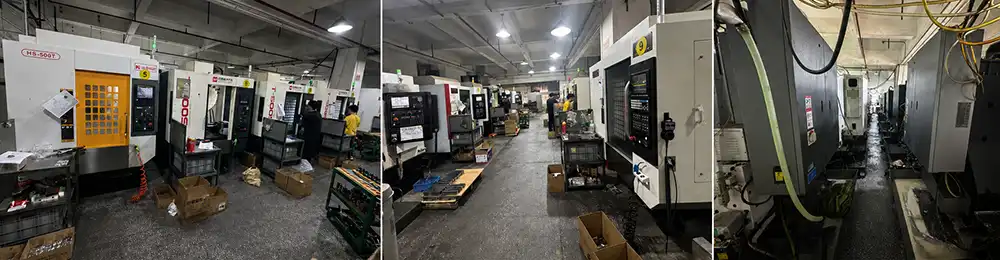
Understanding Precision Machining: Definition and Core Concepts
When we talk about precision cutting, we're talking about a unique way of making things that goes far beyond just removing material. For this process to work, every factor that affects the shape, finish, and strength of the finished part must be carefully managed.
The Role of CNC Technology in Modern Machining
Computer Numerical Control has changed the way things are made by getting rid of mistakes that people make when doing the same thing over and over again. CNC systems read digital designs and carry out machining processes with incredibly fine detail, making sure that every part fits the blueprint perfectly. Multi-axis machining centers, which include everything from simple 3-axis mills to complicated 5-axis platforms, let makers make complex geometries in a single setup, which reduces the changes in size that come from moving the parts around. We've seen how this technology turns difficult projects into doable production runs. This is especially true when working with medical-grade PEEK plastics or aerospace-grade titanium, which need to be precise and use special tools.
Key Machine Types and Their Applications
In the world of precision manufacturing, each machine tool is used for a specific task. Horizontal mills are better for heavy-duty cuts on bigger pieces, while vertical milling centers are better at flat areas and pocketing. Turning centers make cylinder-shaped parts that are very closely centered, and Swiss-type lathes make small-diameter parts that have length-to-diameter ratios that can't be reached with other machines. Electrical Discharge Machining, or EDM, can work with hard materials and complicated internal spaces without putting any stress on the machine. Choosing the right tools depends on the complexity of the geometry, the hardness of the material, the tolerance standards, and the amount of production. These are all things that we talk about with purchase teams during the first engineering meetings.
Materials and Machinability Considerations
Choosing the right material has a huge effect on how things are machined and how precise they can be. Aluminum 6061-T6 is easy to make and has good strength-to-weight ratios and great anodizing properties. Although titanium Ti-6Al-4V is stronger than other metals, it creates a lot of heat when it is cut, so it needs special cooling strategies. Stainless steel 316 doesn't rust, but it does wear down tools quickly. Engineering plastics, such as Delrin and PEEK, are resistant to chemicals and don't conduct electricity. By knowing how these materials behave, we can suggest the best metals and production methods during design reviews. This keeps you from having to make expensive changes and makes sure that the production goes smoothly the first time.
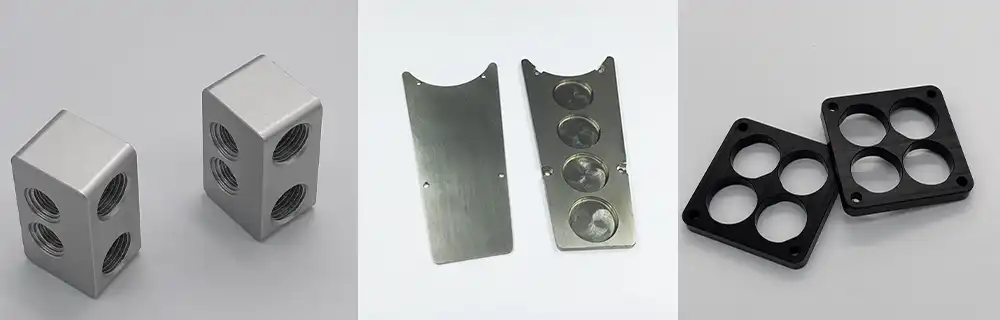
Advantages of Precision CNC Machining for B2B Procurement
More and more, people who work in procurement see Precision CNC Machining as a strategic benefit, not just a way to make things. The benefits go beyond accurate measurements and include a reliable supply system, predictable costs, and the ability to change the design.
Automated CNC processes have huge benefits in a wide range of work situations. Unmatched dimensional accuracy makes sure that parts fit perfectly into systems. This saves time on installation by avoiding adjustments and lowers the number of guarantee claims from failures in the field. Instead of human processes that can be changed by the person doing them, quality control is based on scheduled operations that produce the same results on thousands of units. Cost effectiveness shows up across all batch sizes because CNC equipment can handle small prototype amounts cost-effectively and easily scales up to production numbers without the need for expensive retooling that is needed for molding or casting.
Complex math skills let designers make products that stand out in the market. Internal pathways for fluid distribution, compound angles for visual alignment, and thin-walled structures for weight reduction stop being just ideas and start being made. CNC cutting makes better surface finishes and tighter standards without the need for post-processing, compared to additive manufacturing. Precision cutting, unlike injection casting, doesn't need expensive tools, so it's possible to make small amounts of things at a low cost. This freedom is very helpful for R&D teams that are iterating on prototypes and for startups that want to see how the market reacts to their products before committing to building infrastructure for mass production.
Speed and Efficiency in Project Execution
Lead time has a direct effect on when products come out and how they compare to competitors. RFQs are answered within hours by modern CNC facilities, which give thorough quotes that take into account the cost of materials, the time needed for cutting, and the finishing needs. Usually, it takes three to seven days to make a prototype. This lets design feedback processes happen, which keep projects on schedule. Production runs start quickly because CNC programs made during development go straight to manufacturing, skipping the step of testing that comes with manual operations. When there are opportunities in the market or problems in the supply chain that affect other providers, this speed becomes very important.
Precision CNC Machining Applications Across Industries
Precision cutting is very useful because it can be used in many different areas, each with its own set of rules and performance standards.
Aerospace and Defense Applications
Precision CNC Machining is essential in aerospace manufacturing. Aerospace parts can't have any mistakes in their dimensions because they break in harsh conditions where they can't be replaced. To make turbine blades, complex airfoil shapes must be machined to micrometer-level accuracy, while wall thickness must be kept exact for heat management. To keep weight down while still withstanding huge loads, structural parts need to be made of high-strength aluminum alloys like 7075-T6 that have been cut with great care for grain direction and stress concentration points. Avionics housings protect sensitive electronics from interference by using carefully made shapes and conductive coatings to block electromagnetic fields. Our knowledge of AS9100-certified methods makes sure that traceability and compliance are maintained throughout production, meeting the paperwork needs of procurement teams.
Medical Device Manufacturing Requirements
Biocompatible materials, sterile production settings, and proof of regulatory compliance are all needed for medical uses. Precision CNC Machining is used in these processes. Surgical tools need to have mirror-finish surfaces that are easy to clean and don't let germs grow on them. Orthopedic implants must exactly match the shape of the bone and be made of titanium alloys that work with live tissue. Aluminum and plastic are used to make diagnostic equipment parts that are not magnetic and don't mess up image systems. Fluid handling manifolds with precise internal pathways that control chemical flow rates are built into lab equipment. We keep up our ISO 13485 certification and provide material certifications that show they are in line with FDA rules. This gives QA teams faith in the safety and accuracy of the parts they use.
Automotive and Electric Vehicle Components
Automotive engineering relies more and more on precise, lightweight parts that save fuel and increase the range of electric vehicles. Aluminum extrusions and CNC-machined end caps are used to make battery container designs that are strong in a crash and light. Thermal management systems use heat sinks with carefully made fin patterns that make the most of the surface area to get rid of heat. To make suspension parts that are both strong and light, they need high-strength metals and optimized shapes, which can be found using finite element analysis and made possible by precision machining. Through tight-tolerance fitting surfaces and threaded features, charging system housings keep out the weather and keep electricity from flowing. Our engineering help includes DFM analysis, which finds possible assembly problems early on so that expensive tooling changes don't have to be made during the ramp-up of production.
Choosing the Right Precision CNC Machining Service for Your Business
The choice of supplier has a big impact on the success of a project, changing quality, cost, schedule, and the stability of the supply chain in the long run. Procurement teams should look at more than just the price that was offered.
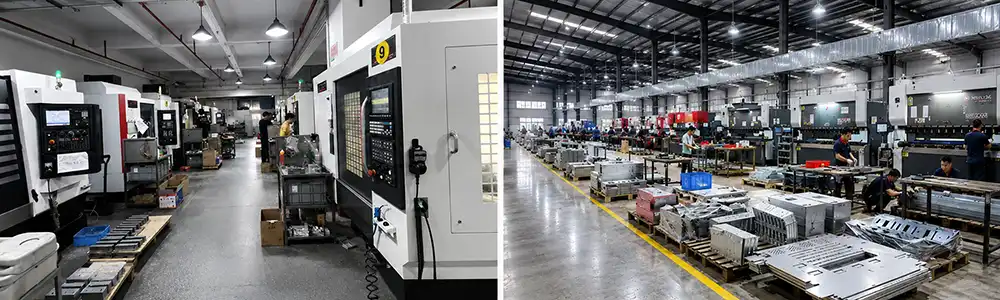
Certifications and Quality Control Protocols
Manufacturers with a good reputation keep up with widely known certifications that show they control the manufacturing process and manage quality. ISO 9001 sets the bar for quality systems, and standards like AS9100 (aerospace) and ISO 13485 (medical) meet the needs of specific industries. Coordinate Measuring Machines check for accurate measurements, optical comparators check for shape geometries, and surface roughness testers measure the quality of the finish. Material certifications link the alloy's makeup to mill test results, meeting the standards for traceability. Testing with salt spray proves that the material won't rust in outdoor settings, and testing for hardness proves that heat treatment works. We keep track of these activities by writing detailed inspection reports that go with every package. This gives quality assurance teams proof that the goods are in line with expectations.
Engineering Support and Communication
When engineers talk directly to each other, there are no misunderstandings that happen on jobs in Precision CNC Machining that go through salespeople. During the review of quotes, technical talks often show ways to improve the design. For example, fillet radii can be changed to fit standard tools, wall thickness can be changed to make machining more stable, or cheaper materials with the same performance can be suggested. DFM analysis finds problems with manufacturability before production starts, which keeps plan delays from happening because of design changes. With this collaborative method, sellers become manufacturing partners who share their knowledge to improve the quality of the product while keeping costs low. Our team has an average of more than fifteen years of experience with machining. This means that they can bring real-world experience to design problems that academic analysis might miss.
Evaluating Lead Times and Capacity
Scheduling production has a direct effect on how long projects take and how much it costs to keep goods on hand. Understanding a supplier's capacity utilization helps predict delivery reliability—overcapacity may indicate financial instability, while full utilization suggests limited freedom for rush orders. For clear wait time quotes, it should be clear what the differences are between getting the materials, machining, finishing, and sending. For simple geometries, prototype plans usually last between three and seven days. However, complicated assemblies that need more than one process take longer. Production runs depend on the number of units ordered. For example, fifty units in a small batch might be finished in two weeks, but orders for 1,000 units need plans that last a month. We keep in touch with material sources to make sure we always have raw materials on hand, and our wide range of tools lets us balance workloads so we can stick to our schedules even during times of high demand.
Future Trends and Innovations in Precision CNC Machining
Manufacturing technology is still changing very quickly, which is good for companies that get on board early but hard for companies that stick to old ways of doing things. Keeping up with new technologies allows for strategy planning that keeps a competitive edge.
As companies try to meet environmental goals and comply with government regulations, sustainability factors are becoming more important in their purchasing decisions. Because extra material is removed as little as possible during near-net-shape production, precision machining naturally creates less trash than casting or forging. Coolant recycling devices cut down on the amount of fluid used and the cost of removal. Energy-efficient stepper drives and improved toolpaths make each component use less power. Material selection favors metals that can be recycled. For example, aluminum can be recycled over and over again without losing any of its properties, and bio-based resins are being used more and more in industrial plastics. We've put in place rules to reduce trash and get valuable chips back for recycling. This helps reach the goals of the cycle economy and lowers the cost of raw materials, which benefits customers by giving them lower prices.
Conclusion
Precision cutting is the key technology that makes it possible for new products to be made in the medical, automobile, electronics, and industrial equipment industries. When procurement workers know the differences between CNC skills, material properties, and quality control methods, they can choose suppliers who can meet the needs of the project. Dimensional accuracy, design freedom, scalable production, and fast prototyping are some of the benefits that help engineering teams make the next generation of goods. Industry 4.0 and efforts to be more environmentally friendly are changing the way things are made, but Precision CNC Machining keeps giving challenging users the dependability and performance they need.
FAQ
What tolerances can precision CNC machining realistically achieve?
Standard business limits are based on ISO 2768-m standards and offer accuracy of ±0.1mm, which is good for most uses. Using modern 5-axis tools and careful thermal management, high-precision processes can get to ±0.005mm on important features like bearing bores and mating surfaces. Tighter tolerances than functionally required raise costs without improving performance. That's why engineers should talk about which dimensions are truly important and need the highest level of accuracy while letting go of features that aren't necessary.
How does material selection affect machining lead time and cost?
Common metals, like aluminum 6061 and steel 1018, are easy to get from dealers, which lets projects get started quickly. Titanium, Inconel, and specialty plastics are examples of unusual materials that take longer to get and need special tools, which adds one to two weeks to the plan. Material hardness has a direct effect on cutting time. For example, soft aluminum can be machined five times faster than hardened stainless steel, which has a corresponding effect on suggested prices. When material choices are talked about during design meetings, often options with similar performance that are better in terms of time and money are found.
Can precision machining handle both prototype and production quantities economically?
CNC processes work well with a wide range of volume levels because the costs of programming are spread out over many volumes. Costs for prototypes include setup time and engineering help. Depending on how complicated the design is, costs can range from a few hundred dollars to a few thousand dollars. These set costs are spread out over many production runs, which lowers the price per unit by a large amount. For example, 100-unit batches might cost 30% less per piece than samples, and 1000-unit orders would be 50% less. Because it can be scaled up or down, CNC machining is cheaper for low to medium production rates because it doesn't need expensive equipment investments like molding or casting do.
Partner With RYH for Your Precision CNC Machining Needs
Choosing partners who understand both technology needs and business facts is important for manufacturing success. RYH has a wide range of Precision CNC Machining skills and has been working with engineers for nine years to help businesses around the world. Our team lets engineers talk directly to each other, without salespeople getting in the way of technical conversations. This lets us optimize designs in a way that makes them easier to make while keeping costs low. We work with metals and non-metals and have certifications for ISO quality standards, FDA compliance, and special surface processes like salt spray tests and anodizing.
Usually, prototype development takes one week, and simple shapes can be sent in three days, which speeds up the process of validating your product. We are very good at complicated machining processes and can meet unique needs that are hard for other providers to do. We can help with everything from small batches to large production runs. Global door-to-door operations make buying things from other countries easier, and our quality guarantee covers the cost of shipping and quick remanufacturing within one week if problems arise. As a Precision CNC Machining company with a lot of experience, we rely on long-term partnerships over short-term deals. Email us at bill@bldmachining.com to talk about how our skills fit with the needs of your project.
References
1. Kalpakjian, S., & Schmid, S. R. (2014). Manufacturing Engineering and Technology (7th ed.). Pearson Education Limited.
2. Groover, M. P. (2020). Fundamentals of Modern Manufacturing: Materials, Processes, and Systems (7th ed.). John Wiley & Sons.
3. American Society of Mechanical Engineers. (2018). ASME Y14.5-2018: Dimensioning and Tolerancing. ASME Standards.
4. International Organization for Standardization. (2019). ISO 2768-1:1989 General Tolerances - Part 1: Tolerances for Linear and Angular Dimensions Without Individual Tolerance Indications.
5. Society of Manufacturing Engineers. (2017). CNC Machining Technology: Fundamentals and Applications. SME Technical Publications.
6. Astakhov, V. P. (2018). Metal Cutting Mechanics, Finite Element Modelling. In Modern Machining Technology: A Practical Guide for Engineers and Manufacturers. Elsevier Science & Technology.
- 1
- 2
- 3
- 4