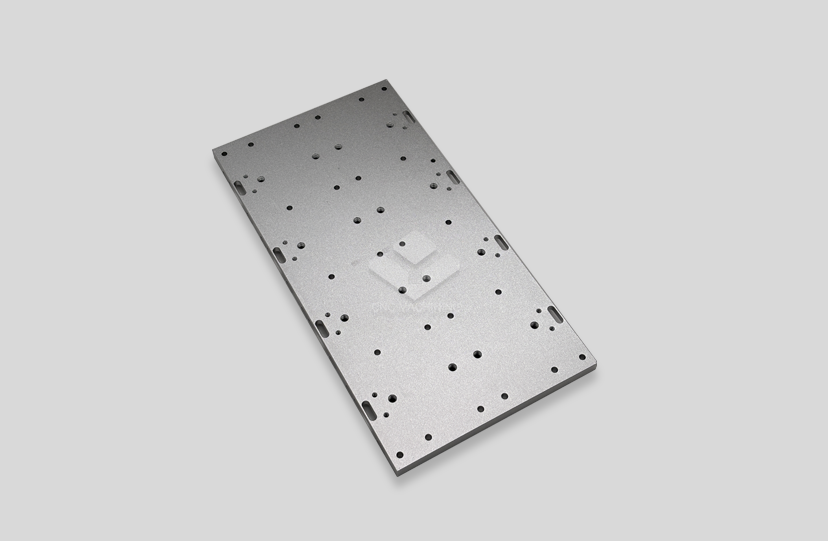
Bead Blasting and Sandblasting Before Anodizing CNC Machined Aluminum Parts
Why Bead Blasting Matters for Anodized CNC Aluminum Parts
For CNC machined aluminum parts, achieving a high-quality anodized appearance is not only related to the anodizing process itself. The surface condition before anodizing plays an equally important role.
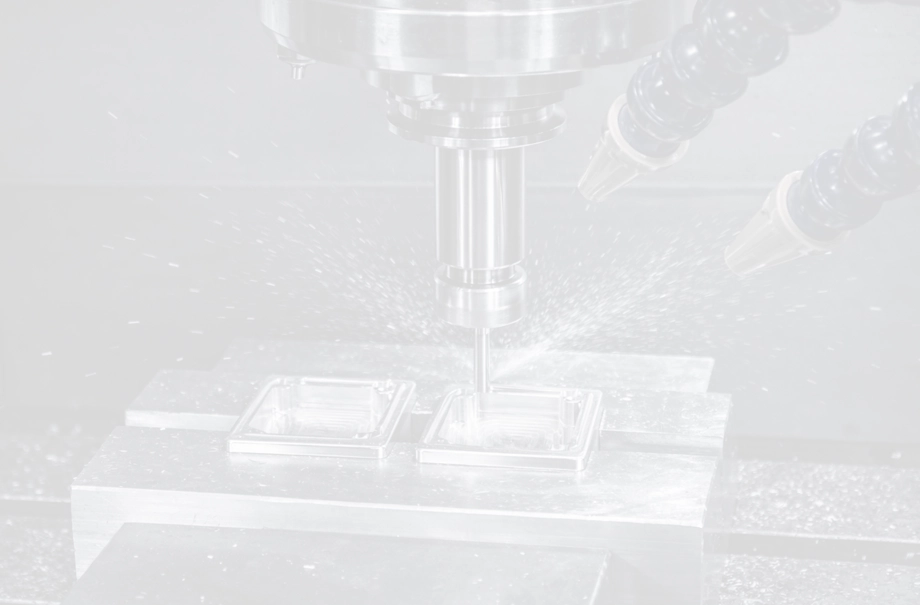
During CNC machining, aluminum components naturally develop machining marks caused by cutting tools, feed movements, and different machining strategies. Since anodizing creates a transparent oxide layer on the aluminum surface, these machining marks may remain visible after anodizing if the surface is not properly prepared.
Therefore, many customers choose Bead Blasting or Sandblasting before anodizing CNC aluminum parts to create a uniform surface texture and improve the final appearance.
At Shenzhen Ruiyihang Technology Co., Ltd. (RYH), we focus on precision CNC machining of aluminum components. We cooperate with qualified surface finishing partners to provide complete manufacturing solutions, including bead blasting and anodizing after machining.
Our goal is not only to produce accurate CNC machined parts, but also to help customers achieve consistent appearance and reliable product quality.
What Are Bead Blasting and Sandblasting?
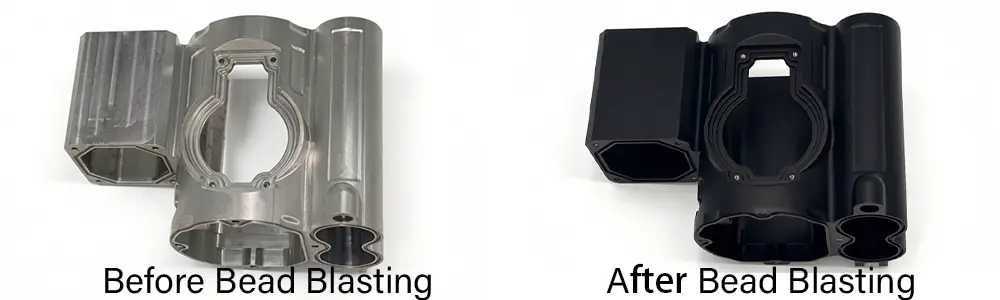
Bead Blasting and Sandblasting are surface preparation processes that use high-speed abrasive media to modify the appearance and texture of metal surfaces.
In the machining industry, the term "Sandblasting" is often used as a general description of abrasive blasting processes. However, for precision CNC aluminum parts, Bead Blasting is a more accurate term because glass beads or fine media are commonly used.
Bead blasting creates a controlled matte texture without significantly affecting the dimensional accuracy of CNC machined components.
Common blasting media include:
· Glass beads
· Ceramic media
· Fine abrasive materials
Compared with traditional rough blasting methods, bead blasting provides a more uniform surface finish, making it especially suitable for aluminum components that require anodizing.
Why Aluminum Parts Need Bead Blasting Before Anodizing
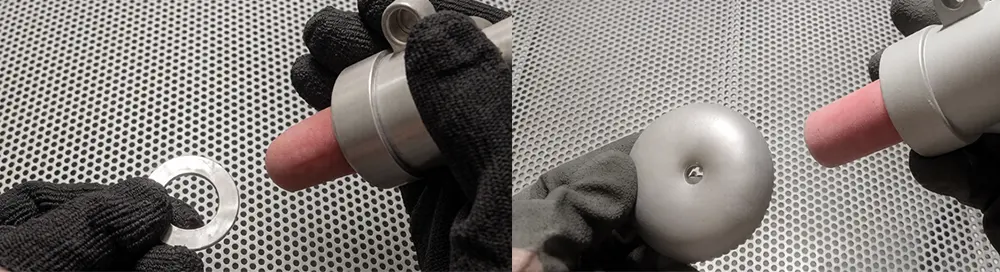
Anodizing does not hide surface differences. Instead, it follows the existing aluminum surface condition.
If different areas of a part have different surface roughness, the anodized color and reflection may also appear different.
A uniform bead blasted surface helps achieve:
· Consistent matte finish
· Stable anodized color
· Better appearance quality
Common Bead Blasting Grit Sizes for Anodized Aluminum Parts
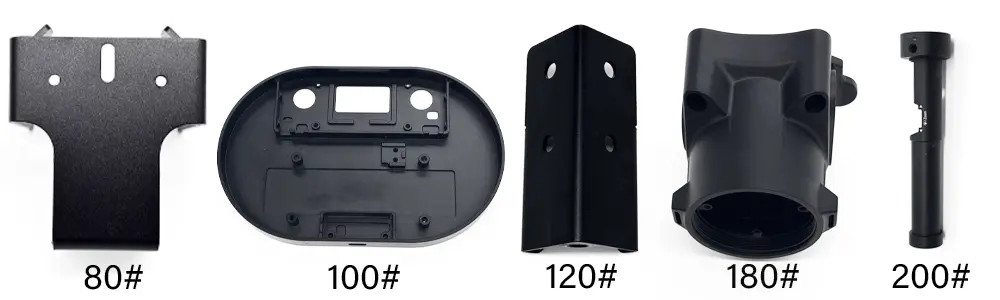
Different blasting grit sizes create different surface textures.
For CNC machined aluminum parts, commonly used blasting grades include:
|
Grit Size |
Surface Effect |
Typical Application |
|
80# |
Coarser texture |
Industrial aluminum parts |
|
100# |
Medium texture |
General components |
|
120# |
Balanced matte finish |
Common CNC aluminum parts |
|
180# |
Smooth matte finish |
High appearance requirements |
|
200# |
Very fine texture |
Precision visible parts |
The final surface effect also depends on:
· blasting pressure
· blasting distance
· media type
· operator experience
Bead Blasting and Anodizing Dimensional Considerations
For precision CNC machined aluminum parts, surface finishing requirements should be considered before machining.
Bead blasting normally has minimal impact on dimensions, but anodizing creates an oxide layer on the aluminum surface.
Therefore, critical dimensions such as:
· precision holes
· assembly surfaces
· fitting areas
should be reviewed before production.
At RYH, engineers consider surface finishing requirements during CNC machining planning to ensure final anodized parts meet customer specifications.
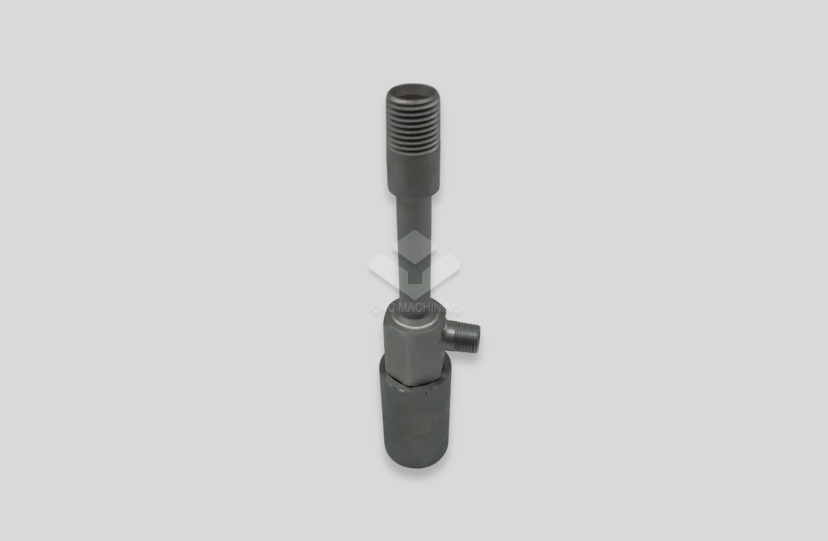
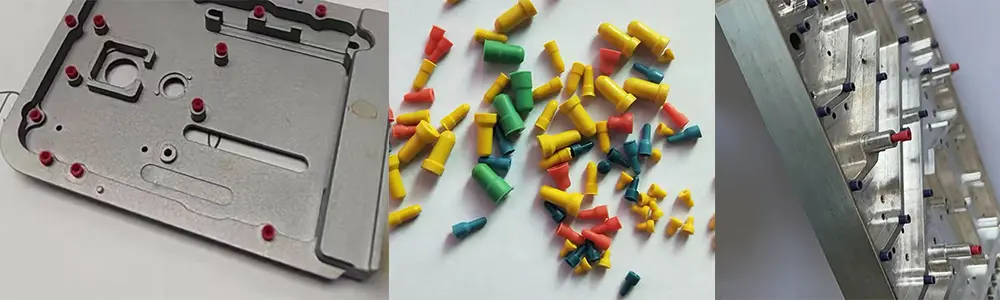
Based on our manufacturing experience, for CNC machined aluminum parts, small holes with a diameter below 2.5 mm and threaded holes smaller than M3 usually require special silicone plugs or masking protection before bead blasting.
This is because abrasive media used during bead blasting may enter small holes or internal threads and become difficult to remove completely, which may affect assembly performance and final product quality.
Therefore, RYH considers small hole protection as an important step during the surface finishing preparation process to ensure that CNC machined aluminum components meet both appearance and functional requirements after bead blasting and anodizing.
RYH Complete CNC Aluminum Manufacturing Solution
Shenzhen Ruiyihang Technology Co., Ltd. (RYH) specializes in custom CNC machining of aluminum components.
Our manufacturing capabilities include:
· CNC Milling
· CNC Turning
· 5-Axis CNC Machining
· Sheet Metal Fabrication
· Precision Aluminum Machining
For surface finishing, we cooperate with experienced partners to provide:
· Bead Blasting
· Sandblasting
· Type II Anodizing
· Type III Hard Anodizing
· Powder Coating
RYH focuses on controlling the complete manufacturing process from CNC machining to final surface finishing.