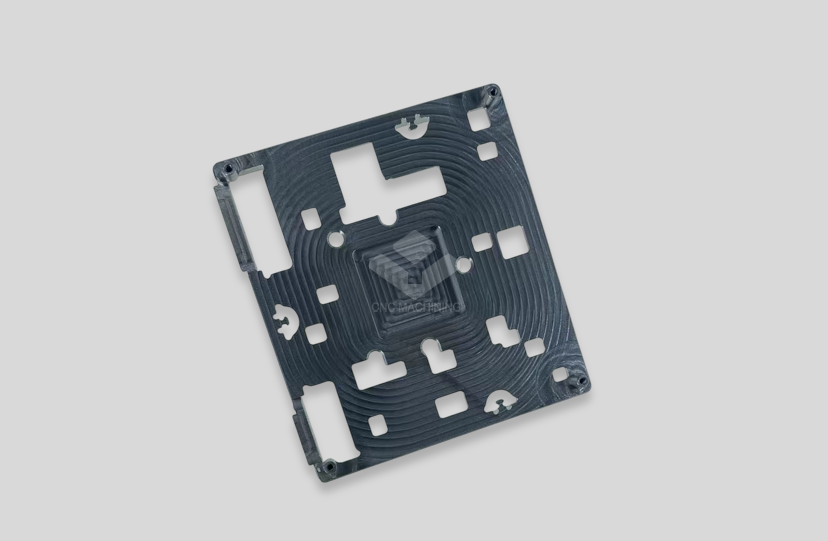
Secrets of CNC machining of high hardness stainless steel: Cracking the problems of tool wear and work hardening
To avoid problems with increased tool wear and work hardening when machining high-hardness stainless steel, you need to know how to do it. Stainless Steel CNC Machining success depends on carefully choosing the right tools, managing heat, and optimizing the cutting parameters. These hardened alloys, such as 17-4 PH, 440C, and martensitic grades, don't deform easily but produce a lot of heat when they are cut. This makes the tools break down quickly, and the surface layer hardens, which makes it harder to make further passes. Understanding how materials behave, choosing the right cutting tools with advanced finishes, and using the right coolant techniques can turn projects that seem impossible into precision parts that can be made consistently.
Understanding the Challenges of CNC Machining High Hardness Stainless Steel
Why Does High Hardness Stainless Steel Resist Conventional Machining?
Due to their metallurgical properties, high hardness stainless steel alloys make subtractive manufacturing very difficult. Because these materials don't conduct heat well, heat builds up at the cutting edge instead of spreading out through the chip or workpiece. This focused heat energy speeds up the wear and tear on carbide tools and inserts. Because the material tends to work harden under mechanical stress, each cut makes the top layer harder, which speeds up tool wear by a factor of ten.
Material Grades and Their Specific Machining Obstacles
Different types of stainless steel come with their own problems. Precipitation-hardened 17-4 PH stainless steel is strong and not too hard to work with, but it needs to be cut under controlled conditions to keep it from work hardening. Martensitic 440C stainless steel that has been ground to 58+ HRC needs ceramic or CBN tools because it is so rough. 316 stainless steel, on the other hand, is more resistant to corrosion, especially in harsh situations like chemical or sea settings. However, its austenitic structure means that it hardens quickly when fed incorrectly. By knowing how these materials behave in certain ways, engineers can guess how long tools will last and find the best ways to machine materials.
Real-World Impact on Production Timelines and Costs
We've seen procurement teams deal with longer lead times when suppliers don't know how to machine hardened stainless steel parts. Failures of tools in the middle of production slow work, waste costs money, and parts with inconsistent dimensions are thrown away. Medical device makers need 316 stainless steel parts that are FDA-approved and have limits of ±0.01 mm and can't afford quality variations. When aerospace suppliers need 17-4 PH parts with complicated shapes, they need partners who know how work hardening changes end dimensions and surface integrity. Choosing the right provider is therefore very important for the project's success.
Best Practices and Techniques to Minimize Tool Wear and Work Hardening
Optimizing Cutting Parameters for Extended Tool Life
To get the best performance from a tool, its cutting speed, feed rate, and depth of cut must be perfectly balanced for each grade of stainless steel. Cutting speeds between 50 and 80 surface feet per minute keep hardened materials from getting too hot, and keeping feed rates high enough stops grinding, which speeds up the hardening process. We suggest methods for thinning chips that use higher feed per tooth and less radial depth of cut. This spreads thermal and mechanical loads over a bigger tool contact area. This method increases the life of the inserts while keeping the accuracy of the dimensions that are necessary for Stainless Steel CNC Machining precise parts.
Advanced Tooling Solutions and Coating Technologies
Stop-and-start cutting, which makes work harder, can be avoided by programming tool routes to stay engaged all the time. In climb milling orientations, cutting forces and heat production are lower than in normal milling. During the DFM analysis, our engineers talk to customers directly to find ways to improve part shape and tool access. They also get rid of features that make tool wear faster or make cutting harder.
For moderately hardened stainless steel, carbide grades with fine grain structures and high cobalt content work best, while ceramic inserts can handle harder ranges above 45 HRC. Cubic boron nitride tooling works very well on materials harder than 55 HRC, but it needs very specific machine setups and parameters that are carefully managed. Tool coatings have a big effect on how well they work. For example, TiAlN coatings protect against rusting at high temperatures, and diamond-like carbon coatings lower friction and stop chip welding.
Cutting forces that cause work hardening are lowered by sharp cutting edges and positive rake angles. We choose tools with chip-breaker shapes that are made to work with stainless steel's ductile chip-forming properties. This stops long stringy chips that damage surfaces and cause machines to stop working. Insert selection strikes a balance between edge strength and sharpness, adapting the shape of the tool to the needs of the operation and the level of hardness of the material.
Coolant Strategies and Thermal Management
Getting high-pressure water right to the cutting zone is important for controlling temperature and getting rid of chips, and for Stainless Steel CNC Machining, through-tool cooling systems deliver cutting fluid precisely where it's needed, reducing temperatures that accelerate tool wear and work hardening. We've observed tool life increases of 200–300% with optimized coolant strategies compared to flood coolant or dry machining. Through-tool cooling systems send cutting fluid right where it's needed, lowering temperatures that speed up the wear on tools and the strengthening of work. We've seen huge increases in tool life—sometimes 200 to 300 percent—when we use the right coolant strategies instead of flood coolant or dry machining.
Choosing the right cutting liquid is very important. Semi-synthetic coolants have the right amount of lubrication and cooling power, while straight oils give you the most lubrication for tough interrupted cuts or threading jobs. When we CNC-turn stainless steel, we use the right amount of coolant and the right pressure for each type of material and operation. This keeps the temperature stable so that the dimensions stay accurate throughout production runs.
Comparing Stainless Steel CNC Machining with Alternative Manufacturing Methods
Precision Advantages Over Casting and Forging
With CNC cutting, you can get precise measurements and a smooth surface finish that you can't get with casting or forging alone. We usually get tolerances of ±0.02 mm, and critical features can get as close as ±0.01 mm depending on the design and material of the part. This level of accuracy is necessary for medical instruments, semiconductor equipment parts, and aerospace assemblies. To get useful specs on cast stainless steel parts, a lot of secondary machining is needed. For forged parts, precise grinding or milling is needed to get the final dimensions. When you use direct CNC manufacturing from bar stock, you don't have to worry about casting porosity or forging grain flow limitations that affect mechanical properties in high-stress areas.
CNC Machining Versus Additive Manufacturing Trade-offs
Even though 3D printing is getting better quickly, parts made from traditional machined stainless steel have better material properties and a smoother finish. When you use additive manufacturing, the parts you make have porosity and uneven mechanical properties that need to be fixed and heated. Our machine processes make sure that all of the parts have the same material qualities. The surface finishes that come from cutting operations are good enough for many uses without the need for extra finishing. Additive manufacturing is better for prototypes and internal shapes that are very complicated, but CNC machining is better for production levels because it is repeatable, consistent with materials, and cost-effective after the prototype phase.
Why Stainless Steel Outperforms Alternative Materials?
303 stainless steel is very easy to machine, which makes it perfect for making complicated parts and very precise cuts. It also has a level of rust resistance that aluminum can't match. When you compare hardened stainless steel to aluminum or engineered plastics, the hardened grades offer better wear resistance, temperature stability, and mechanical strength that are needed for medical devices, critical automotive assemblies, and industrial equipment. Even though harder materials are a little more expensive to machine, the longer life and better performance of the part make it worth it. 304 stainless steel is one of the most common materials used in many industries that need reliable long-term performance because it doesn't rust and can be used in a lot of different ways.
Technical Guidelines for Optimizing CNC Machining of High Hardness Stainless Steel
Material Selection and Grade-Specific Considerations
Before you can choose the right stainless steel grades, you need to know what they are used for. Manufacturers of medical devices often choose 316L because it is biocompatible and doesn't rust in body fluids. Some aerospace parts may need 17-4 PH because it can precipitation harden, giving them 44+ HRC and great toughness. During design review, our engineering team makes material suggestions based on performance needs, as well as how easy it is to machine, how long it will take, and how much it will cost. This consultation helps customers avoid having to pay a lot of money for redesigns or wait a long time for production to start because they chose the wrong materials.
Design for Manufacturability in Hardened Stainless Steel
The geometry of a part has a big effect on how well it can be machined from high-hardness stainless steel. Sharp internal corners cause stress to build up and require small, easily broken tools, while large circles let bigger, more rigid tools be used. We work with design engineers to find thin walls that could bend during machining, which could lead to changes in size or work hardening from too much cutting pressure. Making suggestions for small changes to the design, like adding draft angles, making the walls thicker in areas that aren't needed, or changing the distance between holes, makes it easier to make the product without affecting its functionality.
Accessibility of features is very important. Deep pockets that are hard to get to with standard tools need special long-reach tools that make the machine less rigid and less effective at cutting. Our DFM analysis finds these problems early on and suggests different design options or unique ways to set up the parts before production starts. This proactive engineering support sets manufacturing partners apart from simple machine shops. It also lowers the risk for sourcing teams that are in charge of complicated projects with tight deadlines and tight standards.
Achieving Consistent Dimensional Accuracy and Surface Finish
For tight tolerances to be kept throughout production runs, the temperature and process must be controlled, and for Stainless Steel CNC Machining, we maintain temperature-controlled production environments, allow adequate warm-up time for machine tools, use probing for in-process verification, and design fixtures that distribute clamping forces evenly to prevent workpiece distortion and ensure repeatability across batch production, so that the 50th part matches the first sample—essential for customers requiring small batches of consistent quality parts. We make sure that the production conditions are kept at the right temperature, that machine tools have enough time to warm up, and that we use probing processes for in-process verification. Fixture design spreads out clamping forces to keep workpieces from warping and to keep repeatability across batch production. The process controls make sure that the 50th part is the same size as the first sample. This is very important for customers who need small batches of quality products.
Surface finish needs change depending on the use. For example, medical parts may need 0.4 Ra or better to be easy to clean, while structural aircraft parts can handle rougher surfaces. Our finishing methods use the best cutting parameters, sharp tools, and the right order of operations to get the desired surface quality straight from the machining operations, so we don't have to do expensive extra grinding or polishing. This unified method cuts down on lead time and overall costs for making precision Stainless Steel CNC Machining parts out of stainless steel in all kinds of industries.
Partnering with Expert Stainless Steel CNC Machining Suppliers
Evaluating Technical Capability and Manufacturing Infrastructure
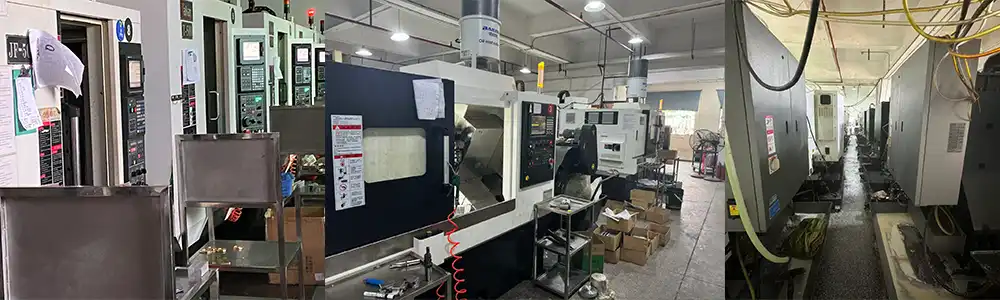
When choosing machining partners, you need to look at their quality systems, professional know-how, and the ability of their tools. To make high-hardness stainless steel, you need rigid machines with enough spinning power and torque, as well as advanced tooling systems and a way to supply high-pressure coolant. In addition to tools, engineering skills are what set good sellers apart from great partners. Our team has an average of more than 15 years of technical experience and works together to communicate directly between engineers. They look over drawings to find problems before they happen, make designs more efficient for production, and suggest better materials or methods when they are needed.
Flexible Production Models Supporting Prototype Through Production
Quality certifications are a good start, but performance in the real world is what really matters. We keep all of our materials certified, our dimensional inspection tools up to date (including CMM verification), and our process paperwork up to date to meet the standards of the aircraft, medical, and automobile industries. Our quality system supports projects that need materials that are FDA-compliant, anodizing, salt spray testing, and international compliance standards. Inspection reports show that the system meets customer requirements.
In modern buying, providers are expected to help with everything from making prototypes to mass production without switching partners in the middle of a project. We are experts at this prototype-to-production model, and we can turn around samples quickly—usually within one week, but sometimes as quickly as three days for smaller parts—so you can test the market and make sure the design works before committing to mass production. This adaptability helps research and development firms, new businesses, and product innovation groups that need quick manufacturing help during key stages of development the most.
Communication, Responsiveness, and Project Management Excellence
Our ability to customize and integrate resources lets us meet the low-volume, high-mix production needs that are common in aircraft, medical devices, and industrial equipment. We stick to the same quality standards and measurements whether we're making five sample parts for testing or 500 production units that need to be delivered on a regular basis. This ability to grow means that buying teams can be sure that the supply chain will stay stable from the first idea to full production.
Many relationships with suppliers have problems with engineering communication, which leads to doubts about designs, mistakes in production, and project delays. Because we cut out the middlemen, you can talk directly to experienced engineers who understand both the design intent and the manufacturing realities. This one-on-one expert contact speeds up project timelines, answers questions quickly, and stops mistakes that cost a lot of money. Our quick quote turnaround and aggressive project updates keep clients aware throughout the manufacturing cycle. This lowers the risk of procurement and helps projects stay on schedule.
When quality problems happen, our response time and promise to fix them make our service stand out. We guarantee quick remanufacturing—usually within a week—and will pay for shipping if the problem is reported within a month. This promise of quality lowers the risk for buying teams, which is especially important when adding new designs or increasing production numbers. When we combine clear communication with adaptable performance, we constantly go above and beyond what our clients expect and provide reliable solutions that help them succeed.
Conclusion
To successfully machine high hardness stainless steel, you need to know a lot about how the material behaves, be able to optimize processes strategically, and have advanced manufacturing skills, and for Stainless Steel CNC Machining, problems with tool wear and work hardening require specific expertise in cutting parameters, tool selection, and heat management—capabilities that distinguish capable suppliers from manufacturing partners, and the technical standards and best practices outlined help procurement teams and design engineers compare manufacturing approaches and select reliable sources. Problems with tool wear and work hardening require specific understanding in cutting settings, choosing the right tools, and managing heat. This is what sets capable suppliers apart from manufacturing partners. The technical standards and best practices laid out make it easier for procurement teams and design engineers to compare different ways of making things and choose reliable sources. As more industries need complicated, high-precision stainless steel parts, it's important to work with experienced makers who can help with engineering, guarantee quality, and offer flexible production models. This will help your project succeed and give you a competitive edge.
FAQ
What causes accelerated tool wear when machining hardened stainless steel?
Extreme hardness creates abrasive interaction, low thermal conductivity concentrates heat at the cutting edge, and work hardening makes the surface layers harder over time. All of these things speed up tool wear. These things cause carbide to wear away quickly, edges to chip, and inserts to break when the cutting parameters or tooling choices aren't right for the hardness of the material.
How can work hardening be minimized during CNC operations?
To keep work from hardening, you need to make sure that the feed rates are high enough to cut instead of rub, that you use sharp tools with positive rake angles to lower cutting forces, that you use the right coolant for thermal management, and that you don't interrupt cuts or let the tool dwell, which mechanically stress the surface without removing material. Programming constant tool engagement and optimized speeds stops the conditions that cause work to harden quickly.
Which stainless steel grades work best for high hardness applications?
At 38–44 HRC, 17-4 PH precipitation-hardened stainless steel has a great balance of strength and machinability, making it a good choice for aerospace and industrial parts. Martensitic 440C can hit 58+ HRC for uses that need to be resistant to wear, but it needs advanced ceramic or CBN tools to work with. For uses where corrosion is a must, 316 stainless steel is marine-grade resistant and moderately hard. On the other hand, 303 stainless steel is better for making complex precision parts that need to be machined to tight tolerances and have a smooth surface.
Connect With RYH for Expert Stainless Steel CNC Machining Solutions
For jobs involving high-hardness stainless steel, you need a production partner with cutting-edge tools, engineering know-how, and tried-and-true process knowledge. RYH specializes in precise CNC cutting of difficult materials and helps customers from the creation of prototypes to mass production by letting them talk to engineers directly and turning work around quickly. In the medical, aircraft, automotive, and industrial equipment industries, our team answers difficult machining problems involving tool wear, work hardening, and tight tolerance needs.
As a Stainless Steel CNC Machining maker with a lot of experience, we can make solutions that are unique to your drawings and application needs. We can work with both metal and non-metal parts and have full quality certification and testing tools. Whether you need medical parts made of 316 stainless steel that are approved by the FDA, precision machined parts made of 303 stainless steel, or complicated 17-4 PH aerospace assemblies, our manufacturing capabilities and technical support will help you find reliable, cost-effective solutions. Contact bill@bldmachining.com right away to talk about your high-hardness stainless steel machining needs and get a detailed price that fits your project schedule and quality standards.
References
1. Davis, J.R. (2024). Stainless Steels: Properties and Selection for CNC Machining Applications. ASM International Handbook Series, Volume 6.
2. Shaw, M.C. (2023). Metal Cutting Principles: Tool Wear Mechanisms in Hardened Steel Machining. Oxford University Press, Third Edition.
3. Trent, E.M. & Wright, P.K. (2023). Metal Cutting and Tool Wear Management in Precision Manufacturing. Butterworth-Heinemann Advanced Manufacturing Series.
4. Kalpakjian, S. & Schmid, S.R. (2024). Manufacturing Engineering and Technology: CNC Machining of Difficult Materials. Pearson Education, Eighth Edition.
5. Stephenson, D.A. & Agapiou, J.S. (2023). Metal Cutting Theory and Practice: Strategies for Minimizing Work Hardening Effects. CRC Press Manufacturing Engineering Series.
6. Sandvik Coromant Technical Institute. (2024). Advanced Machining of Stainless Steel: Tool Selection and Cutting Parameter Optimization. Industrial Metalworking Technical Guide.
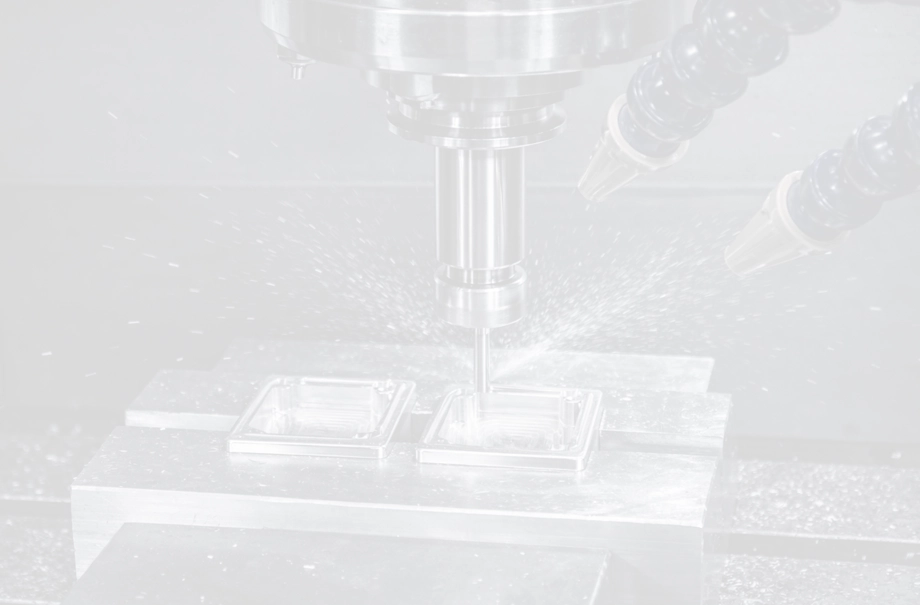
 CNC machined parts.webp)